
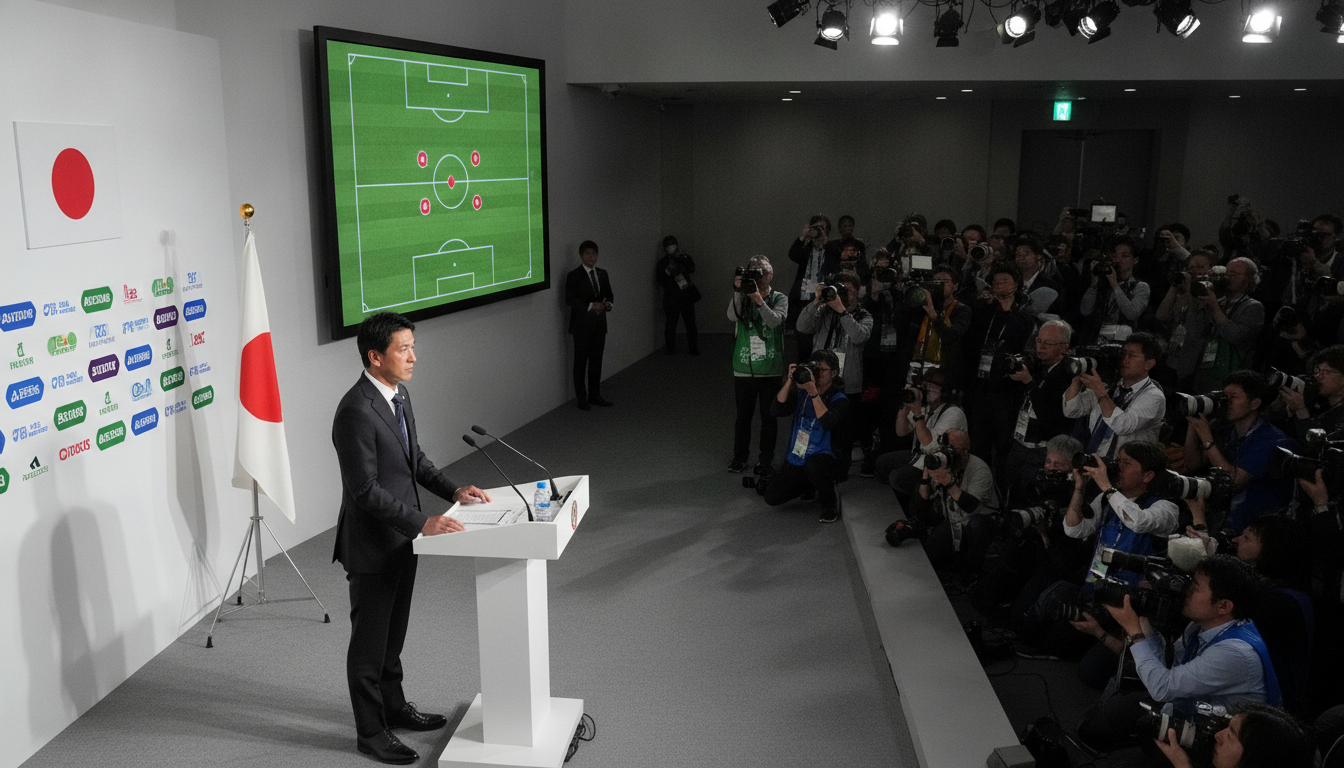
Japan vs Tunisia: Japan makes four changes, including captain Itakura and Junya Ito, ahead of crucial World Cup group match
Japan vs Tunisia: Japan, ranked 18th, faces 45th-ranked Tunisia at 1:00 p.m. JST in their World Cup group match; NHK will broadcast live on BS this afternoon.
Japan heads into the second match of its World Cup group stage against Tunisia with clear pressure to secure a win in the Japan vs Tunisia fixture. The national team, ranked 18th in the world, will kick off at 1:00 p.m. JST after a 1-1 draw with the Netherlands in their opening game. Coach made four changes to the starting XI, notably omitting captain Kō Itakura and winger Junya Itō from the lineup, as Japan seeks three points against the 45th-ranked North African side.
Starting XI Changes Signal Rotation
The change from the opening lineup was announced shortly before kickoff, with four players replaced from the team that faced the Netherlands. Among those left out are captain Kō Itakura and forward Junya Itō, signaling a significant rotation from the first match. The selection decision increases attention on how the replacements will adapt under World Cup pressure against Tunisia.
Supporters and analysts have highlighted the risk and opportunity in such rotation. Replacing the captain for a must-win game is an assertive call by the coaching staff, suggesting a tactical or fitness-based rationale behind the switch.
Context from Opening Match Draw
Japan’s draw with the Netherlands in the tournament opener left the team with a single point and the need to respond decisively in the second group game. The earlier match exposed both strengths and gaps in Japan’s play, prompting the coaching staff to adjust personnel. That draw means Japan cannot afford a slip against a lower-ranked opponent if it hopes to control its pathway from the group.
Tunisia’s result from the opening round also factors into the immediate group picture, raising the stakes for both teams. For Japan, the objective is straightforward: beat Tunisia to regain momentum and improve standing in the group.
Tactical Expectations After the Switches
With four starters replaced, Japan is expected to show tactical variation from the first match. The omission of Itakura could indicate a shift in defensive approach or a move to freshen the backline to counter Tunisia’s style. Likewise, Junya Itō’s absence from the starting XI may reflect a desire to alter attacking rhythm or exploit different matchups on the flanks.
These selections will test Japan’s depth and adaptability, especially in midfield transitions and set-piece situations where cohesion matters. How quickly the new starters establish communication and tempo will likely shape the first half and influence substitutions later in the game.
Tunisia’s Tactics and Ranking Considerations
Tunisia enters the fixture ranked 45th in the world and will approach the match with confidence as the underdog. Lower ranking does not eliminate strategic threats; Tunisia typically relies on organized defense and quick counters to unsettle technically superior opponents. Japan must guard against complacency and prepare for a disciplined North African side that can capitalize on turnovers.
The ranking gap places Japan as favorite on paper, but World Cup history often rewards teams that execute a clear game plan and maintain mental focus. Tunisia’s capacity to frustrate opponents makes them a dangerous opponent in a single-match group context.
Broadcast, Timing and Fan Access
The match will be televised domestically on NHK’s BS channel, allowing Japanese viewers nationwide to follow the action live. Kickoff is scheduled for 1:00 p.m. JST, and Japanese supporters are expected to tune in en masse to watch how the rotated squad performs. Broadcast coverage will include pre-match analysis and post-match reaction given the importance of the result for Japan’s tournament trajectory.
Public viewing events and fan hubs are likely to host screenings, and interest will spike around the team’s lineup decisions and in-game management. Media coverage leading up to kickoff emphasized the selection changes and what they mean for Japan’s strategy against Tunisia.
Group Standings and Qualification Ramifications
A victory against Tunisia would place Japan in a stronger position to advance from the group, reducing pressure in the final group game. Conversely, a draw or loss would leave Japan in a precarious spot and make qualification dependent on other results and goal difference. The coaching staff’s decision to rotate the lineup is therefore a calculated gamble with direct implications for the group table.
Beyond immediate results, how Japan manages player workload and injuries across the group stage will matter for the latter stages of the tournament. The team’s ability to secure three points while keeping the squad balanced will be judged closely by supporters and analysts alike.
Japan’s performance in the Japan vs Tunisia match will be scrutinized not only for the final score but for the coherence of the rotated side and its readiness to respond under pressure. The omission of the captain and key starters adds an extra layer of narrative to a game that carries clear qualification stakes.
The match’s outcome will shape Japan’s path through the group stage and influence tactical choices in the remaining fixtures, making today’s result a defining moment in the national team’s World Cup campaign.

