
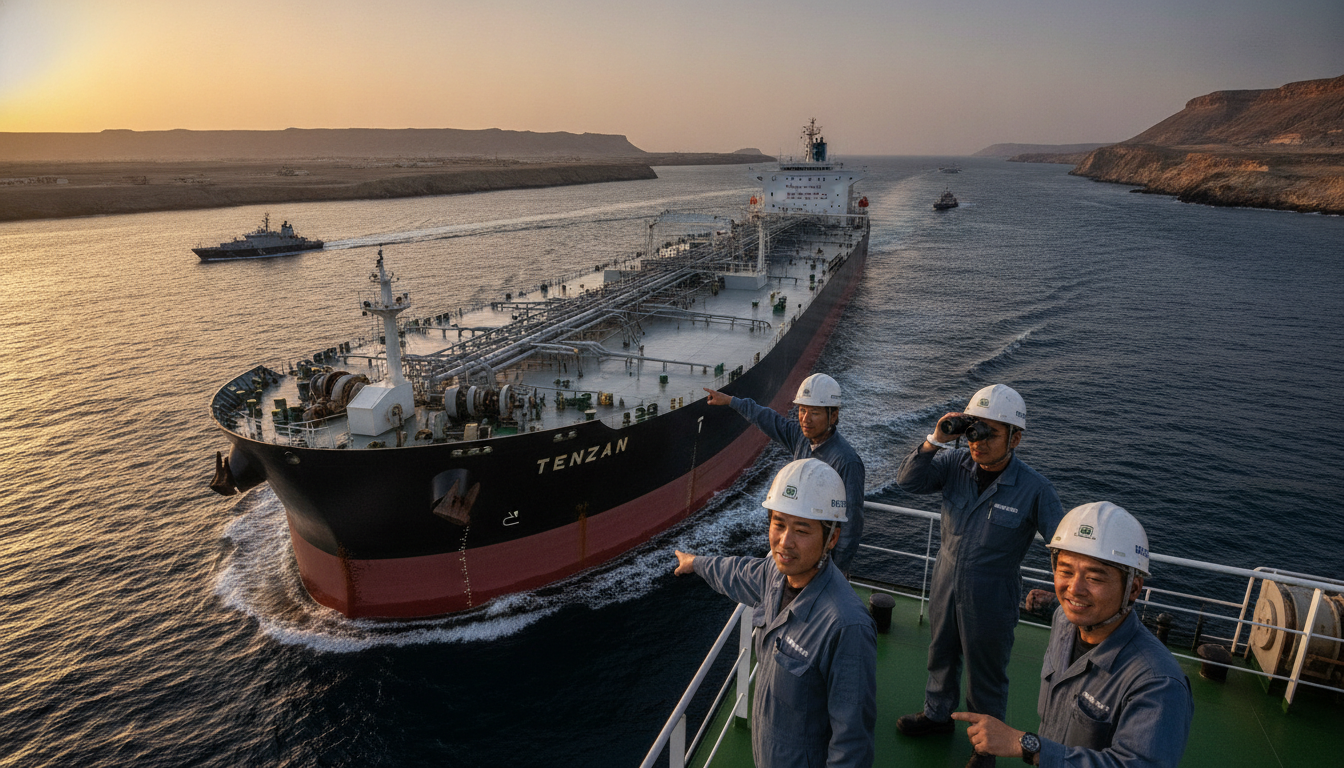
Strait of Hormuz Transit Marks Evacuation of All Japan-Crewed Vessels from Persian Gulf
Japan reports a tanker with three Japanese crew has transited the Strait of Hormuz, completing evacuation of Japan-crewed vessels from the Persian Gulf.
Japanese-crewed Tanker Passes Through Strait of Hormuz
The Foreign Ministry announced on June 19 that one ship carrying three Japanese crew members has successfully passed through the Strait of Hormuz and is en route to Japan. The ministry said the transit removed the last vessel with Japanese crew from waters inside the Persian Gulf.
Officials described the move as the culmination of coordination efforts to secure safe passage for Japanese mariners amid heightened regional tensions. The government emphasized the transit was carried out without incident and that the crew remain under normal maritime conditions.
Foreign Ministry Confirms Evacuation of Japanese Crews
At a press briefing on June 19, Foreign Minister Toshimitsu Motegi confirmed that, with the recent transit, no Japanese-crewed vessels remain inside the Persian Gulf. Motegi said Tokyo had engaged in “various adjustments” with Iranian authorities to facilitate the passage.
The ministry stated the decision to move crewmembers stemmed from a goal of prioritizing the safety of Japanese nationals and maintaining uninterrupted energy shipments. Officials declined to provide specific operational details but reiterated that the government would continue to monitor maritime security in the region.
Shipping Company Identifies Vessel as TENZAN
Japan’s major shipping firm Nippon Yusen Kabushiki Kaisha (NYK) identified the vessel involved as a related crude oil tanker named TENZAN. NYK said the ship and its three Japanese crewmembers had completed transit through the strait and were heading toward Japanese waters.
The company described the movement as part of regular operational measures and confirmed the tanker was operating under its associated network of vessels. NYK added it would continue to coordinate with relevant authorities to ensure crew welfare and the safe conduct of shipping operations.
Scope of Japan-Linked Shipping in the Persian Gulf
Despite the departure of Japanese-crewed ships, Tokyo acknowledges there are still vessels with connections to Japan—through ownership, charter, or flag—remaining in the Persian Gulf. The Foreign Ministry reported that 37 such ships continue to be present in the area, though they do not carry Japanese crew members.
Officials noted that many of those vessels operate under diverse flags and management structures, complicating any unilateral action by Tokyo. The government said it is maintaining contact with shipowners, insurers and international partners to assess risks and advise on navigational decisions.
Diplomatic Coordination with Iran and International Partners
Motegi told reporters that the recent transit was the result of diplomatic engagement with Iran alongside consultations with other countries and maritime stakeholders. The Foreign Ministry described these contacts as aimed at ensuring “freedom and safety of navigation” and enabling ships to pass the Strait of Hormuz as soon as possible.
Tokyo also said it will continue to pursue “all diplomatic efforts” to reopen normal commercial transit and reduce the maritime risks affecting energy and trade flows. The government is working with allied nations and regional actors to gather assurances and develop contingency options should the security environment deteriorate.
Implications for Energy Supply and Maritime Routes
Japan imports a significant portion of its crude oil through routes that include the Strait of Hormuz, making stable access to the waterway a strategic priority. Authorities indicated that ensuring the safety of shipping lanes is essential for energy security and for avoiding sudden disruptions in fuel supply and costs.
Shipping sources say companies are weighing rerouting options and insurance considerations while monitoring diplomatic developments. For now, the transit of the Japan-crewed tanker eases immediate concerns about Japanese nationals, but broader commercial traffic and regional stability remain contingent on political and security dynamics.
This completed transit marks a temporary step toward restoring normal maritime operations for Japan-linked vessels, but Tokyo warned that the situation will require sustained diplomatic engagement and vigilance. The government said it will keep coordinating with shipowners and international partners to support safe navigation and protect Japanese seafarers.

