
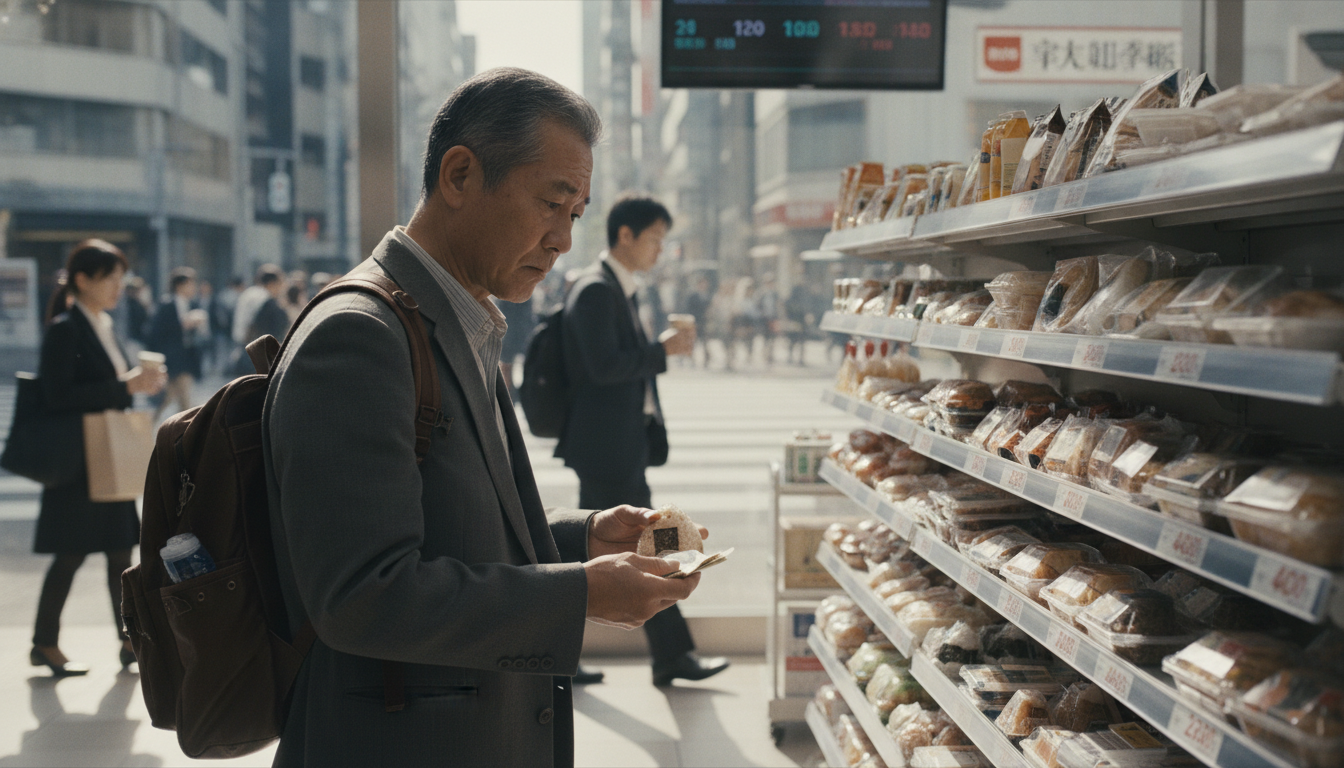
Minimum wage rises but buying power slips: Osaka breakfast test shows erosion of hourly wage value
Minimum wage talks have resumed as policymakers confront persistent price rises, and a simple breakfast test shows that minimum wage buying power has slipped despite nominal increases. The minimum wage debate centers on whether pay rises are keeping pace with consumer prices, a gap highlighted by data comparing 2020 and 2025 in Osaka. Labor groups are urging larger hikes while authorities weigh regional conditions and inflationary pressures.
Minimum wage negotiations reopen amid continuing inflation
Discussions on raising the minimum wage have begun again this year, following a wave of record hikes across Japan last year. The talks typically involve representatives of business federations and labor unions and use guidance from the Ministry of Health, Labour and Welfare’s advisory council. Policymakers must now judge whether recent nominal increases offset sustained cost increases for households.
Unions and some economists argue that one-off nominal rises are insufficient when prices for everyday items keep climbing. Employers and industry groups caution against wage-setting that could further fuel inflation or pressure small businesses. The debate will shape regional wage decisions that each prefecture ultimately implements.
How regional minimum wages are set
Japan’s minimum wage is determined annually through a consultative process that considers economic conditions and regional differences. The national advisory council issues recommended figures by area, which prefectural panels then use to set the actual hourly amounts. This multi-step process aims to balance fairness for workers with competitiveness for local businesses.
Factors considered include corporate earnings, employment trends, and consumer price movements. Prefectures with higher living costs or stronger labor markets often set higher minimums than rural areas. The result is a patchwork of hourly rates across the country that reflect local economic realities.
Osaka comparison: 2020 to 2025 wage and price shifts
Osaka provides a clear example of both minimum wage gains and the competing effect of rising retail prices. The prefectural minimum wage rose from 964 yen per hour in fiscal 2020 to 1,177 yen in fiscal 2025, an increase of 22.1 percent. That 2025 rise represented one of the largest single-year jumps on record for the region.
To test the practical effect of these changes, analysts used official retail price statistics to estimate the cost of a single-portion “bread breakfast” — a meal composed of sliced bread, milk and an egg. Over the five-year span, the materials cost for that breakfast rose by roughly 25 percent, outpacing the nominal wage increase in percentage terms.
Hourly purchasing power measured in breakfasts
When expressed as the number of simple breakfasts purchasable with one hour of minimum-wage pay, the gain in wage levels did not translate into greater food affordability. In Osaka, the hourly minimum wage would have bought about 10.1 servings of the bread breakfast in 2020. By 2025, that purchasing power had declined to approximately 9.8 servings per hour.
The decline is small in absolute terms but symbolic of a broader trend: nominal hourly earnings climbed, yet everyday food costs rose faster, cutting into real wages. A comparable calculation for a traditional breakfast of rice topped with raw egg and a bowl of miso soup produced a larger fall in meals per hour, underscoring the effect across different menus.
Implications for workers and policy choices
For low-wage workers, even marginal reductions in purchasing power can affect household budgets and consumption choices. Food is a basic necessity, and shrinking real wages influence living standards and discretionary spending, particularly for part-time and non-regular employees. The mismatch between nominal wage gains and price inflation complicates efforts to boost domestic demand through higher pay.
Policy options under consideration range from more aggressive minimum wage targets to complementary measures such as targeted subsidies, tax relief, or support for small businesses to absorb labor-cost increases. Each option carries trade-offs: stronger wage floors can aid workers but may increase costs for employers already facing higher input prices.
Labor unions and employers set divergent priorities
Labor organizations are calling for further substantial increases to the minimum wage, arguing that the state must protect low-income households from continued erosion of living standards. Their proposals emphasize restoring and expanding real incomes to sustain consumption and reduce inequality. Unions also point to regional disparities and the need for a nationwide conversation about living wages.
Business groups, by contrast, warn that steep mandated hikes could force firms to cut hours, automate, or pass costs onto consumers, potentially accelerating inflation. Smaller employers say they require phased adjustments and targeted relief to manage payroll pressures. The coming negotiation rounds will test whether a compromise can be found that preserves both livelihoods and business viability.
There is no single metric that fully captures how wage policy and inflation interact, but simple snapshots such as the breakfast test illustrate concrete effects on daily life. As prefectures move to announce their 2026 minimum wage decisions, observers will watch whether authorities prioritize larger nominal increases, targeted support measures, or a mix of policies to protect purchasing power and economic stability.

