
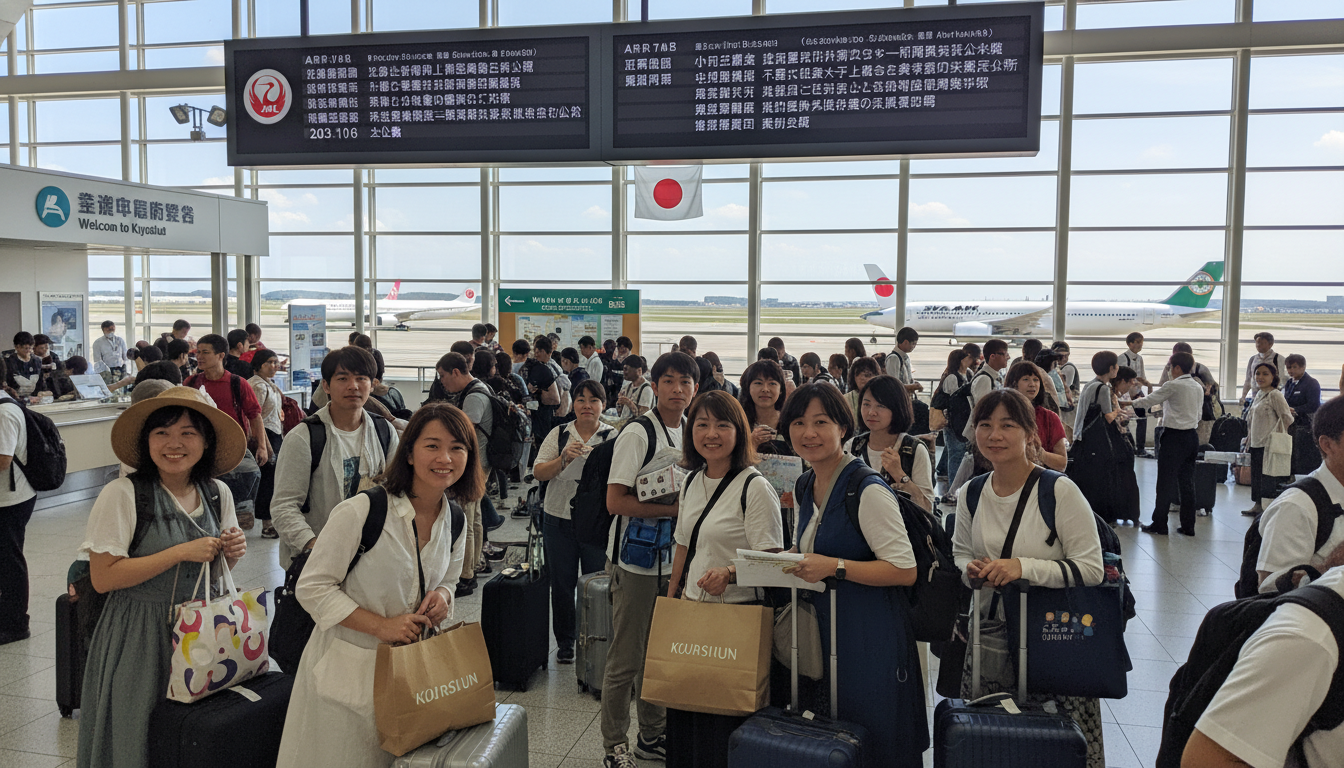
Taiwan Tourists to Kyushu Surge as Weak Yen Makes Island More Affordable
Weak yen and expanded air links have driven a roughly 50% jump in Taiwan tourists to Kyushu, boosting hotel bookings and spending in Fukuoka and Kumamoto prefectures.
Japan’s southwestern island of Kyushu has seen a marked rise in visitors from Taiwan as a softer yen and growing flight capacity make short-haul trips significantly cheaper. Recent data indicate arrivals from Taiwan have surged by about 50%, prompting higher occupancy at hotels and renewed demand for regional attractions. Local officials and businesses say Taiwanese travelers are increasingly treating Kyushu like an affordable, nearby destination rather than a longer overseas trip. The trend is concentrated in Fukuoka and Kumamoto prefectures but is rippling across the wider island economy.
50% Rise in Taiwan Visitors to Kyushu
Recent statistics show visitors from Taiwan to Kyushu climbed roughly 50% compared with the same period in the prior year. This uptick is reflected in arrival figures, hotel reservations, and package bookings centered on Fukuoka and Kumamoto.
Industry observers say the increase is unusually concentrated and rapid, changing demand patterns across the region and prompting immediate operational adjustments by travel businesses.
Weak Yen and Cost Advantage for Short Trips
Travel agents and tourism experts attribute much of the surge to the weak yen, which has improved purchasing power for Taiwanese travelers and reduced the perceived cost of dining, shopping and accommodation. Short flight times and lower on-the-ground expenses have combined to position Kyushu as a cost-effective option.
Visitors interviewed by local outlets describe Kyushu as offering a mix of cultural sites, hot springs and food at prices that compare favorably with domestic alternatives in Taiwan. The currency effect has encouraged repeat travel and longer stays for many visitors.
Airlines and Booking Channels Expand Capacity
Airlines operating routes between Taiwan and Kyushu have increased seat capacity on popular corridors and adjusted schedules to capture rising demand. Low-cost carriers and regional operators have added frequency on routes to Fukuoka, while charter and seasonal services have targeted festival and holiday periods.
Online travel platforms report stronger search and booking activity for Kyushu itineraries originating in Taiwan, with travel packages bundling flights, rail passes and hotel stays selling out faster than in previous seasons.
Fukuoka and Kumamoto Businesses See Immediate Gains
Hospitality providers in Fukuoka and Kumamoto report higher occupancy rates and increased weekday bookings as Taiwanese tourism spreads beyond traditional weekend peaks. Ryokan, city hotels and guesthouses serving inbound visitors have revised staffing and inventory to meet demand.
Retailers, restaurants and local tour operators say spending per visitor has risen, particularly on food, local crafts and guided experiences. Markets and food streets in urban centers are experiencing busier service hours and a wider presence of Mandarin-language signage and menus.
Local Governments and Tourism Boards Respond
Prefectural tourism boards have stepped up visitor information services and promoted bilingual support to accommodate Taiwanese guests. Officials are coordinating with transport operators and business associations to smooth visitor flows and provide culturally relevant information.
Authorities are also monitoring the sustainability of the surge, noting the importance of spreading visitors across seasons and destinations to avoid overcrowding in key spots while maximizing economic benefits for smaller towns.
Implications for Kyushu’s Recovery and Strategy
The arrival boom from Taiwan underscores Kyushu’s potential to tap nearby markets for tourism recovery as global travel patterns shift. Regional planners view the trend as an opportunity to develop diversified offers, from culinary tours to outdoor and wellness experiences.
Stakeholders caution that currency movements and airline capacity remain variable factors, so long-term growth will depend on continued connectivity, targeted marketing and investments in visitor infrastructure.
Kyushu’s renewed appeal to Taiwanese travelers is providing an immediate financial lift to local economies while reshaping how the island positions itself in the broader East Asian travel market. Continued attention to service capacity, sustainable visitor distribution and collaboration between governments and businesses will be critical to maintaining momentum.

