
LDP Proposes Concentrated Debate on Emergency Clause to Accelerate Constitutional Amendment
LDP proposes concentrated Diet debates on an emergency clause to speed constitutional amendment; coalition partners back it while critics warn of risks to checks.
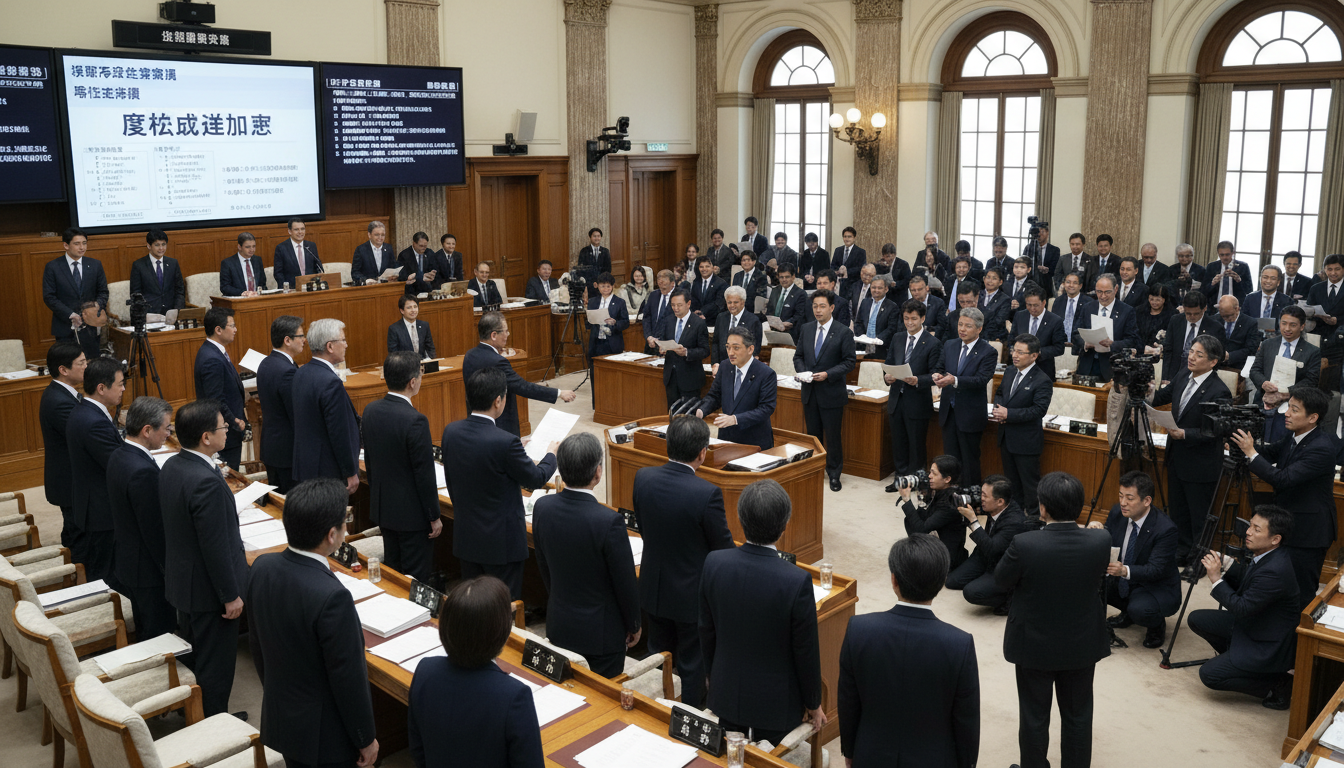
Japan’s ruling Liberal Democratic Party on April 16, 2026, moved to fast-track constitutional amendment talks by proposing concentrated deliberations in the House of Representatives’ constitutional review committee on creation of an “emergency clause.” The proposal, put forward at a plenary session of the committee, aims to focus debate on granting the government special powers during large-scale disasters and crises. The term “emergency clause” appears set to be the focal point in ongoing efforts led by Prime Minister Sanae Takaichi to advance an amendment resolution.
LDP Call for Intensive Committee Deliberations
The LDP argued the constitutional review panel should set aside sustained time to examine emergency powers, saying concentrated debate would produce clearer consensus among lawmakers. Senior LDP members, including Yoshitaka Shindo, told the committee they believed discussions on the clause had reached broad alignment across multiple parties. The LDP framed the move as necessary groundwork for any future amendment proposal to be presented with a high degree of preparation.
The party also emphasized procedural aims, seeking to narrow the range of technical and legal questions before a formal amendment resolution is considered by the Diet. LDP proponents signaled they want to move from general discussion to detailed consideration of mechanisms and safeguards. That approach reflects a strategy to present a coherent package to the public ahead of any national referendum.
Coalition and Some Opposition Show Support
Prime Minister Takaichi’s coalition partner, Nippon Ishin (Japan Innovation Party), immediately welcomed the proposal, with party figures urging lawmakers to “step on the accelerator” for amendment deliberations. The nod from Nippon Ishin reinforces the governing bloc’s capacity to push a concentrated schedule in committee. The Democratic Party for the People (Kokumin Minshu) also indicated elements of support, with its leaders saying the time has come to press ahead, though their backing is not unconditional.
Despite pockets of agreement, the move did not receive unanimous endorsement across the opposition spectrum. Several opposition parties and legal scholars warned that accelerated timetables risk compressing debate on constitutional safeguards. Those voices urged careful consideration of institutional checks and detailed public explanation before any amendment text is finalized.
Provisions Under Consideration and Draft Language
Debate has centered on two practical aims: preserving Diet functions during a major catastrophe and equipping the cabinet with authorities for emergency governance. Earlier LDP drafts from 2012 proposed powers allowing the cabinet to issue emergency ordinances when the prime minister declared an emergency, which critics said could sidestep ordinary parliamentary oversight. Proponents now stress the need to spell out limits, durations, and judicial review mechanisms so any new clause would be narrowly tailored to genuine crises.
Another element under review is contingency planning for cases when the House of Representatives cannot convene or its membership is disrupted by disaster, including provisions that could extend terms or otherwise maintain legislative continuity. LDP materials from 2018 highlighted extension of lower-house terms as a contingency; current discussions aim to refine such measures to ensure both continuity and democratic legitimacy. Committee members said they intend to parse such technical options during the proposed concentrated sessions.
Historical Comparisons and Constitutional Safeguards Debated
Critics repeatedly invoked historical caution, likening broad emergency powers to provisions that in other countries paved the way to authoritarian rule, and they called for robust checks on executive authority. References to lessons from the Weimar Republic have been cited in public debate as a warning against vaguely defined emergency grants. Legal experts invited to committee sessions urged that any emergency clause include explicit sunset clauses, strict parliamentary oversight, and clear judicial recourse to guard against abuse.
Proponents counter that modern legal design can incorporate safeguards unavailable in earlier eras and that constitutional clarity is preferable to the current legal uncertainties that arise during disasters. They argue that an explicit constitutional framework could prevent ad hoc, potentially arbitrary measures and strengthen public confidence in crisis governance. The committee faces the task of balancing those competing considerations in concrete wording.
Parliamentary Timeline and the Path Forward
The LDP’s call for concentrated deliberations was made in the context of Prime Minister Takaichi’s public statement on April 12 expressing a desire to present progress by next year’s party convention. Committee members said the concentrated sessions would be held sequentially, with emergency clause discussions followed by focused debate on Article 9, which addresses renunciation of war. Lawmakers indicated they would schedule hearings, expert testimony, and redrafting sessions as part of a staged plan to produce a coherent amendment proposal.
Any eventual amendment requires a two-thirds Diet majority and a national referendum, meaning political consensus and public persuasion remain essential. The committee’s immediate objective is to narrow technical disputes and identify points where cross-party compromise may be possible. Lawmakers from both governing and opposition camps said the concentrated approach is intended to surface those compromise options more quickly.
Looking ahead, the constitutional review panel must reconcile divergent views on executive power, parliamentary oversight and the safeguards necessary in a democratic polity. The concentrated debates now proposed will test whether Japan’s lawmakers can forge common ground on a sensitive constitutional reform that touches on the balance between effective crisis response and protection of civil liberties.

