
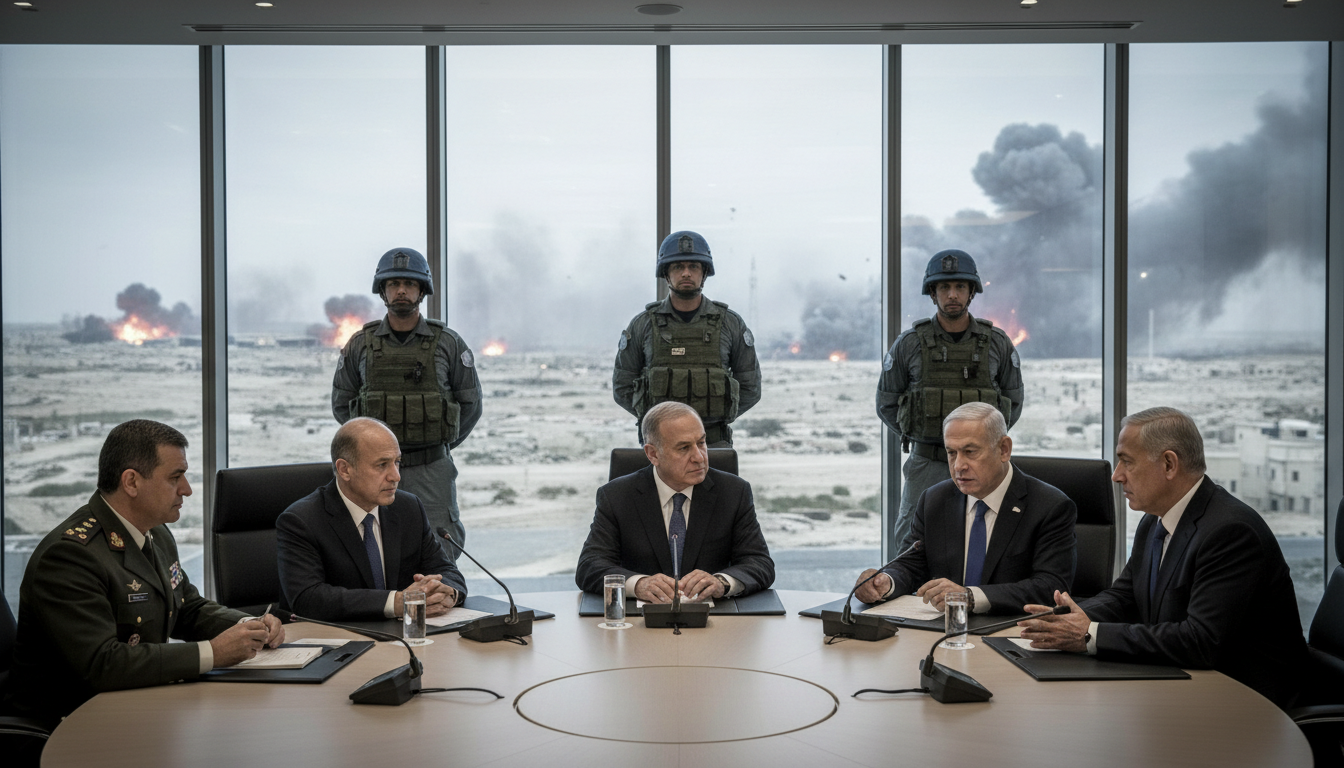
Lebanon-Israel talks in Washington proceed amid heavy Israeli strikes on Beirut
Lebanon-Israel talks open in Washington as Beirut faces heavy Israeli strikes; new Lebanese leadership seeks direct negotiations amid civilian casualties.
Opening summary of talks and violence
Lebanon-Israel talks resumed in Washington this week, marking the first direct high-level meetings between officials in more than three decades. The sessions took place as Israeli military operations continued in Lebanon, with Lebanese officials and rights groups reporting significant civilian casualties in recent weeks. The new Lebanese leadership has repeatedly sought direct negotiations with Israel, a shift that has drawn both domestic criticism and international attention.
Details of the Washington meetings
Lebanese and Israeli envoys held private discussions in Washington that officials described as exploratory and focused on de-escalation and security arrangements. Sources close to the talks said the meetings followed repeated overtures from Beirut and pressure from external partners to open a direct channel. Israeli representatives have met Lebanese counterparts before only rarely since the late 1980s, making the Washington sessions notable for their timing as hostilities persist.
Civilian toll and ongoing strikes
Lebanese authorities and rights monitors report that recent Israeli strikes have caused extensive damage and a rising civilian death toll in Beirut and other areas. Officials said hundreds of civilians were killed in the weeks leading up to the talks, and thousands more were displaced. The continued fighting has compounded humanitarian needs, with hospitals, shelters and essential services under strain in several districts.
Lebanese leadership’s diplomatic pivot
Since taking office in early 2025, Lebanon’s president and prime minister have signalled a willingness to resume direct engagement with Israel, framing talks as a means to secure a lasting ceasefire and stability. The move represents a departure from decades in which Lebanese governments publicly eschewed normalization with Israel. Supporters in Beirut argue direct diplomacy could reduce cross-border violence, while opponents warn it may undermine longstanding resistance narratives and accountability for attacks against civilians.
Historical context of Lebanon–Israel relations
Experts and historians note that ties and contacts between Lebanese political figures and Zionist organizations predate the arrival of Palestinian armed groups and the later rise of Hezbollah. Throughout the 20th century, a variety of Lebanese actors engaged with Israeli counterparts for political, economic or strategic reasons. Those historical precedents are being invoked in domestic debates today as critics question the motives and potential consequences of official outreach.
Domestic reaction and political fault lines
The decision to pursue talks has deepened divisions inside Lebanon, where public opinion remains polarized over relations with Israel and the role of armed groups such as Hezbollah. Opposition figures and community leaders have criticised the government for meeting with Israeli officials while hostilities continue, saying talks should be conditional on a comprehensive and verifiable ceasefire. Proponents counter that behind-the-scenes diplomacy is the only realistic path to immediate de-escalation and humanitarian relief.
Regional implications and resistance concerns
Regional actors, including the United States and Gulf states, have encouraged direct engagement as a way to limit wider escalation. However, Lebanese resistance groups have framed any normalization efforts as an attempt to neutralise armed resistance and curtail their political influence. Analysts warn that without parallel measures to halt military operations and address root grievances, talks risk becoming a tactical dialogue that does not stop fighting on the ground.
The Washington meetings mark a significant diplomatic moment but fall short of resolving the immediate humanitarian crisis in Lebanon, where civilian suffering continues even as negotiators pursue a diplomatic path.

