
Long Thanh International Airport rollout delayed as ACV replaces chairman amid probe and army deployment
Long Thanh International Airport faces fresh delays after the Airports Corporation of Vietnam replaced its chairman following an arrest, as worker shortages, a graft probe and monsoon impacts threaten the planned 2026 rollout.
ACV replaces chairman after arrest
The Airports Corporation of Vietnam (ACV) has moved to replace its chairman after authorities arrested an executive linked to the Long Thanh International Airport project. The personnel change comes as the sprawling hub, intended to relieve pressure on Ho Chi Minh City’s air network, approaches a planned full rollout by the end of 2026.
ACV officials said the replacement is intended to stabilise management while legal investigations proceed. Company statements emphasised continuity of work, but acknowledged the leadership shift occurred at a delicate moment for the programme.
Army deployed to support construction and security
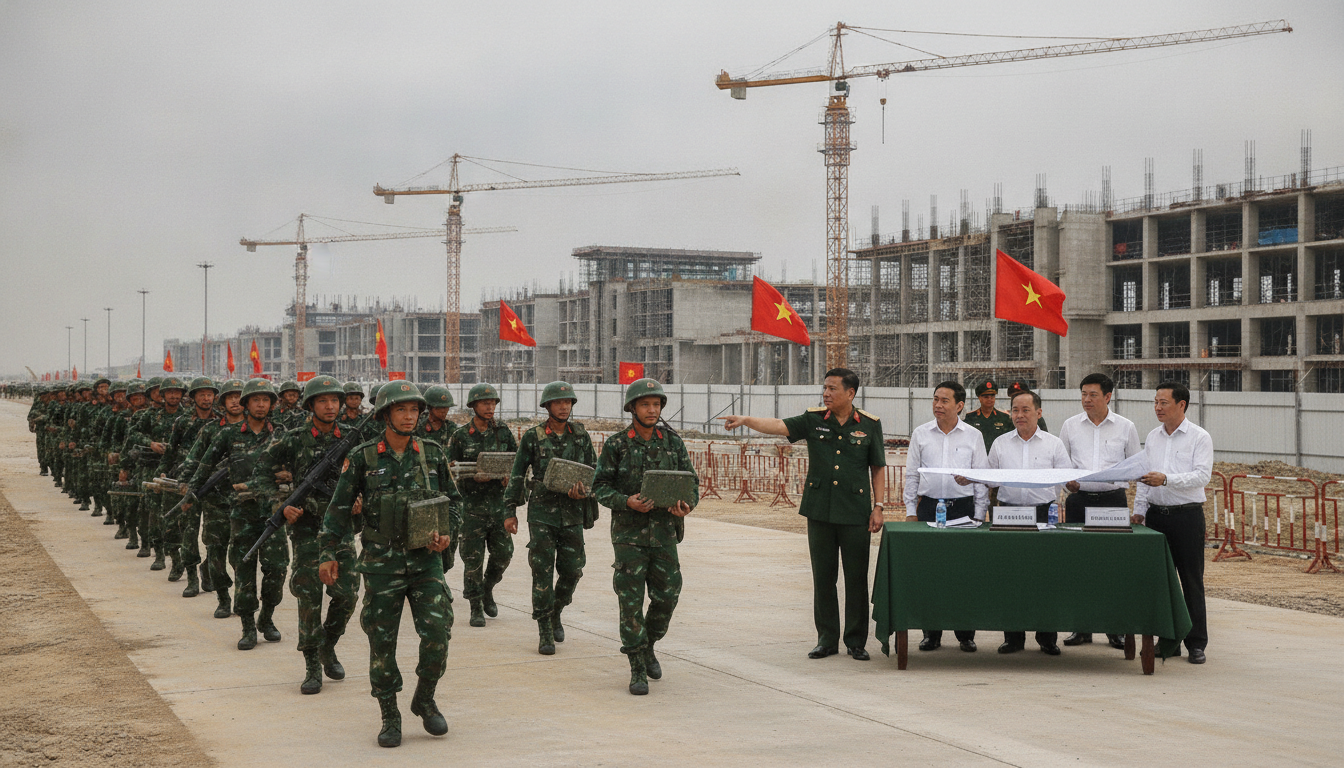
Vietnamese military units have been mobilised to support activities at the Long Thanh site, blending logistical assistance with heightened security responsibilities. The deployment follows concerns that labour shortages and the ongoing graft probe could slow progress toward the airport’s scheduled commissioning.
Military involvement is being framed by authorities as a temporary reinforcment to keep construction and essential operations on track. Observers note that the army’s role may help bridge gaps in manpower and transportation capacity during the region’s difficult monsoon months.
Worker shortages compound schedule risks
Contractors and local officials report persistent shortages of skilled labour and construction crew at the Long Thanh site, straining the remaining timetable for terminal completion. Recruitment shortfalls have been aggravated by competitive private-sector projects and rising demand for skilled labour across Vietnam’s construction sector.
Project managers said gaps in specialised trades such as electrical, HVAC and runway pavement work are creating bottlenecks on critical-path tasks. Short-term solutions include expanded shift patterns, relocation of crews from other state projects, and increased reliance on military support to meet deadlines.
Monsoon season adds logistical obstacles
Heavy rains and flooding associated with the monsoon season have further complicated progress on the coastal construction zone roughly 40 kilometres east of Ho Chi Minh City. Contractors report weather-related stoppages, ground instability in newly reclaimed areas, and repeated delays to critical deliveries of concrete and heavy equipment.
Monsoon disruptions are typical in southern Vietnam but are especially disruptive now because they coincide with a period when major systems installation and paving are meant to be completed. Engineers say accelerated drainage work and protective staging have been deployed, but weather remains an unpredictable variable ahead of the planned year-end milestone.
Graft probe raises oversight and contract questions
The arrest of a senior official has intensified scrutiny of procurement and contracting practices tied to Long Thanh, prompting regulatory agencies to widen their audit of project agreements. Investigators are examining procurement records and bid awards, according to statements from relevant agencies, with potential implications for several contractors and subcontractors.
Legal uncertainty has led some international suppliers to reassess delivery schedules and contract terms, increasing pressure on ACV to provide clear signals about governance and risk mitigation. Analysts caution that extended probes could slow payments and trigger renegotiations that ripple through the construction timeline.
Economic and aviation impacts for Ho Chi Minh City
Long Thanh is central to Vietnam’s plan to expand air capacity and develop a major regional logistics hub serving southern Vietnam. Delay to the full 2026 rollout risks squeezing capacity at Tan Son Nhat International Airport, complicating airline schedules, and constraining cargo throughput vital to export-oriented manufacturing in the region.
Local businesses and the tourism sector could face persistent capacity constraints if the new gateway’s opening is deferred. Airlines have already been making contingency plans, and cargo operators are evaluating alternative routes and modal shifts to avoid bottlenecks during the transition period.
The replacement of the ACV chairman and the deployment of military personnel reflect the Vietnamese government’s determination to keep the project moving despite mounting operational and legal challenges. However, the combination of workforce shortfalls, seasonal weather, and investigatory uncertainty means the likelihood of a smooth, on-time handover by the end of 2026 has diminished.
Authorities stress that construction of the first terminal continues, and that efforts to maintain momentum are in place. Yet industry observers say meaningful progress will depend on quickly resolving procurement inquiries, securing stable labour sources, and navigating the remainder of the monsoon season without further major interruptions.
The coming months will be pivotal for Long Thanh’s trajectory and for how Vietnam balances large-scale infrastructure ambition with governance and project-management realities.

