
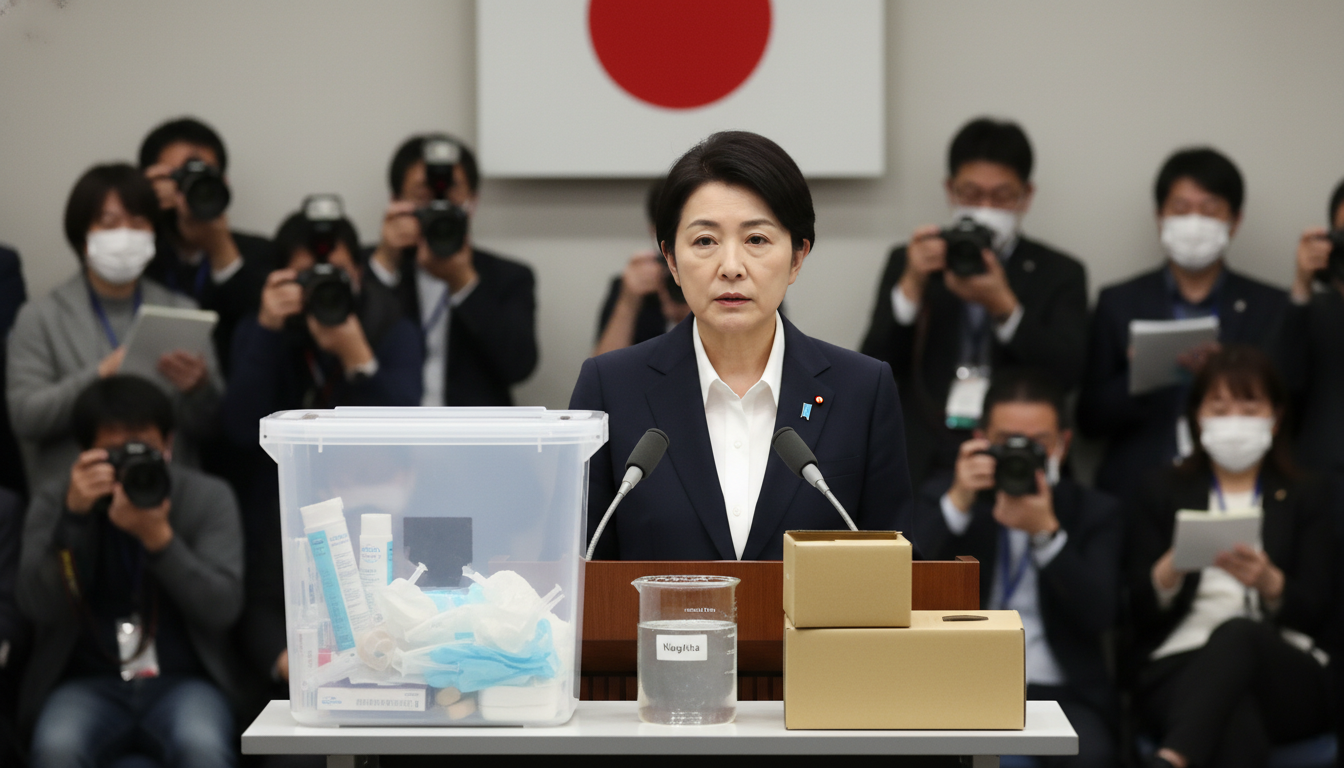
Japan confronts naphtha supply risks after Middle East strikes, raising alarm over medical disposables
Japan moves to diversify naphtha supply chains after Feb. 28 strikes on Iran disrupted petrochemical feedstocks used for medical disposables like catheters and tubing.
TOKYO — Prime Minister Sanae Takaichi has sought to calm rising concern over Japan’s naphtha supply after U.S.-Israeli strikes on Iran on Feb. 28 disrupted flows of the petrochemical feedstock that underpins production of plastics and critical medical disposables. The government is accelerating efforts to secure alternative sources and to shield hospitals and manufacturers from shortages of items such as gloves, catheters and blood tubing. Industry executives and health providers warn the situation could strain procurement if disruptions persist.
Supply disruption traced to Feb. 28 strikes
Japan’s dependence on Middle East-derived crude and refined products makes naphtha availability sensitive to regional conflict, officials and industry representatives say. The strikes in late February reduced regional exports and raised uncertainty for downstream plants that convert naphtha into polymers and molded medical components. That uncertainty has been most acute for products where single-use integrity is essential, including devices used in surgeries and intensive care.
Market observers note that naphtha is both a refinery product and a chemical feedstock, so its supply chain spans crude oil shipments, refinery output and petrochemical processing. Any interruption at one node can quickly ripple into higher costs and longer lead times for converters and manufacturers. For Japan’s tightly scheduled procurement systems, even short-term volatility can complicate inventory management across hospitals and factories.
Hospitals warn of pressure on medical disposables
Clinicians and hospital procurement officers have flagged growing worries about the availability and lead times for sterile tubing, catheters and other single-use items that rely on polymer feedstocks derived from naphtha. Several hospital systems report ordering earlier and increasing safety stock for critical disposables to hedge against potential shortages. Medical associations have urged authorities to monitor supply chains closely and to prioritize allocations where clinical need is greatest.
Manufacturers of medical devices stress that production cannot be turned on and off quickly because of regulatory validation and sterilization processes. Any sustained squeeze on raw materials could delay manufacturing and certification timelines, potentially forcing hospitals to alter procurement plans or reuse items in ways that require additional oversight. Health system planners say they are preparing contingency protocols while seeking clearer timelines from suppliers.
Tokyo seeks alternative naphtha sources
In response, the prime minister’s office has intensified diplomatic and commercial outreach to non-Middle East suppliers, along with steps to increase imports of refined feedstocks and finished polymers from Southeast Asia and other regions. Government briefings indicate Tokyo is pushing for diversified contracts, tapping strategic stockpiles where possible, and negotiating to reroute shipments to meet urgent industrial demand. The emphasis is on short-term relief from immediate bottlenecks and medium-term diversification to reduce future exposure.
Officials are also exploring incentives for domestic refineries and petrochemical complexes to boost output of naphtha-derived intermediates, where feasible. While ramping up local production faces technical and environmental constraints, policymakers see it as part of a broader resilience strategy. Industry groups are participating in coordination meetings to align supply priorities with health sector needs.
Industry response and stockpile measures
Major chemical and medical-supply companies have initiated measures to stretch existing inventories and to secure alternative polymer feedstocks such as ethylene derivatives, where product specifications allow. Some manufacturers report switching to different grades of plastic or to alternate suppliers on short notice, though such substitutions require testing and sometimes regulatory notification. Logistics firms are also adjusting shipping plans to prioritize deliveries for health care and critical manufacturing.
Private-sector contingency plans include extended production runs, reduced lead-time windows for key clients, and greater use of air freight for high-priority components despite higher costs. Trade associations are compiling real-time data on inventories and order backlogs to present to government task forces. These coordinated measures aim to blunt the immediate impact on hospitals and to prevent localized stockouts that would force clinical rationing.
Impact on petrochemical manufacturers and consumers
Petrochemical producers say the naphtha squeeze could translate into cost pressure for a range of finished goods beyond medical disposables, including packaging, consumer products and industrial components. Higher feedstock prices typically feed through to manufacturers and eventually to end consumers, with timing depending on contract structures and inventory depth. Retailers and downstream industries are watching for price adjustments that may affect margins and pricing strategies this year.
Smaller suppliers and contract manufacturers are particularly vulnerable because they often lack the bargaining power or storage capacity to secure preferential supplies during disruptions. Analysts warn that prolonged instability in naphtha markets could accelerate consolidation in parts of the supply chain as larger firms absorb smaller ones or expand captive sourcing to lock in feedstock access.
Outlook for naphtha supply and readiness
Industry and government officials present a cautious outlook: immediate disruptions are being managed through alternative sourcing and stockpile deployment, but the longer-term picture depends on developments in the Middle East and on global refinery scheduling. For the health sector, officials emphasize the need for sustained monitoring, coordinated procurement, and flexible manufacturing responses to prevent disruptions from affecting patient care. Takaichi’s administration has framed the response as both crisis management and a push toward greater supply-chain resilience.
As Japan moves to diversify import routes and encourage domestic adjustments, the balance will be between short-term mitigation and investments to reduce future exposure. Market players say clear communication between government, suppliers and hospitals will be critical to avoid panic buying and to ensure that scarce materials reach clinical settings where they are most needed.
Japan’s ability to weather potential naphtha shortages will hinge on the durability of alternative supply arrangements and on how quickly manufacturers can adapt production without compromising regulatory standards.

