
Nutifood to invest in U.S. manufacturing and use new nutritional patent to boost Southeast Asia exports
Nutifood will invest in U.S. manufacturing, expand farm capacity and commercialize a newly approved nutritional patent to boost exports to Southeast Asia.
Nutifood, the Vietnamese dairy and infant-formula maker, said on May 15, 2026 that it will invest in manufacturing capacity in the United States while expanding farm operations at home and commercializing a recently granted nutritional patent. The move is part of a broader strategy to scale production, secure raw-material supply and accelerate exports across Southeast Asia. Company officials described the combination of factory investment, farm expansion and patent protection as a coordinated push to compete with multinational formula brands.
U.S. factory investment announced in mid‑May
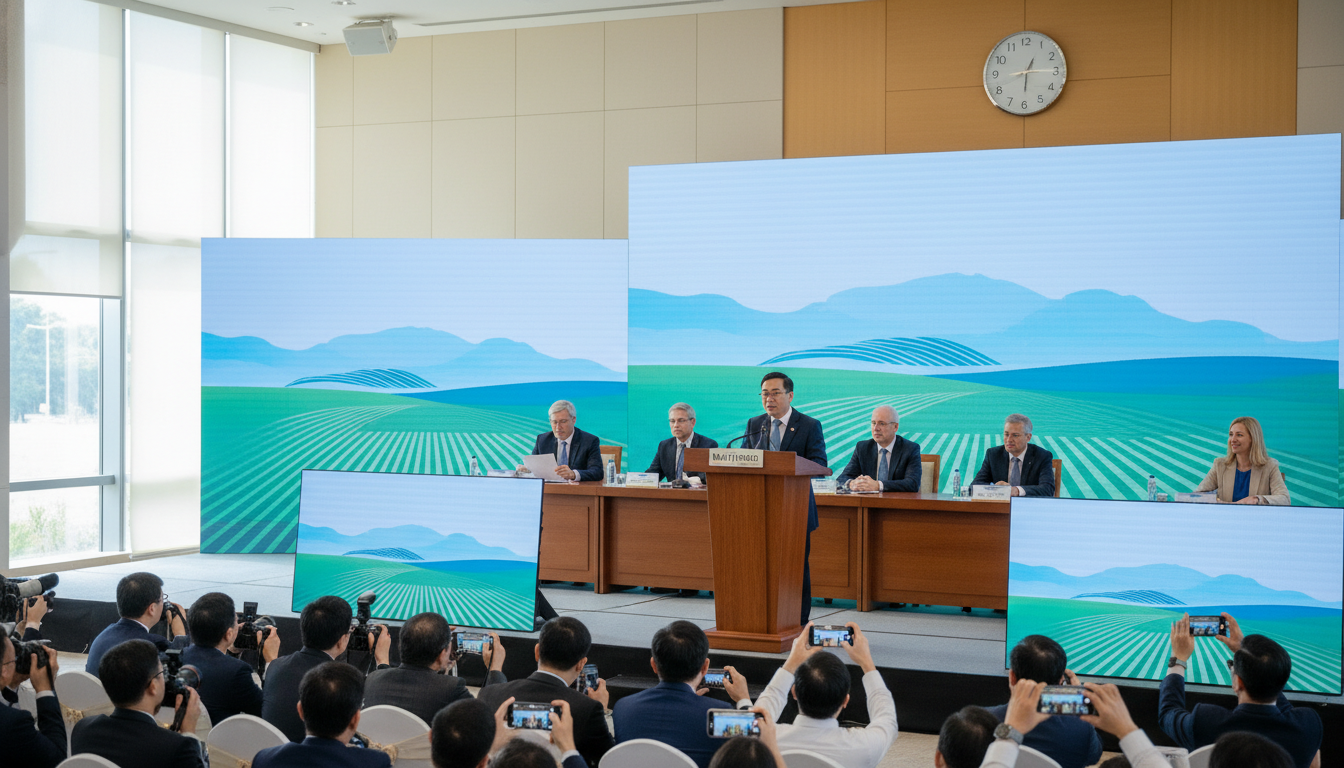
Nutifood announced the U.S. investment during a public address in Ho Chi Minh City on May 15, 2026.
The company said the funding will target manufacturing infrastructure intended to meet high regulatory standards and to serve as an export hub.
Executives framed the U.S. facility as a way to access advanced dairy processing technology and to position Nutifood for faster delivery into regional markets.
New nutritional patent provides commercial leverage
Nutifood secured a nutritional patent earlier this year that the company says covers a proprietary formulation or processing method.
The patent is described by company sources as rare for a domestically grown Vietnamese formula maker and is expected to underpin product differentiation in crowded markets.
Commercializing the patent will allow Nutifood to market specific formulations under intellectual‑property protection, potentially commanding higher margins and limiting immediate copycat competition.
Farm expansion to secure milk supply and quality
Alongside its overseas buildout, Nutifood plans to expand farm capacity in Vietnam to bolster raw‑milk supply and product traceability.
Company statements indicate the farm upgrade will focus on herd nutrition, cold‑chain logistics and on‑site testing to meet stricter export specifications.
By improving upstream control, Nutifood aims to reduce ingredient volatility and demonstrate provenance to regulators and consumers in target markets.
Export strategy targets Southeast Asia from a U.S. base
Nutifood’s strategy combines U.S. manufacturing with regional distribution to shorten delivery times to Southeast Asian markets.
Building in the United States could help the company meet regulatory requirements for particular export destinations while tapping into established logistics networks.
Officials presented the approach as a way to blend U.S. production standards with a brand narrative rooted in Vietnamese development and know‑how.
Regulatory context and rarity of approval
Company executives have emphasized that obtaining the nutritional patent was an uncommon achievement for a Vietnamese formula maker, signaling growing domestic R&D capability.
Industry observers note that patenting nutritional formulations can be technically complex and subject to differing rules across jurisdictions, making broad protections difficult to secure.
The combination of patent protection and foreign manufacturing is designed to reduce regulatory friction when entering tightly regulated infant‑nutrition and fortified‑food markets.
Market positioning and competitive dynamics
Nutifood faces established global competitors in the infant formula and nutritional beverages sector, but it has built a strong local brand presence in Vietnam.
The new investments aim to elevate Nutifood from a domestic leader to a regional contender by improving scale, protecting product innovations and assuring buyers of supply reliability.
Analysts say success will depend on efficient integration of the U.S. plant, quality control across the expanded farm network and the speed with which patented products reach retail channels.
The company’s plan represents a notable example of an emerging‑market food manufacturer leveraging intellectual property and foreign production to pursue regional growth.

