
Shimano Q’Auto Automatic Shifting Spreads in Europe as Cube Fits Kathmandu SLT
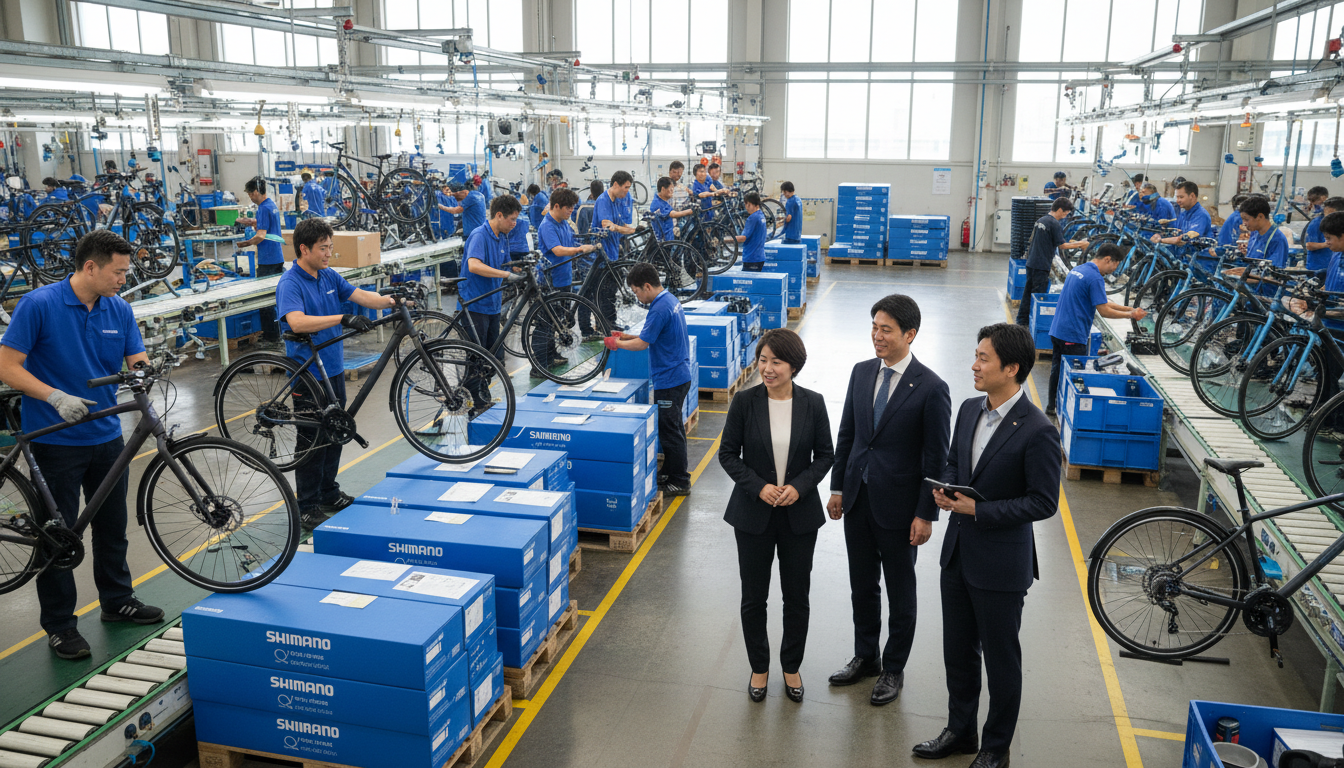
Shimano’s Q’Auto automatic shifting system is gaining traction across Europe as manufacturers adopt the battery-free technology, with German brand Cube equipping its flagship Kathmandu SLT with the system. The move signals a broader push by Shimano to bring adaptive, automatic gear shifting to mainstream touring and city bikes. (transitionvelo.com)
Shimano Q’Auto adoption rises as Cube fits Kathmandu SLT
Shimano confirmed the Q’Auto system—marketed as a no-charge, learning automatic shifter—has been selected for multiple 2026 model lines, including the Cube Kathmandu SLT. Cube’s product descriptions and European retailers list the Shimano CUES Q’Auto Di2 configuration on the SLT top-tier model year 2026. (transitionvelo.com)
The decision by Cube, a major German bicycle manufacturer, underscores demand in Europe’s large and diverse bike market for systems that simplify everyday riding. Retail listings and dealer spec sheets show the SLT is being promoted for commuting and long-distance touring with the automatic Di2 system as a headline feature. (idealo.de)
How Q’Auto functions without a dedicated battery
Shimano markets Q’Auto as an automatic shifting solution that does not require a separate rechargeable battery for the shifting logic, instead integrating with dynamo-equipped hubs and Shimano’s Di2 electronic derailleur technology. The company describes a processor that adapts to rider behavior to select optimal gears, reducing the need for manual inputs while preserving the ability to override automatic shifts. (bike.shimano.com)
Technical documents and Shimano materials note the system can operate with a hub dynamo unit specifically designed for the CUES AUTO SHIFT arrangement, which supplies electrical power for shifting functions. That architecture aims to lower user maintenance by eliminating routine charging while retaining electronic precision. (bike.shimano.com)
Manufacturers and models rolling out Q’Auto in 2025–2026
Since Shimano first publicised Q’Auto in 2025, several bicycle makers have announced models that include the system, both in Europe and Japan. Beyond Cube, smaller marques and some mainstream brands have incorporated Q’Auto into cross, touring and hybrid models for the 2026 season, sometimes positioning automatic shifting as a premium convenience feature. (prtimes.jp)
Product pages and dealer inventories across Germany list multiple Kathmandu variants and other models with CUES Q’Auto Di2 drivetrains, indicating the component has moved from initial launches into broader production runs for the current model year. Pricing and availability vary by market, but listings show the technology is present in both high-end and accessible touring models. (cube-store-goettingen.de)
Market implications for Europe’s bicycle industry
The spread of Q’Auto reflects a wider industry trend toward electronic assistance that lowers the barrier to cycling for commuters and leisure riders. Automatic shifting can simplify trips for mixed terrain and stop-start urban routes, potentially increasing appeal among older riders and newcomers to cycling. Analysts say such user-friendly features can shift purchasing decisions in crowded segments like city and trekking bikes. (shimano.com)
For dealers, the arrival of battery-free automatic systems changes after-sales routines; dynamo-integrated systems demand different servicing skills than mechanical drivetrains or battery-powered e-bike electronics. Observers expect workshops to adapt training and stock new spare parts as automatic Di2 configurations become more common. (si.shimano.com)
Shimano’s strategic push and timeline
Shimano, headquartered in Sakai, Japan, has framed Q’Auto as part of a strategy to broaden the appeal of electronically controlled systems beyond premium e-bikes. Company communications and product catalogues describe Q’Auto as a platform designed to be integrated across models and supplied to OEM partners. The initiative aligns with Shimano’s stated aim to promote cycling through simplified, reliable technology. (shimano.com)
The product’s public debut in mid-2025 was followed by staged rollouts across markets and partnerships with bike builders for the 2026 model year. Shimano’s technical materials and dealer catalogues from late 2025 into 2026 document growing uptake and a focus on in-house development of key components for the automatic-shift architecture. (prtimes.jp)
Rider experience, dealer response and early feedback
Early rider reports and dealer comments indicate mixed but generally positive reactions: many users praise the convenience and learning behavior of Q’Auto, while some note tuning preferences and the value of maintaining manual override. Forum discussions and initial reviews highlight that automatic modes can reduce cognitive load on commutes and tours, though some cyclists still prefer full manual control in performance riding. (reddit.com)
Dealers in Europe are updating showroom demonstrations and customer briefings to explain how Q’Auto operates, how it integrates with dynamo hubs, and what maintenance procedures differ from conventional gear systems. Manufacturers and retailers are also emphasizing the ability to switch between auto and manual modes as a selling point. (fahrrad.de)
As Shimano’s Q’Auto moves from early adopter models into wider production, the technology is poised to reshape expectations for everyday bikes in Europe by offering automated, low-maintenance shifting that fits commuting and touring use. The Cube Kathmandu SLT is among the first high-profile examples of that shift, and dealers, riders and rival suppliers will be watching how quickly consumer demand follows.

