
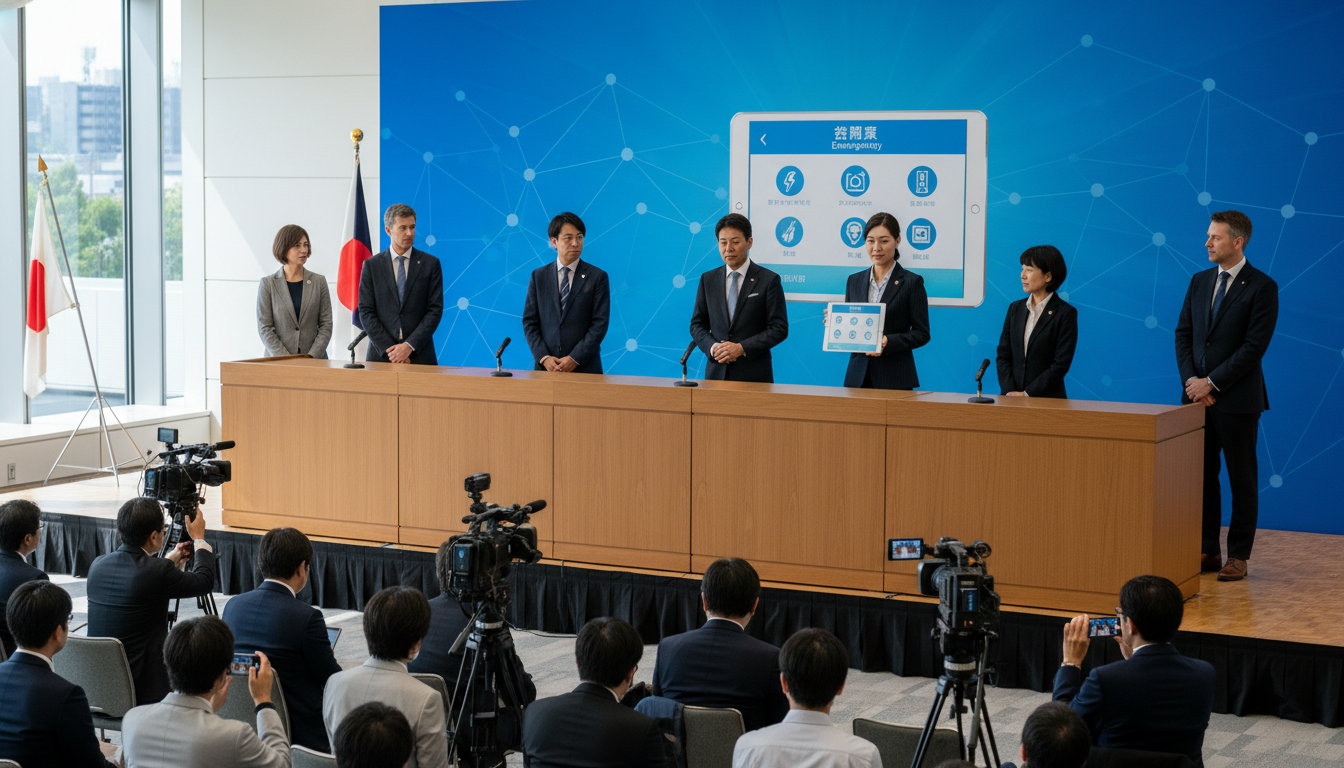
Professor launches disaster preparedness app to teach disaster-related Japanese and save lives
Professor Hiroko Harada and Iwate University released the Disaster Preparedness Drill Book app to teach disaster-related Japanese and emergency actions to foreigners in Japan.
Professor launches disaster preparedness app after 2011 loss
Hiroko Harada, a professor emeritus at the University of Alaska Anchorage, has led the creation of a disaster preparedness app aimed at foreigners living in Japan. The app, titled Disaster Preparedness Drill Book, was developed in cooperation with Iwate University and completed in February 2026 after more than a decade of work.
Harada said the project grew from personal grief following the 2011 Great East Japan Earthquake and tsunami, when one of her former students, Montgomery Dickson, was killed. The app is a direct effort to reduce language barriers that can hinder swift action during a disaster.
Motivation rooted in a teacher-student relationship
Montgomery Dickson came to Japan in 2009 after studying Japanese at the University of Alaska Anchorage and taught as an assistant language teacher in Rikuzentakata, Iwate Prefecture. He was known to pupils as “Mr. Monty” and described by friends and colleagues as dedicated to his students and enthusiastic about life in Japan.
On March 11, 2011, Dickson sought refuge in Rikuzentakata city hall after the earthquake, but the building was overtaken by the tsunami and many who had taken shelter did not survive. Harada has said she regretted never teaching him disaster-related vocabulary and has dedicated the app to his memory.
App teaches disaster-related Japanese and common emergency alerts
The disaster preparedness app plays recorded audio messages that mirror the emergency announcements broadcast on TV, radio and local government systems. Each Japanese message is accompanied by English explanations to help non-Japanese speakers recognize key warnings such as “tsunami warning” and “evacuate immediately.”
Beyond alerts, the app provides step-by-step guidance for what to do before, during and after earthquakes, tsunamis, landslides and typhoons. Its core aim is to make familiar, repeatable phrases and actions easily accessible so that users can act without hesitation when seconds matter.
Content draws on past events and real broadcast language
Developers incorporated photographs and case material from major disasters to illustrate potential damage and evacuation scenarios. The app includes imagery and context from the 1995 Great Hanshin Earthquake, the 2011 Great East Japan Earthquake and the 2024 Noto Peninsula Earthquake to show real-world consequences and responses.
Illustrated explanations and simple quiz-style prompts are used to teach unfamiliar concepts and to test comprehension. Project staff say this combination of audio, visuals and interactive elements is designed for users who have never experienced a major earthquake and may not recognize the urgency of public warnings.
Development partnership and technical features
Iwate University’s Research Center for Regional Disaster Management worked with Harada on content design and localization. Shin Koshiya, a visiting professor at the center, described the project as a long-term effort that required multiple trips between Japan and the United States and extensive online collaboration.
The free app is available on smartphones and other devices and includes recordings that approximate official emergency broadcasts. Developers also added easy-to-follow illustrations, common phrase lists and practice scenarios so users can rehearse responses before an emergency occurs.
Distribution plans and outreach to foreign residents
Project leaders said they plan to promote the app through local governments, schools and international community groups to reach the wide variety of foreign residents and short-term visitors in Japan. The team emphasized that language should not be a factor that leads to isolation or delayed evacuation in an emergency.
Harada and her collaborators hope the app will also serve as an educational bridge, encouraging both foreigners and local residents to discuss preparedness measures more openly. They see the tool as one part of a broader effort to improve community resilience through better communication and practical drills.
The app’s launch follows years of advocacy and development that Harada began two years after the 2011 disaster, aiming to translate the lessons of past earthquakes into practical language tools. She has said the project is dedicated to Dickson’s memory and expressed a wish that the app might prevent similar losses in the future.
The Disaster Preparedness Drill Book app is publicly available and is intended to be updated as needed to reflect changes in broadcast formats and local emergency procedures. Harada and her team continue to urge foreign residents and visitors in Japan to download the app, learn the key phrases, and rehearse actions so they can respond quickly if another disaster strikes.

