
Online videos reshape classrooms for Indonesian teens and families
Indonesian families use online videos for learning and creativity, turning smartphones into classrooms and changing how children access information daily.
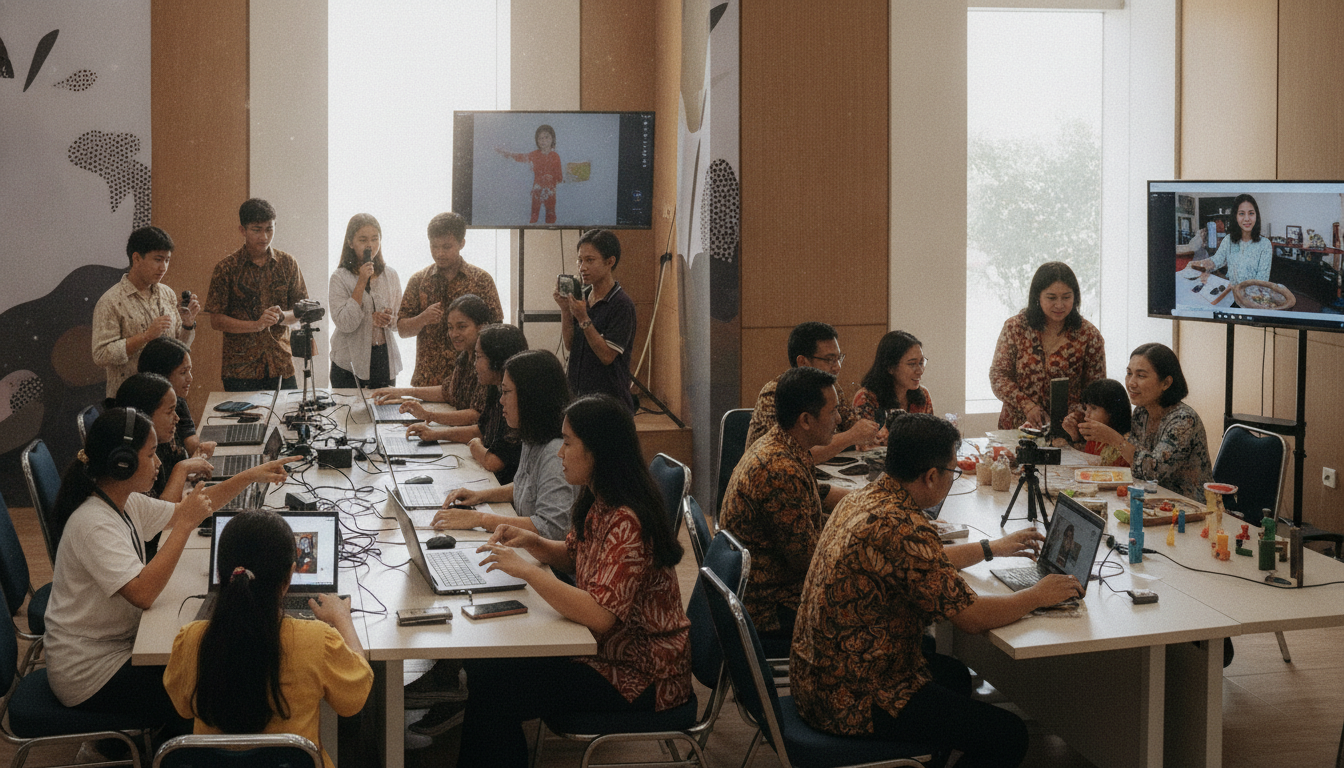
JAKARTA — Many Indonesian families are treating online videos as virtual classrooms and creative studios for children and teens, a shift that is changing routines at home and prompting new conversations among parents and educators. In one Jakarta household a multimedia lecturer noticed his children discussing vice presidential contenders and realised they had absorbed much of their information from short videos and online clips. Parents and teenagers interviewed across the city say tutorials, explainers and creative content now supplement formal schooling and spark new hobbies.
Jakarta families turn to online videos for learning
Parents in Jakarta report that household screens are routinely used for homework help and skill building in subjects from language to music. Families say that video platforms offer flexible on-demand lessons that fit around school schedules and extracurricular commitments.
Children often combine content from class with what they find online to deepen understanding or learn outside the curriculum. For many households the smartphone has become a tool for self-directed study and exploration.
Children pick up civics and practical skills from smartphones
Anecdotes from homes across the city suggest teens are accessing political explainers and current affairs content alongside craft tutorials and coding guides. Andreas Humala, a multimedia lecturer at the London School of Public Relations in Jakarta, said he overheard his children debating vice-presidential candidates and assumed the topic came from school but later learned they had been watching short online explainers.
Younger children are also engaging with instructional videos. A nine year old in Jakarta studies with her smartphone and uses clips to practise language skills and basic science experiments, according to her family. These examples illustrate how online videos can expose children to both academic and civic topics outside formal lessons.
Educators note a changing classroom dynamic
Teachers and school administrators are observing students arrive with knowledge gleaned from internet clips, sometimes ahead of class schedules. Educators say this can accelerate learning when content is accurate and aligns with classroom material, but it also creates variability in what students expect to know.
Some schools have begun to incorporate recommended online resources into lesson plans and homework assignments. Others caution that reliance on unvetted material can complicate assessment and require more time for teachers to correct misconceptions.
Short form platforms and tutorial videos rise
Short form video and platform algorithms that prioritise engaging clips have made tutorial content more accessible than ever. Creative makers and educators produce condensed lessons that appeal to young viewers and are easy to replay for practice.
This format supports quick skill acquisition but also encourages snackable learning that may lack depth. Families say they value concise demonstrations for tasks like art techniques or math problem steps, while longer videos remain preferred for complex subjects.
Parents and experts raise concerns about content and screen time
Despite the benefits, parents and child development specialists warn about misinformation and the difficulty of moderating what children watch. Rapidly produced content can be inaccurate or biased, and younger viewers may lack the media literacy to evaluate sources.
Screen time management is another persistent concern as families balance educational uses with entertainment. Many parents reported setting viewing limits and curating recommended channels to maintain structure and reduce exposure to unsuitable material.
Policy and school responses are evolving
Education authorities and local schools are exploring ways to harness online videos while protecting learners from harmful or misleading content. Pilot programs and teacher training initiatives in some districts encourage the use of vetted online resources within classroom instruction.
Digital literacy education is gaining traction as a complementary priority alongside curriculum reform. Policymakers, educators and parents are increasingly discussing guidelines for how schools can recommend quality online material and help students become discerning consumers of video content.
As the use of online videos continues to expand, families and institutions face the task of integrating these resources constructively. The trend reflects broader shifts in how children access knowledge and pursue interests, and stakeholders say cooperation between parents, teachers and platforms will be essential to ensure these changes support safe and effective learning.

