
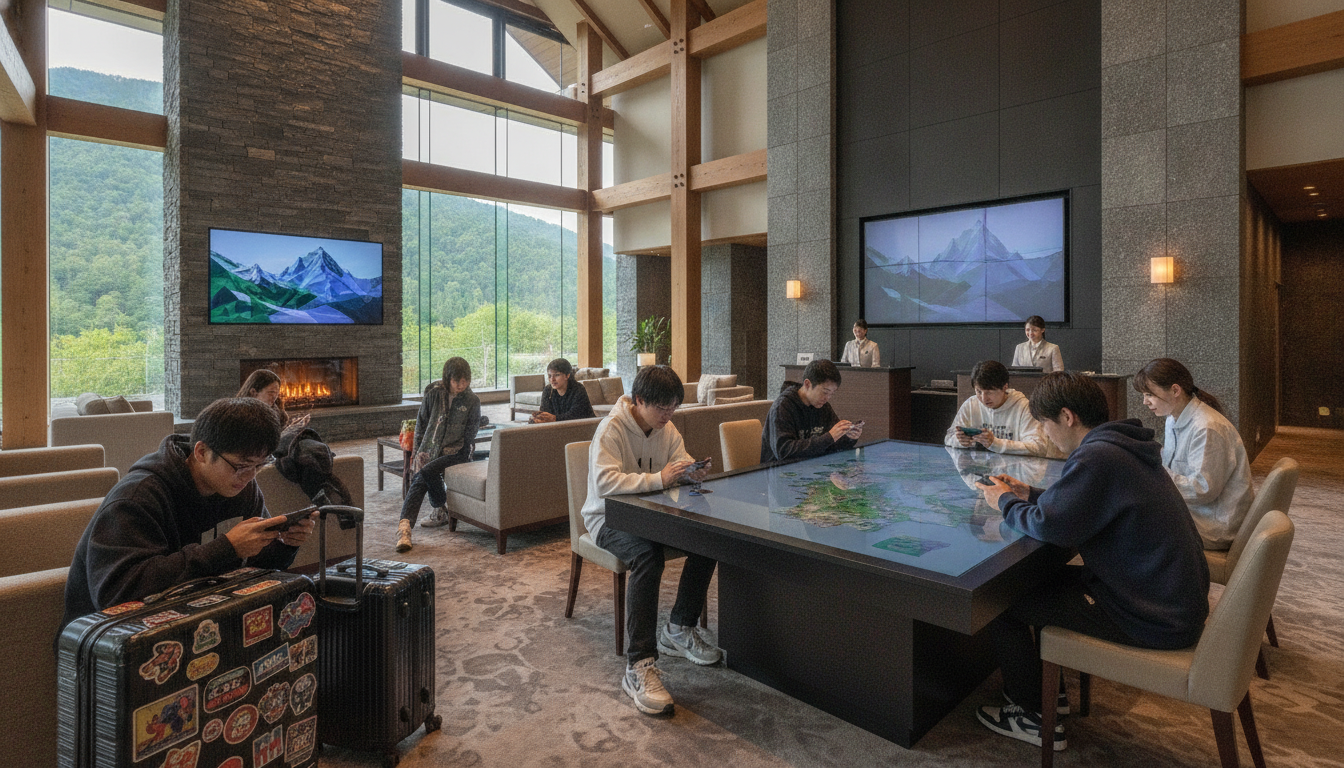
Niseko tourism pivots to video game fans as off-season hotel rates plunge
Niseko tourism shifts focus to video-game fans to boost off-season bookings, highlighting ‘Ghost of Yotei’ sites and steep hotel discounts to attract visitors.
SAPPORO — The Hokkaido resort town of Niseko has launched a targeted campaign to attract video game players and fans to visit during its long off-season, aiming to fill luxury hotel rooms that can be priced at a fraction of winter rates. Local officials and hoteliers are leveraging in-game locations from the popular title "Ghost of Yotei" and offering substantial discounts to narrow a seasonal gap that can exceed tenfold. The initiative is part marketing push, part experiential tourism drive intended to bring more year-round visitors to the region.
Niseko faces an extreme winter-to-summer rate gap
Local tourism stakeholders say the business model that has long relied on peak winter ski demand leaves rooms nearly empty in warmer months. Luxury properties that command top dollar during ski season see occupancy and rates collapse afterward, creating financial strain for owners and seasonal workers. Officials estimate that some room rates drop to only a small percentage of winter prices, prompting urgent moves to diversify the visitor base. The video game tie-up is an attempt to convert digital interest into real-world stays.
‘Ghost of Yotei’ scenes mapped to real locations
Game developers and town promoters have identified specific vistas and streets in Niseko that appear in "Ghost of Yotei," encouraging fans to treat the town as a pilgrimage site. Mount Yotei’s slopes and nearby streets are featured in the game, and tourism materials now point out viewpoints and photo spots that mirror the virtual landscapes. Organizers say guided walks, map downloads and in-person tours will help players locate recognizable backdrops and learn about Niseko’s natural and cultural features. The strategy aims to make game exploration and sightseeing complementary experiences.
Hotels cut rates and create themed packages
Several hotels and ryokans have introduced seasonal packages that pair discounted room rates with game-related activities and local experiences. Offers include reduced-suite nights, bundled dining credits and curated walking itineraries to the locations fans are most likely to seek. Hoteliers describe the pricing moves as necessary to stimulate occupancy during slow months and to support year-round staffing. While discounts are steep compared with peak-season tariffs, managers say modest increases in midyear visitation would stabilize revenue and protect jobs.
Local businesses plan events and merchandise
Beyond accommodations, restaurants, shops and tour operators are preparing to welcome a new segment of visitors with tailored programming. Pop-up stalls, limited-edition souvenirs referencing the game’s settings and collaborative events with local artists are being discussed to create a more immersive visitor experience. Some operators are cautious, however, noting that gamer demographics vary and that not all fans will spend broadly in the town. Business owners stress that community input and careful curation will be important to avoid one-off promotions that leave little long-term benefit.
Town officials weigh infrastructure and sustainability issues
Municipal authorities acknowledge the potential upside of converting virtual interest into physical tourism but emphasize the need for planning. Concerns include transportation capacity during shoulder seasons, pressure on public spaces, and the environmental impacts of increased visitation to sensitive natural areas around Mount Yotei. Officials say any campaign will be accompanied by guidance on responsible visitation, signage to protect fragile sites, and coordination with regional transport providers. The goal, they add, is measured growth that supports local livelihoods without degrading the very landscapes that attract visitors.
Marketing strategy seeks international and domestic players
Niseko’s outreach is designed to appeal to both domestic gamers in Japan and international players who follow the game’s virtual map. Promotional efforts include social media content, collaborations with influencers and targeted advertising in markets known for sending visitors to Hokkaido. Tourism leaders argue that tapping niche fandoms is a cost-effective way to reach motivated travelers who are already emotionally invested in a place through the game. They also believe that experiential itineraries—combining gaming landmarks with outdoor activities and local cuisine—can broaden the town’s appeal beyond a single-season market.
Local tourism officials stress that this experiment is one element of a broader plan to make Niseko less dependent on winter demand alone. If successful, converting game fans into year-round visitors would represent a notable shift in regional strategy and offer a model for other seasonal destinations. Still, stakeholders caution that careful monitoring, community engagement and environmental safeguards will be essential to ensure benefits are shared locally.
Niseko hopes that the blend of steep off-season hotel discounts and a curated game-to-reality experience will turn interest in "Ghost of Yotei" into tangible economic gains while preserving the mountain scenery and community character that define the town.

