
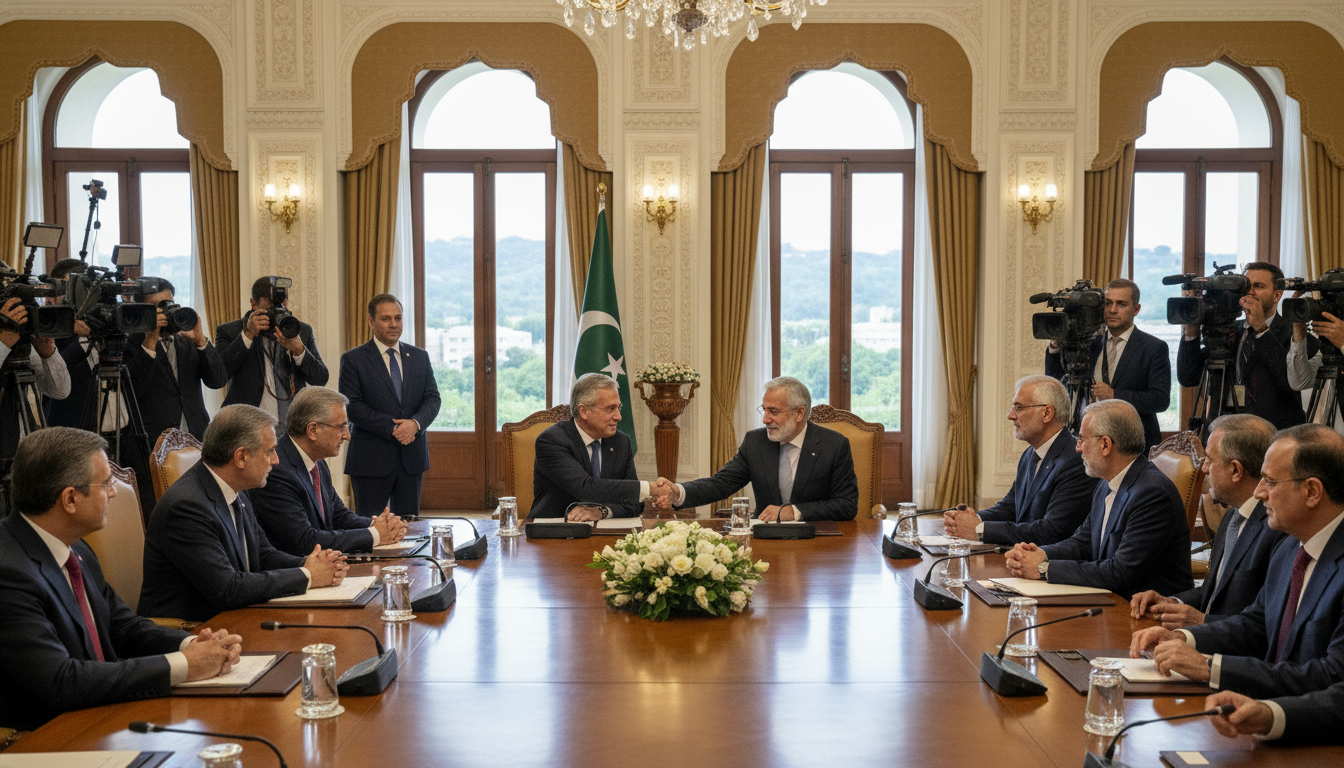
Pakistan mediation brings U.S. and Iran to the table in Islamabad talks
Pakistan mediation helped convene the first formal U.S.-Iran meeting since the conflict began; Islamabad hosted talks on April 11, 2026 to explore reconciliation.
TOKYO — Pakistan mediation placed Islamabad at the center of a rare diplomatic opening on April 11, 2026, when U.S. and Iranian delegations met for their first formal talks since the conflict that began on February 28, 2026. The meeting, hosted by Pakistani authorities, signaled Islamabad’s intent to leverage its relations with both Washington and Tehran to push for de-escalation. Observers said the talks represented a pragmatic step toward limited reconciliation even as deep disagreements remain.
Pakistan’s role in convening U.S.-Iran talks
Pakistan positioned itself as an intermediary by using long-standing diplomatic channels with both countries to arrange the Islamabad meeting. Officials in Islamabad have argued that maintaining direct lines of communication reduces the risk of miscalculation and provides opportunities to manage crises.
The decision to host the talks reflects a broader Pakistani foreign policy calculation that mediation can enhance its international standing. Islamabad has emphasized neutrality publicly while facilitating behind-the-scenes exchanges to encourage practical problem-solving.
Details of the Islamabad meeting
The April 11, 2026 session brought together senior diplomats and technical advisers from Washington and Tehran for a day of structured discussions. According to briefings circulating after the meeting, the agenda focused on de-escalation measures, humanitarian concerns, and establishing communication protocols to prevent unintended incidents.
Delegations did not issue a joint communiqué, but participants reportedly agreed to remain engaged through Pakistani channels and to hold follow-up contacts. The lack of a formal outcome was anticipated by analysts who noted the talks were designed as an initial confidence-building measure rather than a venue for sweeping agreements.
Strategic motivations driving Pakistan mediation
For Islamabad, mediation serves multiple strategic aims, including regional stability, economic considerations, and improved ties with major powers. Pakistan faces domestic priorities that are sensitive to regional security shocks, and calming tensions between Iran and the United States aligns with its immediate national interest.
Economically, Pakistan seeks investor confidence and uninterrupted trade routes; prolonged regional instability threatens those objectives. Diplomacy also offers Islamabad a platform to project influence and balance relationships with both Western and neighboring powers without formally taking sides.
Responses from Washington and Tehran
U.S. officials framed participation as a pragmatic step to reduce the risk of escalation and to open technical channels for resolving urgent issues. Washington emphasized that engagement in Islamabad did not signal a change in core policy but could create space for managing crises.
Iran’s engagement was presented domestically as a measured diplomatic opening, with Tehran underscoring that talks would not compromise its strategic positions. Both capitals appeared cautious in their public messaging, seeking to manage domestic audiences while testing whether practical cooperation was possible.
Regional implications for South Asia and the Middle East
The Islamabad talks carry wider implications for regional diplomacy by demonstrating that third-party mediation can create limited openings even amid intense rivalry. South Asian governments may view Pakistan’s role as an example of leveraging geographic and political positioning to influence outcomes beyond immediate borders.
For the Middle East, the meeting offers the possibility of creating incremental communication mechanisms that reduce the chance of accidental escalation. However, analysts warned that durable progress will require sustained engagement and parallel confidence-building measures among multiple regional actors.
Next steps and potential obstacles to reconciliation
Participants agreed on maintaining contact and exploring technical confidence-building measures, but substantive breakthroughs will face significant obstacles. Deep-seated strategic distrust, competing regional agendas, and domestic political pressures in both the United States and Iran complicate prospects for rapid resolution.
Future progress will likely depend on whether Islamabad can sustain its role as an honest broker and whether Washington and Tehran are prepared to translate limited technical cooperation into broader, reciprocal commitments. Observers will watch for follow-up meetings and whether the talks lead to concrete, verifiable steps.
The Islamabad talks on April 11, 2026 illustrate how Pakistan mediation can open channels between adversaries, yet the pathway to lasting reconciliation remains uncertain and will require continued diplomacy and patient negotiation.

