
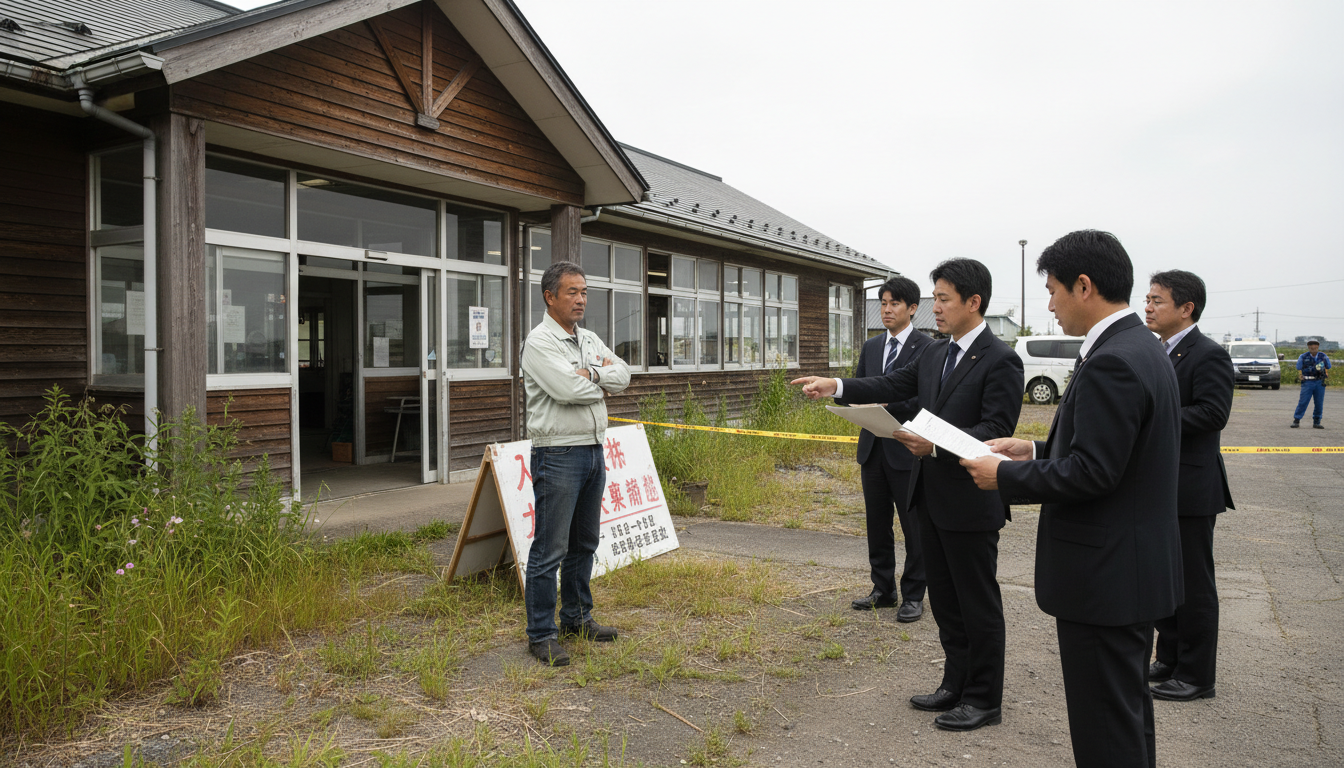
Michi-no-eki Subashiri operator keeps doors open after contract expired, town threatens legal action
A private operator continued regular sales and services at Michi-no-eki Subashiri after its management contract expired on March 31, 2026, prompting the town of Oyama to label the activity an "unauthorized occupation" and consider legal measures.
Operator remains open despite contract end
The roadside station Michi-no-eki Subashiri, promoted as the facility closest to Mount Fuji, continued normal operations into April 2026 despite the management contract with the town of Oyama having ended on March 31, 2026. Reporters who visited in early April found the produce section stocked with vegetables and rice from the Mount Fuji foothills, souvenirs on display and a footbath used by visitors, with no visible signs of disruption to daily services.
Town officials, however, say the continued presence of the private operator on municipal property after the contract termination constitutes unauthorized occupation. The disparity between outward normalcy and the unresolved administrative dispute has alarmed local officials and raised questions about authority over the site.
Town labels activity "unauthorized occupation" and explores legal options
Oyama town authorities have publicly criticized the operator’s continued use of the facility and are evaluating responses that could include legal measures. Town officials argue that the management contract was definitive and that the company no longer has the legal right to occupy or operate the station after March 31, 2026.
The town has intensified internal discussions about next steps and is weighing administrative and judicial routes to resolve the matter. Officials say they are consulting with legal advisers and preparing to act if the operator does not vacate or reach an agreement with the municipality.
History of management and the recent selection process
Michi-no-eki Subashiri opened in 2011 and sits roughly 10 kilometers from the Subashiri trailhead leading to Mount Fuji’s 5th station. The station has been an important local tourism hub, drawing large numbers of visitors interested in mountain access, regional produce and souvenirs.
In April 2021, a company identified in reporting as Kankō Kaihatsu, which operates golf course maintenance and other services in the area, was appointed as the designated manager under a town outsourcing arrangement. That contract ran through March 31, 2026, after which the town conducted a public tender process last summer to select a manager for the next five-year period.
A selection panel composed of the deputy mayor, municipal staff and private-sector committee members reviewed competing bids. The panel favored a proposal from an Aichi Prefecture-based firm, citing the strength of its tourism and exchange event plans, and opted not to renew Kankō Kaihatsu’s appointment.
Dispute over facility upgrades and a ¥50 million investment
The handover did not proceed smoothly, in part because of disagreement over recent investments in the facility. Reporting indicates that Kankō Kaihatsu invested about ¥50 million in equipment upgrades during its tenure, a move that has complicated negotiations over asset transfer and responsibilities.
Town representatives and outside observers suggest the magnitude of the investment is one factor behind the stalled transition, with the operator seeking recognition or compensation for recent capital expenditures. That dispute over who bears the cost of upgrades and how assets should be handed over has been a central element in the impasse.
Local business and tourism implications
Michi-no-eki Subashiri is a major draw for the region, with annual visitor numbers topping 300,000 in recent years and one recorded figure at approximately 340,000 in a past fiscal year. The station serves as both a marketplace for local agricultural products and a rest point for domestic and international tourists en route to Mount Fuji.
Producers who rely on the station to sell vegetables, rice and other goods are watching developments closely because prolonged uncertainty could affect supply agreements and customer access. For many visitors, the site’s footbath, souvenirs and local food stalls are part of the appeal of visiting the Mount Fuji area, and any disruption could dampen the visitor experience during peak seasons.
Municipal timeline and possible next steps
With the management contract expired on March 31, 2026, the town asserts a clear administrative expectation that the new designated manager should have taken control through the tender outcome decided last year. Because the outgoing operator remains on site and continues serving customers, Oyama town is preparing formal notices and has not ruled out filing for court-ordered eviction or other remedies under administrative law.
Town officials have emphasized their preference for a negotiated resolution but say they will act to secure municipal property and ensure that the facility’s management complies with public procurement and administrative rules. The selection committee’s recommendation and the town’s policy priorities remain central to any resolution.
The situation also poses practical questions about continuity of services, revenue allocation and responsibility for staff and suppliers during the transition period. How the town and the private companies reconcile the investment claims, manage personnel, and maintain visitor services will determine whether the dispute can be resolved without lengthy litigation.
The dispute at Michi-no-eki Subashiri highlights the challenges municipalities face when public facilities rely on private operators for day-to-day management, particularly when significant capital investments and overlapping timelines complicate handovers. As the town of Oyama considers administrative and legal responses, the future management of the station and the preservation of its role in Mount Fuji tourism remain unresolved, with local stakeholders awaiting a definitive settlement.

