
Taiwan arms sales ‘decoupled’ from Iran war, Pentagon chief says at Shangri‑La Dialogue
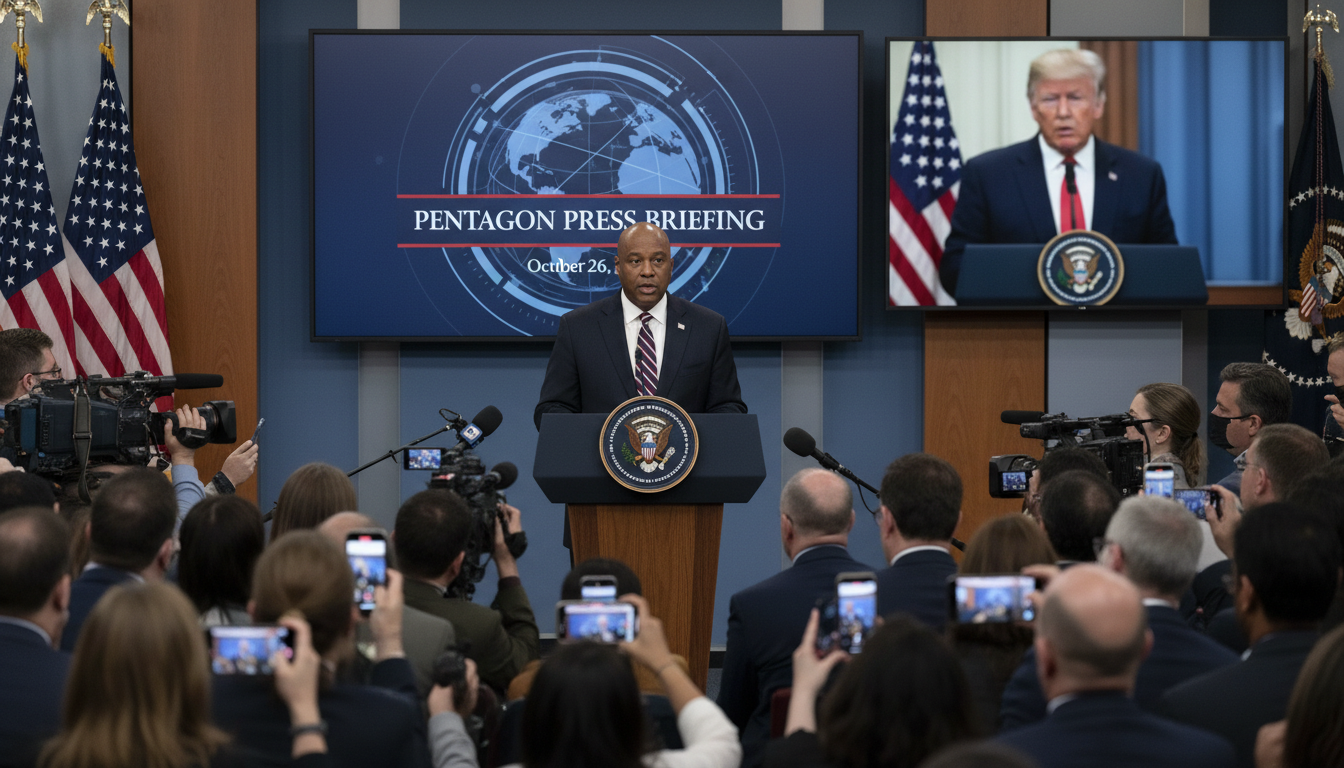
At the IISS Shangri‑La Dialogue in Singapore, U.S. Defense Secretary Pete Hegseth said Taiwan arms sales are decoupled from the Iran war and that the final decision rests with President Trump.
U.S. Secretary of Defense Pete Hegseth used his address at the Shangri‑La Dialogue in Singapore on May 30 to reassure Asian partners that Washington remains committed to preserving a stable Indo‑Pacific. He directly linked U.S. policy on Taiwan arms sales to broader regional security, saying such decisions are separate from developments related to the Iran conflict. Hegseth framed the choice as one for the U.S. president while underscoring Washington’s resolve to prevent any single power from imposing hegemony in the region.
Hegseth’s security message at the Shangri‑La Dialogue
Hegseth opened his remarks by asserting that the United States would act to maintain an Indo‑Pacific where “no state, including China, can impose hegemony,” a line delivered to defense ministers and senior officials gathered at the summit. He positioned U.S. support for regional partners as a central pillar of that aim, describing deterrence, alliance cooperation, and capacity building as core tools. The speech sought to offer reassurance at a moment of heightened strategic competition and overlapping crises.
Pentagon: Taiwan arms sales separate from Iran war
Addressing questions about whether the conflict in the Middle East would affect arms transfers to Taipei, Hegseth said Taiwan arms sales were being treated separately from operational decisions tied to the Iran war. He insisted that Washington was not linking Taipei’s defensive needs to developments in the Middle East, signaling an intent to sustain security arrangements in East Asia independently. The Pentagon’s framing is likely intended to calm allies and partners who have worried that global contingencies could delay or complicate regionally focused arms deliveries.
Final authority placed with President Trump, per Hegseth
Hegseth explicitly noted that ultimate authorization of any major arms package to Taiwan would rest with the president, saying the decision was “up to President Trump.” By attributing the final call to the White House, the defense secretary sought to clarify the chain of command while avoiding commitments on specific timelines or inventories. That delegation of responsibility leaves open the possibility of political factors shaping the timing and scope of future transfers.
Signals to Beijing and reassurance for allies
Hegseth’s comments combined a direct warning to Beijing with a public reassurance to regional partners that the U.S. commitment endures. He emphasized that the United States would work with allies and partners to strengthen deterrence and interoperability, signaling continued support for joint exercises and capacity‑building initiatives. The speech is likely to be closely watched in capitals across the region, where policymakers balance deterrence needs against the risks of escalation.
Regional implications for defense planning
Analysts say separating Taiwan arms sales from the Iran war reduces the risk that conflicts in one theatre will cascade into procurement or readiness challenges elsewhere. For defence planners, that separation can help maintain predictable timelines for training, logistics and force posture adjustments in East Asia. Yet the political framing — placing the final decision with the president — also means allied expectations must account for shifting domestic and diplomatic priorities in Washington.
In the run of the Shangri‑La Dialogue, Hegseth’s remarks underscored Washington’s broader strategic narrative: reassure partners, deter coercion, and compartmentalize decisions so that global crises do not automatically upend regional security arrangements. The comments will shape diplomatic interactions in the coming weeks as capitals seek clarity on timelines and the potential operational impact of any future arms transfers to Taiwan.

