
Philippines Launches $1 Billion Scheme to Spur Electric Vehicles and Battery Production
Manila unveils a $1 billion subsidy to attract electric vehicle makers, with up to 40% co-funding for battery models and incentives for local supply chains.
Strong opening: subsidy aims to accelerate electric vehicle manufacturing
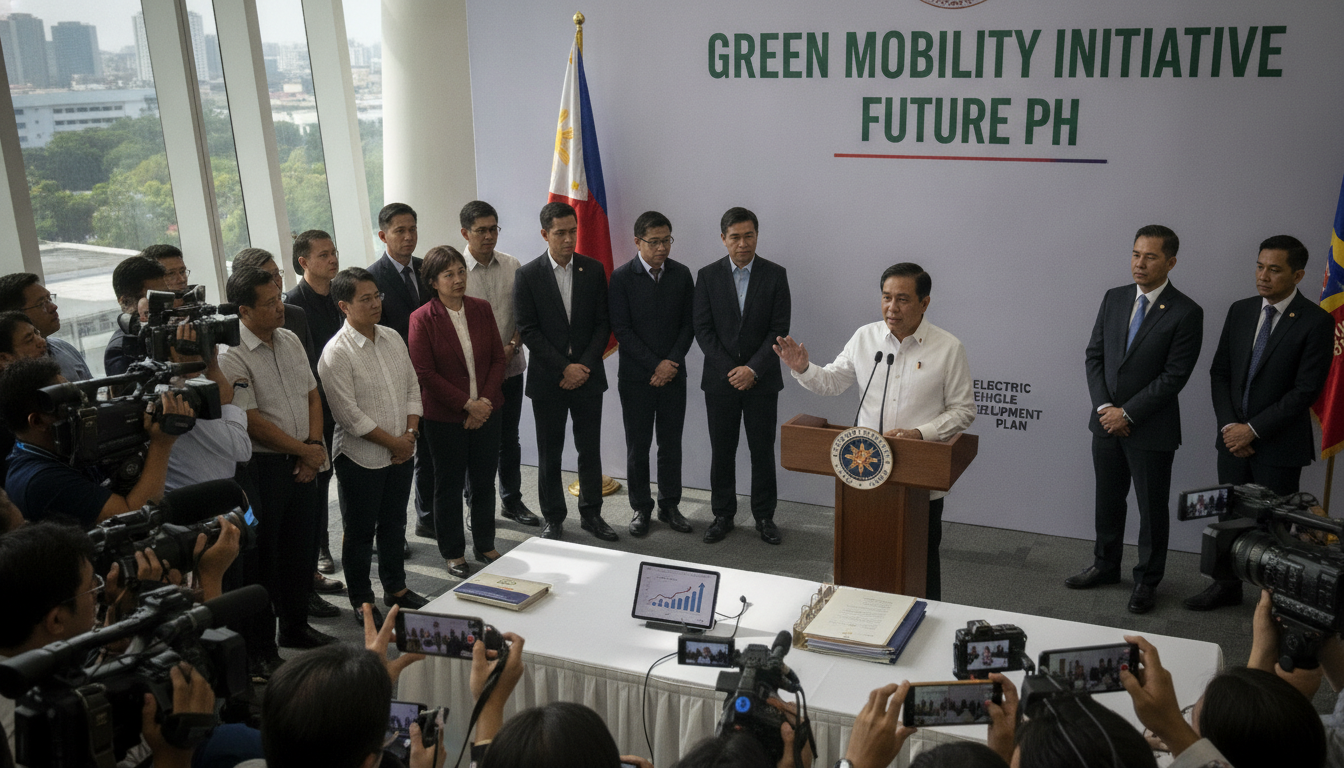
The Philippine government announced a $1 billion subsidy program designed to jumpstart domestic electric vehicle production and lure foreign investors. The package explicitly targets assembly and component projects and names battery models as a priority for financial support. Officials framed the initiative as a response to intensifying regional competition for EV manufacturing and an effort to build local supply chains. The move signals Manila’s intent to shift from importer to regional production hub for electric vehicles.
Scope of support: up to 40% co-funding for batteries
Under the new scheme, battery models may receive co-funding of up to 40% of qualifying costs, according to the government outline. The incentives are pitched to reduce the upfront capital barrier for manufacturers and to accelerate local battery cell and pack production. Besides direct co-funding, the program includes other inducements such as tax breaks and infrastructure support to make long-term investment more attractive. The emphasis on battery manufacturing reflects global recognition that batteries are the most value-dense part of electric vehicles.
Targeted incentives to strengthen supply chains
The package is structured to encourage not only vehicle assembly but also the development of upstream suppliers for battery materials, electronics and thermal management systems. Manila is offering multimodal incentives that combine cash support with regulatory facilitation and potential land or utility arrangements. Policymakers expect that integrated supply chains will reduce import dependence and create higher-skilled manufacturing jobs. The government also plans to coordinate with local industry bodies to align training and logistics with investor requirements.
Investor interest and early market signals
Global and regional automakers have shown heightened interest in Southeast Asia as they diversify production beyond China, and Manila’s measures aim to capture some of that momentum. Observers note that visible examples of EV operations, such as taxis run by affiliates of VinFast and other new entrants in Metro Manila, help demonstrate local market potential. Analysts say a credible subsidy program can accelerate negotiations with manufacturers already scouting plant sites in the region. However, investors will be looking closely at the clarity of eligibility rules and long-term support commitments.
Budget, oversight and implementation timetable
The $1 billion figure sets a headline value, but the effective fiscal outlay will depend on project uptake and the stage-by-stage release of funds. Government officials have indicated that funding will be channeled through co-financing arrangements and phased approvals tied to project milestones. Oversight mechanisms and performance conditions are expected to be part of approvals to safeguard public funds and ensure local content goals are met. A clear, predictable application and monitoring process will be essential to maintain investor confidence and to measure the program’s economic returns.
Regional competition and economic implications
Manila’s push comes as neighboring Southeast Asian countries expand their own EV incentives and manufacturing offers, raising the stakes for landing major investment projects. If successful, the program could boost exports, widen the industrial base and create jobs in areas from assembly lines to battery chemistry research. Conversely, without complementary reforms — for instance in logistics, grid capacity and workforce development — the subsidy alone may have limited long-term effect. The government will need to demonstrate that incentives are part of a broader industrial strategy rather than a standalone fiscal enticement.
The $1 billion subsidy program and its 40% co-funding provision for battery models mark a significant pivot in the Philippines’ economic strategy toward value-added manufacturing in the electric vehicle sector. How quickly it converts investor interest into factories, suppliers and exported components will depend on execution, regulatory clarity and parallel investments in infrastructure and skills.

