
Takaichi Defends House of Representatives Seat Reduction as Ruling Bloc Forces Lower House Deliberations
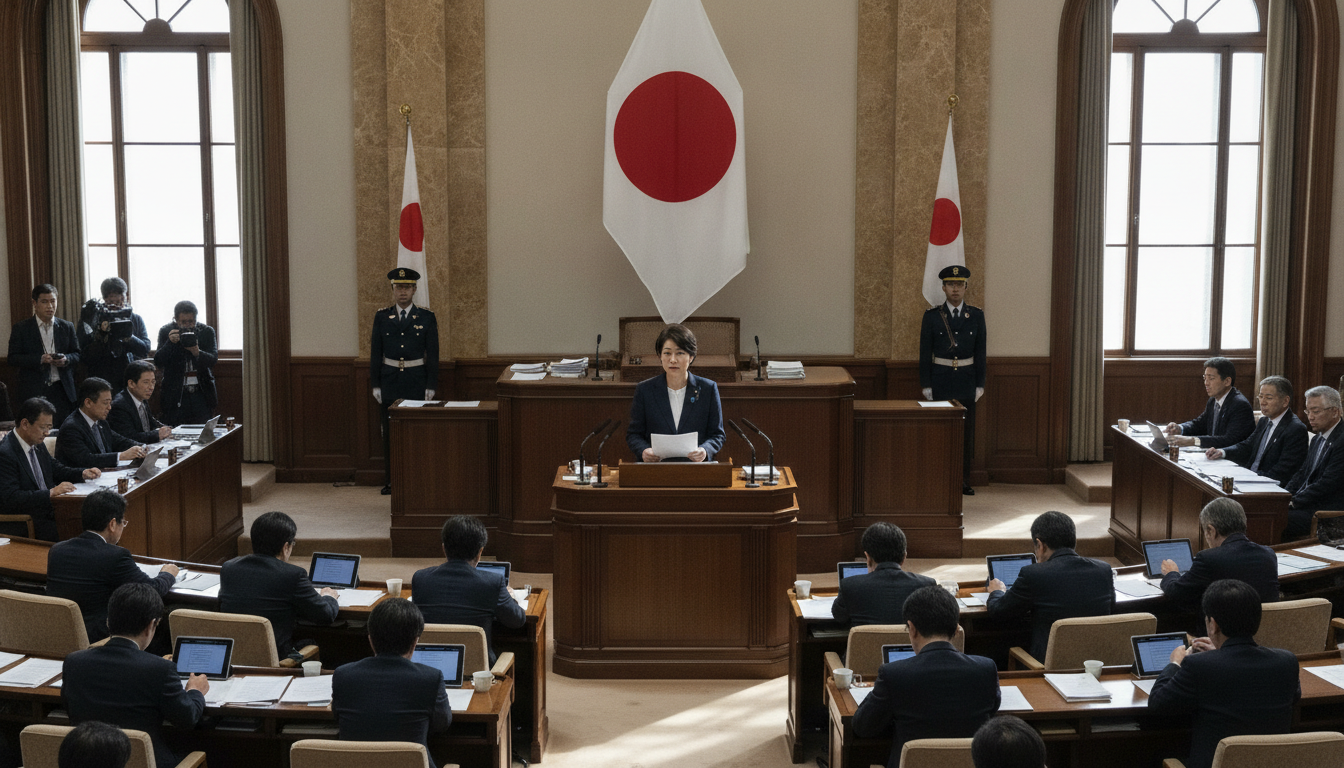
Prime Minister Sanae Takaichi defended the House of Representatives seat reduction on July 6, 2026, telling the House of Councillors’ Budget Committee that elections are “the root of democracy” and that lawmakers represent the entire nation.
The ruling coalition pressed ahead with deliberations on a bill to cut the number of lower-house seats while many opposition members were absent, escalating tensions in the Diet and prompting scrutiny of parliamentary procedures. In the House of Councillors’ Budget Committee, Prime Minister Sanae Takaichi framed the issue as central to democratic legitimacy and electoral fairness, saying the Diet must create conditions for fair elections and represent the voices of the public. Her remarks came in response to a question from Sohei Kamiya, leader of the Sanseitō party, who pressed the government on safeguards for democratic trust. The exchange underscores widening polarization over constitutional and electoral matters as the government advances legislation controlling the composition of the lower chamber.
Takaichi’s Statement in the Upper House Committee
Prime Minister Takaichi told the committee that “elections are the root of democracy” and reiterated that parliamentarians are constitutionally positioned as representatives of all citizens. She emphasized that the Diet has a responsibility to ensure an environment where elections can be contested fairly. Takaichi also stressed that policymakers with power must exercise restraint, gather broad public input and deliberate thoroughly before implementing policies that affect large numbers of citizens.
The prime minister added that, if policies proved mistaken, the government would apologize and revise them, framing accountability as a core element of responsible governance. Her remarks were delivered on July 6, 2026, during questioning about the seat reduction bill and the broader implications for electoral integrity. The comments sought to address criticism that the ruling bloc’s procedural tactics undermined democratic norms.
Lower House Deliberations Proceed Amid Opposition Absence
Earlier this week the ruling coalition in the lower house moved to continue deliberations on the seat reduction bill despite the absence of several opposition parties. The decision to press ahead while opponents staged walkouts or boycotts intensified accusations that majority power was being used to sidestep thorough debate. Opposition lawmakers and critics argued the move eroded trust in parliamentary processes and limited substantive scrutiny of legislation that alters the structure of representative democracy.
Ruling-party officials defended the decision as legally permissible and necessary to advance the government’s legislative agenda. They argue the bill, which proponents say will streamline representation and address demographic shifts, requires prompt action. The clash between procedural authority and calls for inclusive debate has become a focal point of public and political attention.
Exchange with Sanseitō Leader Sohei Kamiya
Sohei Kamiya, leader of the Sanseitō party, questioned the prime minister about how those in power should behave to safeguard trust in democracy and elections. Kamiya’s line of questioning aimed to probe whether the government recognizes the symbolic and practical consequences of using majority power when opposition participation is limited. He framed his concerns around the need to preserve impartiality and public confidence in electoral administration.
In response, Takaichi reiterated commitments to restraint and deliberation, arguing policymakers must seek the collective wisdom of as many people as possible before enacting impactful measures. She sought to reassure critics that the government would acknowledge mistakes and make corrections when necessary, offering accountability as a corrective mechanism. The exchange highlighted the political stakes of both policy and process in contemporary Diet debates.
Takaichi’s Remarks on Power, Restraint and Accountability
The prime minister’s comments emphasized a philosophy of cautious governance: those who wield power should do so conservatively and consult widely. Takaichi framed the seat reduction as part of a broader obligation to maintain electoral fairness and representation across the country. She told the committee that policies affecting nationwide representation demand rigorous consideration and that the Diet must establish an equitable competitive environment for elections.
Takaichi’s pledge to apologize and revise policies if proven wrong was presented as a safeguard intended to build trust. Still, opposition parties and some constitutional scholars argue that procedural fairness in how laws are debated is as important as any subsequent corrections. The debate has therefore turned as much on legitimacy of process as on the merits of seat redistribution itself.
Political and Public Implications of the Seat Reduction Debate
The government says the seat reduction will better reflect population changes and improve legislative efficiency, while opponents warn it may skew representation and diminish minority voices. Analysts note that changes to House of Representatives seat distribution can affect party fortunes across regions and alter policy dynamics for years. The current standoff over procedure has amplified concerns about transparency and the quality of democratic discourse.
Public reaction has been mixed, with some voters expressing support for measures aimed at streamlining government, and others uneasy about confrontational tactics in the Diet. The controversy is likely to shape political narratives ahead of future elections and could influence how voters view both the ruling coalition and opposition parties on issues of fairness and institutional norms.
As the bill moves through parliamentary stages, the immediate focus will be on whether the government can secure the necessary votes in the lower house and withstand legal and political challenges. Debate over the substance of the seat reduction will continue alongside scrutiny of parliamentary procedure and the government’s promises of accountability if policy outcomes prove problematic.

