
Shen Dingli’s Tokyo Visit: Chinese Scholar Predicts Stable China–U.S. Relations Amid Strained Japan Ties
On his Tokyo visit, Shen Dingli says China–U.S. ties will likely remain stable despite strains with Japan over Taiwan, urging calm and improved communication.
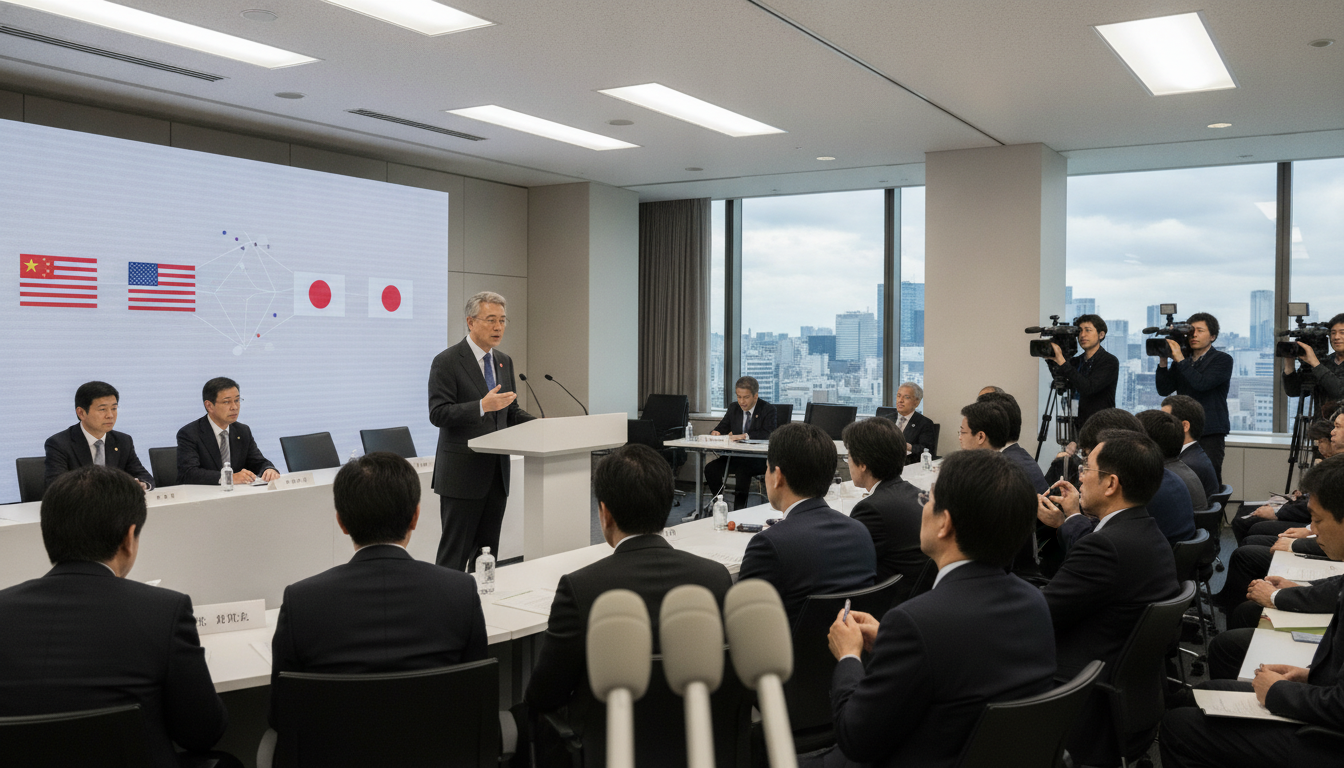
Shen Dingli, director of the Center for American Studies at the Grandview Institution, made a rare visit to Tokyo on July 15, 2026, and told reporters he expects China–U.S. relations to remain broadly stable in the near term. The scholar said the two powers are driven by deep economic interdependence and strategic caution that, he argued, will limit the risk of rapid escalation. His remarks came as bilateral ties in East Asia face fresh stress following heated reactions in Beijing to Japanese political comments on Taiwan.
Visit and forum appearance in Tokyo
Shen spoke on the sidelines of the annual Tokyo Global Dialogue on July 15, 2026, marking one of his infrequent public trips to Japan. He met academics and policy figures during a short program of panel sessions and closed-door exchanges. Organizers described the visit as an opportunity to test how Chinese strategists view regional dynamics after a year of heightened rhetoric.
The scholar acknowledged that his presence in Tokyo is uncommon, reflecting sensitivities in Japan–China exchanges since recent political remarks triggered a sharp response from Beijing. He said such visits can still produce "practical, if cautious, conversations" about crisis management and economic ties. Participants in the dialogue noted a preference among officials on all sides for steadier lines of communication.
Assessment of China–U.S. relations
Shen characterized China–U.S. relations as competitive but contained, citing both countries’ incentives to avoid direct confrontation. He emphasized economic ties, market linkages and the shared costs of conflict as stabilizing factors that make a major rupture unlikely. The scholar warned, however, that competition remains intense in technology, military posture and diplomatic influence.
He outlined scenarios that could still undermine stability, including misjudgment in military encounters, runaway nationalist rhetoric, or sudden policy shifts that surprise the other side. Shen urged institutional measures to reduce accidental escalation, recommending clearer military-to-military contacts and reciprocal diplomatic channels. His assessment was presented as pragmatic rather than optimistic, stressing management over rapid rapprochement.
Impact of Japanese political remarks on bilateral ties
Shen addressed how remarks made last year by Japan’s political leadership on Taiwan contributed to a chilling of exchanges between China and Japan. He said Beijing’s strong response reverberated beyond formal diplomacy, affecting tourism flows, academic cooperation and business confidence. The scholar described a measurable pullback in people-to-people programs and institutional partnerships in the months that followed.
Experts and local officials in both countries have reported cancellations of exchange programs and a more cautious approach to joint projects, particularly in areas deemed politically sensitive. Shen suggested that rhetoric from political leaders, even when aimed at domestic audiences, can have immediate international consequences that undermine long-term bilateral interests.
Risks to regional stability and crisis management
While forecasting overall China–U.S. stability, Shen underscored the persistent risk of episodic crises in the Taiwan Strait or other flashpoints. He called for practical crisis-management mechanisms and confidence-building measures tailored to prevent accidents at sea or in the air. The scholar recommended routine communication between defence establishments and more transparent rules of engagement for naval and aerial operations.
He also warned against relying solely on economic ties to prevent conflict, arguing that market linkages can be eroded quickly in a crisis. Shen urged policymakers to institutionalize backchannels and to maintain emergency contact points that survive political ups and downs. His comments reflected a common view among regional strategists that structure matters as much as intent.
Outlook for Japan–China relations and people-to-people ties
On Japan–China relations, Shen said recovery of normal exchanges will depend on tempering nationalist rhetoric and rebuilding trust across sectors. He highlighted practical steps such as resuming student and cultural programs, restarting tourism initiatives, and restoring joint research projects as early confidence-building moves. Shen cautioned that such restoration requires time and deliberate political choices on both sides.
Japanese observers at the Tokyo conference said they welcomed his emphasis on gradual restoration and practical cooperation, but some stressed that strategic competition with China will continue to shape Tokyo’s policy calculus. Business groups echoed calls for clearer rules and predictable diplomatic behaviour to protect investments and cross-border partnerships.
Shen framed his Tokyo visit as a reminder that dialogue, even when cautious, remains an essential tool for managing complex regional relationships. He left Japanese interlocutors with a message that stability is achievable but not guaranteed, contingent on restraint, clear channels of communication and practical crisis-avoidance measures.
The scholar’s remarks in Tokyo added a perspective that balances the possibility of managed, stable China–U.S. ties with the real and present need to reduce bilateral friction and repair frayed Japan–China connections.

