
Shizuoka Approves Construction of Maglev Train Section, Clearing Longstanding Roadblock
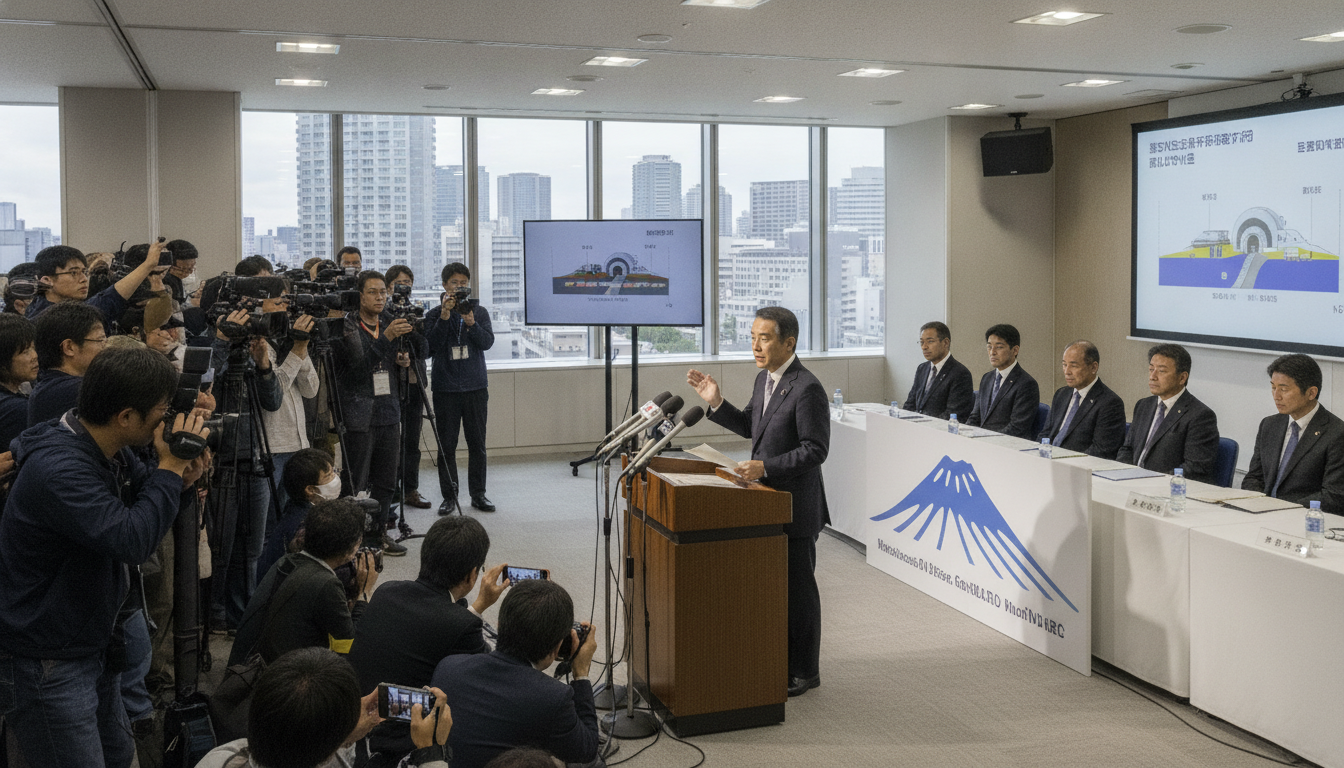
Shizuoka governor approves construction of the Chuo Shinkansen maglev on July 7, 2026, ending a decade-long dispute and advancing JR Central’s project timeline.
TOKYO — The governor of Shizuoka Prefecture on July 7, 2026 granted formal approval for construction of the Chuo Shinkansen maglev train within the prefecture, resolving the final major political deadlock that had stalled tunneling work for more than a decade.
The decision follows months of negotiation between the prefectural government and Central Japan Railway Co. (JR Central) over environmental protections and water‑resource safeguards. (japantimes.co.jp)
Governor Grants Construction Approval for Shizuoka Section
Yasutomo Suzuki, the prefectural governor who took office in 2024, signalled his intention to allow the project to proceed after JR Central agreed to a package of environmental measures and compensatory arrangements.
The governor announced the approval during the final day of the prefectural assembly session, ending a period in which local leadership had withheld consent for tunnel excavation beneath parts of the Oi River basin. (japantimes.co.jp)
The approval represents a political turning point for the Chuo Shinkansen, a privately led high‑speed maglev project that has been beset by disputes with local authorities despite national support.
For Shizuoka, the decision was framed as conditional on strict implementation of mitigation measures and ongoing oversight by prefectural authorities. (japantimes.co.jp)
Environmental Safeguards and 28 Agreed Measures
A special committee of Shizuoka Prefecture reviewed and approved a set of 28 environmental conservation measures that JR Central pledged to implement, including actions aimed at protecting river flows and local ecosystems.
The prefectural government’s official documentation details monitoring protocols and contingency plans intended to limit impacts on groundwater and the Oi River watershed. (pref.shizuoka.jp)
JR Central has also committed to compensation schemes and technical steps to reduce water consumption during tunneling, a central concern of residents and municipal leaders in the affected basin.
Officials say these measures were decisive in persuading the governor that construction could proceed without unacceptable environmental risk. (maglev.net)
JR Central’s Timeline and Financial Stakes
JR Central has been pushing to advance the Chuo Shinkansen — a superconducting maglev line designed to link Tokyo and Nagoya and then extend to Osaka — but the company has repeatedly revised its operational targets amid delays and cost pressures.
While early plans once targeted initial service by the late 2020s, JR Central’s own reports and public statements have shifted expectations, with revised commercial openings now anticipated in the 2030s. (global.jr-central.co.jp)
The firm faces significant financial exposure from tunneling and station construction, and formal approval in Shizuoka removes a major uncertainty that had deterred full mobilisation of contractors and capital.
Analysts say removing the political barrier should allow JR Central to formalise schedules and contract awards, but large capital demands and complex engineering tasks mean significant work remains before trains can run. (global.jr-central.co.jp)
Local Reaction in Oi River Basin Municipalities
Reactions among local governments and river‑basin communities were mixed, reflecting long‑standing worries about water supplies, land stability and the safeguards promised by JR Central.
Some municipal leaders welcomed the decision as a path to economic opportunity and infrastructure investment, while residents and environmental groups urged strict enforcement of the agreed mitigation measures. (fnn.jp)
Prefectural officials have said they will maintain close oversight through monitoring teams and public reporting to ensure JR Central meets its commitments during tunneling and construction.
Public hearings and information sessions held in towns along the Oi River basin in recent weeks underscored the need for transparency and rapid response mechanisms if impacts are observed. (fnn.jp)
Next Steps: Permits, Tunnelling and Project Phasing
With the governor’s approval now on record, JR Central must secure remaining permits and finalise detailed tunnelling plans before major earthworks begin in Shizuoka.
Officials expect bidding for key construction packages to accelerate and for preparatory site work to move forward in the coming months, subject to regulatory checks and scheduled monitoring. (japantimes.co.jp)
Central Japan Railway and prefectural authorities have both signalled a phased approach to construction that combines progress toward core tunneling with stepped implementation of ecological safeguards.
How swiftly the project advances will depend on weather, technical surveys, contractor scheduling and the results of early monitoring once tunneling begins. (global.jr-central.co.jp)
The governor’s approval of construction in Shizuoka marks a major procedural milestone for the Chuo Shinkansen maglev train project, removing a political obstacle that had halted tunnelling in the Oi River basin for years.
While the roadmap to commercial service remains subject to engineering, financing and regulatory variables, the decision enables JR Central to move from prolonged negotiation to active construction planning and execution.

