
South China Sea Tensions Rise After China Coast Guard, Philippine Navy Clash Near Second Thomas Shoal
A screenshot and video of a July 20 clash at Second Thomas Shoal have intensified tensions in the South China Sea, with Beijing and Washington trading accusations as regional foreign ministers gather in Manila this week.
Incident at Second Thomas Shoal
A confrontation between the China Coast Guard and members of the Philippine Navy occurred on July 20, footage and a screenshot circulated by the Armed Forces of the Philippines showed. The images depict coast guard vessels manoeuvring close to Philippine personnel at the shoal, a longstanding flashpoint in the South China Sea dispute.
The incident has put renewed strain on Manila’s efforts to manage day-to-day operations at its outposts while maintaining diplomatic channels. Officials warned that such close encounters increase the risk of miscalculation during routine resupply and maintenance missions.
Washington and Beijing Exchange Allegations
Following the clash, U.S. and Chinese officials publicly exchanged sharp statements, each blaming the other for exacerbating tensions in the strategic waterway. Washington criticized maritime coercion and called for de-escalation, while Beijing dismissed such comments as interference in regional affairs.
Analysts say the dispute reflects broader strategic competition between the two powers, with maritime incidents now feeding into diplomatic confrontations. The public nature of the accusations complicates behind-the-scenes diplomacy and raises pressure on regional actors to take clearer positions.
Manila’s Foreign Ministers’ Meeting at Risk of Being Overshadowed
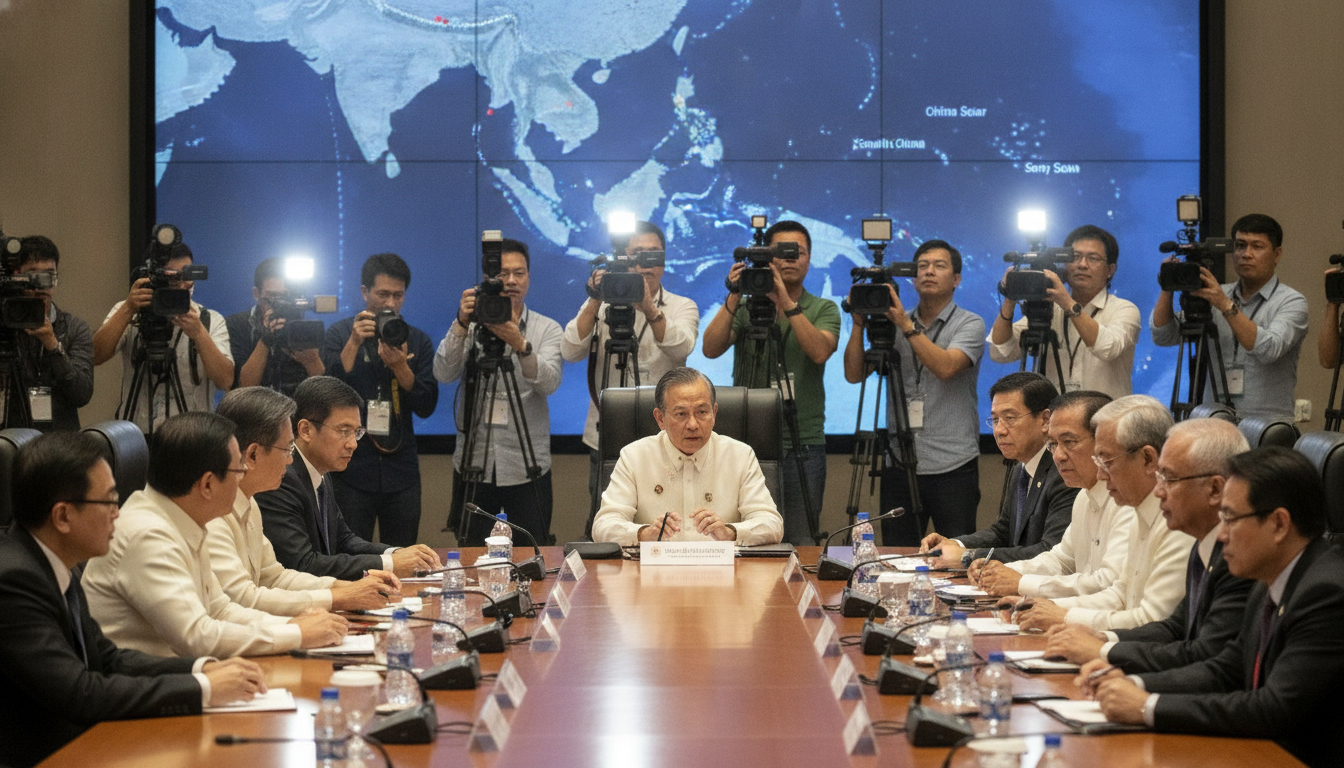
The incident comes as Manila hosts a high-profile gathering of foreign ministers this week, intended to address regional cooperation and security challenges. Delegates from Southeast Asia and many international partners are scheduled to attend, with maritime issues expected to be on the agenda.
Diplomats caution that the July 20 clash threatens to dominate discussions and could complicate efforts to advance cooperative measures. Several countries attending the meeting will balance calls for calm with statements defending freedom of navigation and adherence to international law.
Philippine Operational and Diplomatic Challenges
As the coastal state directly affected by the encounter, the Philippines faces an immediate operational imperative to protect its personnel while avoiding escalation. Maintaining logistical access to remote outposts such as Second Thomas Shoal has long been a sensitive task for Manila.
At the same time, hosting the diplomatic meeting puts additional political pressure on the government to both manage domestic expectations and preserve constructive dialogue with major powers. Manila’s role as a forum host gives it leverage to push for de-escalatory language, even as practical incidents continue at sea.
Regional Security and Economic Stakes
Maritime confrontations in the South China Sea carry outsized implications for regional security and trade, given the sea lane’s importance for commercial shipping and energy supplies. Governments across Southeast Asia are watching closely for signs that routine maritime friction could broaden into sustained confrontation.
Economic actors, from shipping companies to energy developers, prefer predictable seas; rising incidents inject uncertainty into supply chains and investment planning. Regional leaders are therefore under pressure to seek measures that reduce the frequency of close encounters at sea while keeping diplomatic channels open.
Calls for De‑Escalation and Multilateral Engagement
In response to the clash, regional officials and external partners are likely to press for calm and renewed dialogue at the Manila meeting. Proposals on the table among states in recent years have ranged from confidence-building measures to strengthened incident‑management mechanisms at sea.
Observers say progress will depend on whether major powers are willing to subordinate short-term rhetoric to practical arrangements that lower risks in contested waters. For claimsants and non‑claimants alike, the immediate challenge is to translate diplomatic statements into procedures that prevent accidental escalation.
The July 20 confrontation at Second Thomas Shoal has underscored the fragility of maritime stability in a region where routine operations intersect with great‑power rivalry, and the outcome of this week’s diplomatic meetings in Manila may help determine whether tensions ease or continue to flare.

