
Strait of Hormuz Declared Open for Commercial Shipping as Ceasefire Takes Effect
Iran and the United States say the Strait of Hormuz is open to commercial vessels during a 10-day ceasefire, prompting international coordination to secure passage.
Ceasefire Leads to Reopening Announcement
Iran’s foreign minister and the United States both announced that the Strait of Hormuz is open to merchant traffic following the entry into force of a 10-day ceasefire between Israel and Lebanon. The declaration, made publicly by Iran’s Abbas Araghchi and echoed by US President Donald Trump, signalled an immediate easing of one of the region’s most acute shipping risks. Officials framed the move as tied to the temporary halt in hostilities, while underscoring that operational details must still be clarified.
International organisations and maritime authorities said they would verify the conditions on the water before recommending routine transits resume. Shipping insurers and major carriers, meanwhile, said they would update their guidance only after receiving concrete assurances on safety and freedom of navigation.
Contradictory Signals from Tehran and Washington
Despite the headline announcements, state messaging from Tehran was mixed, with some military sources indicating restrictions or permission requirements for certain vessels. Iran’s official accounts noted that non-military ships could transit under conditions set by the Islamic Revolutionary Guard Corps’ naval command, creating ambiguity for operators. This internal variance raised immediate questions about who would control and guarantee safe passage along the strategic route.
On the US side, President Trump confirmed the strait was open but simultaneously said a naval blockade of Iranian ships and ports would remain in effect until a broader transaction between Washington and Tehran is complete. US statements suggested progress toward a diplomatic settlement even as elements of deterrence and pressure were maintained, underscoring a complex and conditional reopening.
Paris Summit Backs Multinational Maritime Role
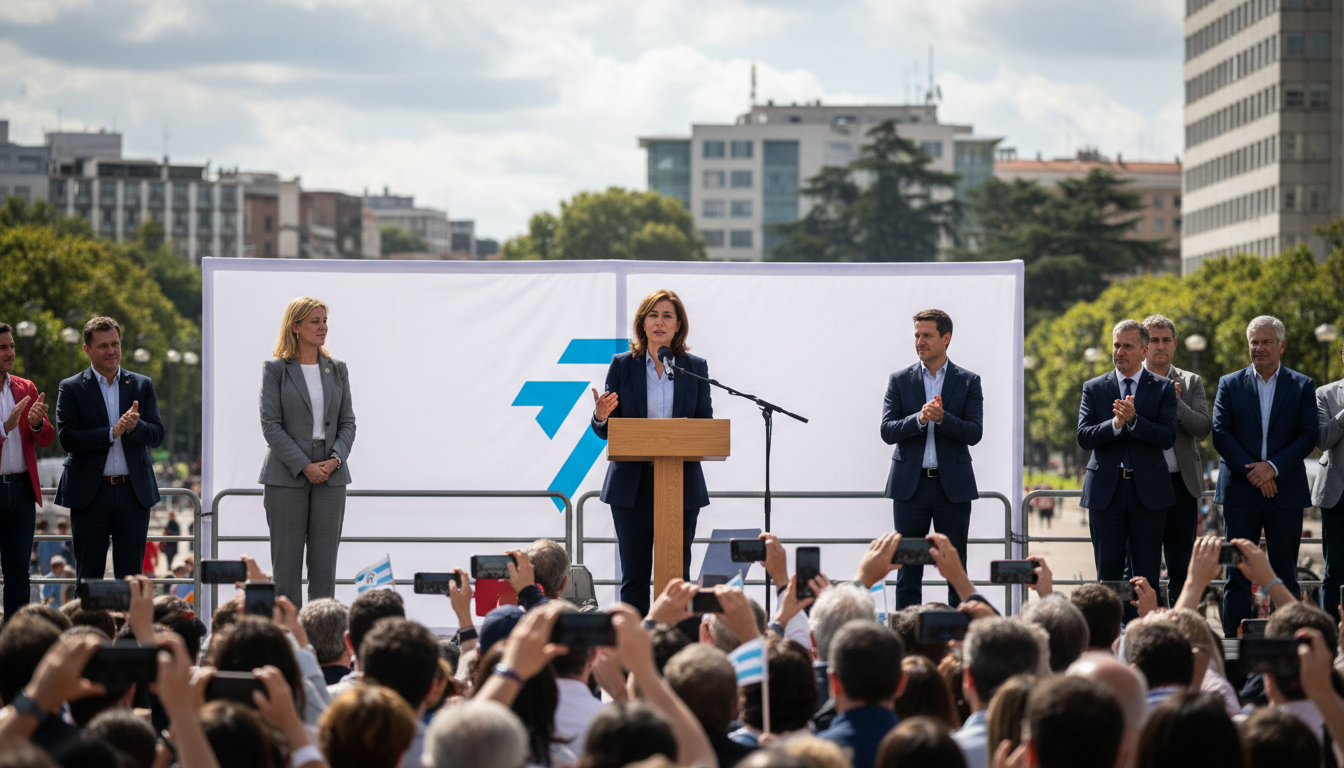
France and the United Kingdom convened a summit in Paris with roughly 30–40 countries to coordinate a response to the security crisis in the Strait of Hormuz. Attendees agreed to prepare roles for coalition members aimed at restoring and safeguarding freedom of navigation once hostilities subside. Proposed tasks included intelligence sharing, mine-clearance, escort duties and communication protocols with littoral states.
French President Emmanuel Macron emphasised opposition to any attempt to “privatise” or impose toll-like arrangements on the strait, while UK leaders promoted a “strictly peaceful and defensive” mission. Several European and NATO-aligned governments indicated readiness to contribute assets, subject to parliamentary approval and clear legal mandates.
Shipping Companies Urge Caution Before Resuming Transits
Major shipowners and carriers urged caution, saying operational and security uncertainties must be resolved before voyages resume through the strait. Industry groups highlighted concerns about mines, rules of engagement, and the practical implementation of any permission regime announced by Tehran. Several large operators, including lines with substantial tanker and container fleets, said they were conducting fresh risk assessments but would not immediately reroute vessels back through the waterway.
The Norwegian Shipowners’ Association and leading carriers noted that while reopening would be welcome for global supply chains, the safety of crews and cargo remains paramount. Statements from commercial shippers reflected a readiness to follow verified guidance from security partners and maritime authorities before altering voyage plans.
Markets Reacted Quickly to Reopening Claims
Global oil and fuel markets responded quickly after Iran’s announcement, with prices retreating on hopes of restored flows through the strait, which typically carries about one-fifth of daily crude shipments. Analysts described the news as the most significant development since the ceasefire took effect, and traders priced in a reduced risk premium for crude supplies. Market commentators stressed, however, that sustained price effects would depend on whether the reopening proved durable and was supported by clear operational guarantees.
Energy firms and commodity strategists added that even a temporary reopening can ease short-term supply concerns, but long-term market stability will hinge on follow-through by regional powers and the establishment of reliable, multinational security arrangements.
International Verification and Next Steps
The United Nations and the International Maritime Organization moved to validate the reopening announcement and its compatibility with freedom of navigation for all merchant vessels. UN Secretary-General Antonio Guterres welcomed the development as a step in the right direction, while the IMO said it was verifying whether the conditions met international standards for safe and unobstructed passage. Such verification will be a critical prerequisite for insurers and carriers before normal transit resumes.
Several countries signalled readiness to contribute practical capabilities, including mine-clearing and naval escorts, but many also called for a clear legal basis — with Germany specifically citing the need for parliamentary backing or a UN mandate. Observers warned that stabilising traffic through the strait will require a combination of diplomatic guarantees, transparent procedures, and on-the-water confidence-building measures.
The announcement marks a tentative yet consequential shift in a region where maritime chokepoints exert outsized influence on global trade and energy markets.

