
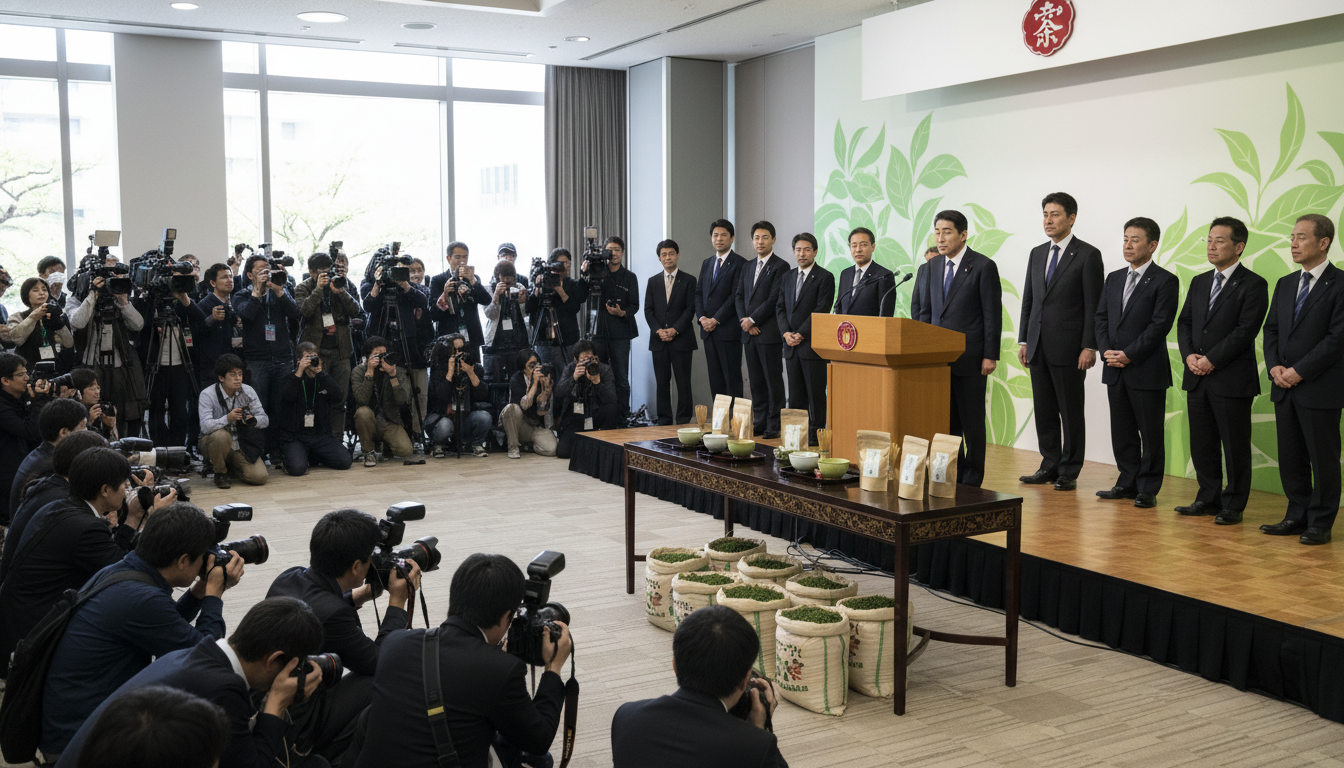
Tokyo bets on matcha to preserve threatened tea fields
Tokyo backs matcha production to save threatened tea fields, offering subsidies, training and export support to help farmers tap rising overseas demand.
Tokyo Metropolitan Government has launched an initiative to encourage local growers on the capital’s urban fringe to switch from sencha to matcha production in a bid to preserve dwindling tea landscapes. The move responds to aging farm populations and mounting development pressure, and seeks to harness growing overseas demand for matcha as a lifeline for threatened tea fields. Officials say the package combines financial incentives, technical training and marketing support to make matcha cultivation a viable business for smallholders.
Matcha campaign targets urban-fringe tea farms
The metropolitan initiative is focused on areas where orderly rows of tea bushes are being replaced by housing lots as farmers retire. City authorities have flagged that without intervention, many parcels of productive land could be lost to development, accelerating the decline in local tea production.
By promoting matcha — a powdered, shade-grown green tea with strong international recognition — the government hopes to create higher-value opportunities that justify keeping land in cultivation. Officials argue that matcha’s higher retail prices and growing export markets can make small-scale farming more economically sustainable than traditional sencha production.
Farmers face aging, land loss and changing tastes
Local farmers describe an increasingly difficult environment: an aging workforce, shrinking household sizes, and younger generations reluctant to return to agriculture. At the same time domestic demand for loose-leaf sencha has softened, reducing incomes for producers who have relied on traditional markets for decades.
These pressures have combined to make land conversion attractive to owners and developers, particularly on the edges of Tokyo’s built-up areas where property values are rising. The metropolitan plan aims to offer an alternative by helping farmers capture value from a global trend toward matcha in beverages, desserts and health products.
Support measures include subsidies, training and processing help
Under the program, the metropolitan government says it will provide targeted subsidies to offset initial costs of changing cultivation methods, such as shading, leaf selection and equipment for stone-grinding or collaboration with processors. Extension services and workshops will train growers in matcha-specific agronomy and quality control, emphasizing the leaf handling required to produce the bright green powder consumers expect.
Planners also intend to help smallholders access shared processing facilities and cooperative marketing channels to overcome scale barriers. By lowering upfront investment and technical hurdles, authorities hope to accelerate the conversion of suitable plots and improve product consistency for both domestic and export markets.
Marketing push aims at overseas matcha enthusiasts
A cornerstone of the strategy is an aggressive marketing and export support effort aimed at capitalizing on matcha’s popularity abroad. Tokyo officials expect overseas demand — from cafés, manufacturers and health-conscious consumers — to provide a steady market that rewards quality and traceability.
The campaign will emphasize Tokyo-grown matcha’s provenance and small-batch production to differentiate it from larger regional brands. Tourism-linked promotions and partnerships with foreign distributors are also planned to connect international consumers with tea fields that might otherwise disappear.
Economic and environmental trade-offs under scrutiny
Experts caution that switching to matcha is not a silver bullet. Producing high-grade matcha requires intensive cultivation practices, precise timing, and investment in processing, which may not suit every farm or patch of land. There are also concerns about the long-term viability of relying on export demand, which can be volatile and influenced by changing tastes.
Environmental considerations are part of the debate as well, since shading techniques and altered management practices affect biodiversity and water use. Tokyo’s plan will need to balance intensification with measures to sustain soil health and landscape value if tea fields are to remain viable assets for local communities.
Outlook for tea landscapes and local communities
If the metropolitan push succeeds, it could slow the conversion of tea lands to housing and retain agricultural activity in peri-urban districts. That outcome would preserve not only productive land but also a cultural landscape associated with centuries of tea cultivation on the outskirts of the capital.
However, success depends on coordinated delivery of subsidies, technical assistance, reliable processing infrastructure and steady market channels. Farmers, local governments and private sector partners will need to move quickly to translate overseas appetite for matcha into stable incomes that make farming an attractive choice for the next generation.
The effort to pivot from sencha to matcha reflects a pragmatic response to demographic and market shifts, aiming to safeguard Tokyo’s tea fields by linking cultivation practice to contemporary demand. If matcha can provide the economic incentive to keep fields in production, the capital’s threatened tea landscapes may yet have a sustainable future.

