
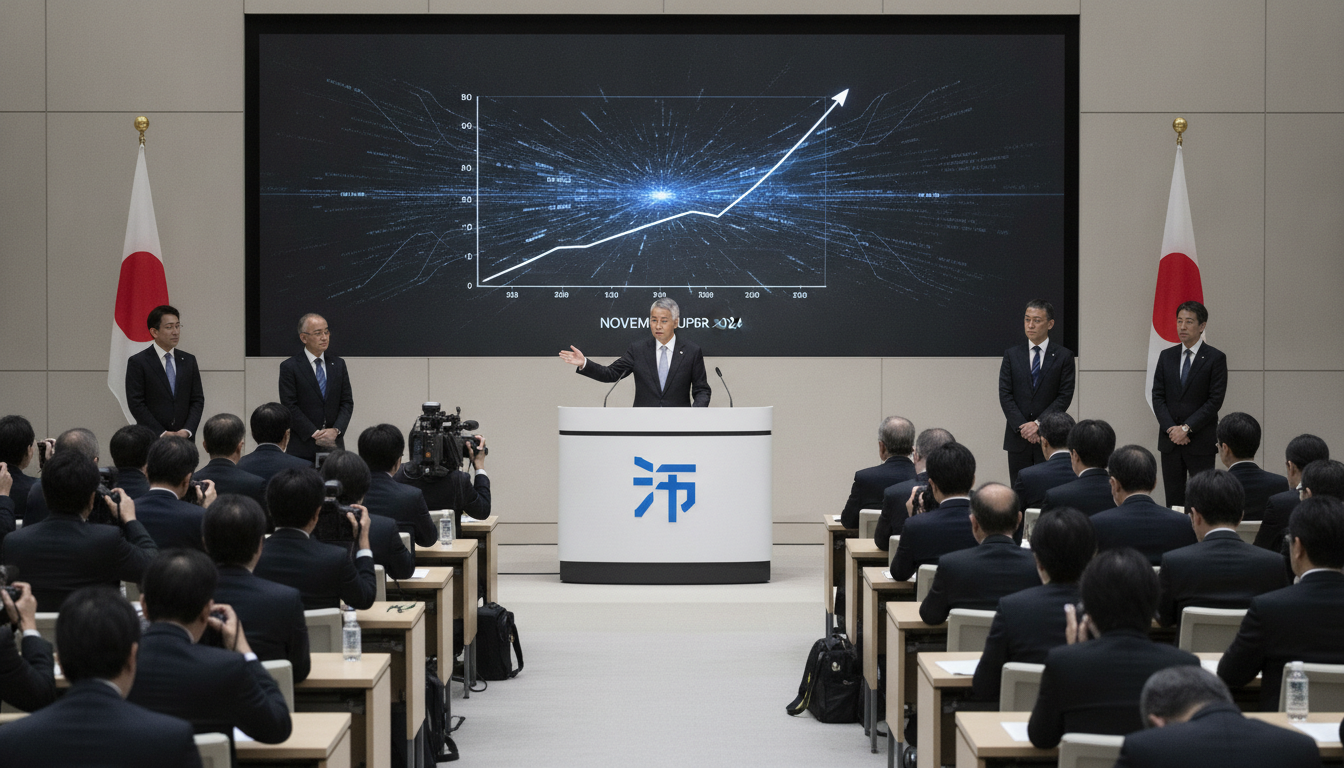
TSE trading system upgrade set for November as overseas flows nearly double June volumes
TSE will roll out a major trading system upgrade as early as November to nearly double processing capacity amid a surge in overseas investor trading activity.
The Tokyo Stock Exchange will implement a major trading system upgrade as early as November, aiming to nearly double order processing capacity to handle a sharp rise in trading volumes driven by overseas investors. The TSE trading system upgrade responds to a month-on-month jump in activity, with transactions in June reported to have almost doubled year-on-year. Exchange officials framed the work as the biggest single system update to date, intended to strengthen market capacity and resilience.
Upgrade timeline targets November rollout
The exchange said the program could begin as early as November, marking an accelerated timetable for core infrastructure work that market participants have long requested. Project planners cited the urgent need to expand throughput after the surge in activity, particularly from non-domestic accounts, to prevent congestion during peak trading sessions.
Officials will focus initial efforts on increasing processing headroom and streamlining order-matching routines before rolling out additional features. The November target remains contingent on the completion of internal testing and coordination with brokers and global custodians ahead of the live switch.
Capacity to nearly double order processing
Engineers designing the upgrade aim to almost double the system’s processing capacity, a move intended to accommodate higher message traffic and larger order books. The upgrade will increase the number of transactions the matching engine can handle per second and reduce latency for order acknowledgement.
The capacity gains will be achieved through hardware modernization and software optimizations, according to descriptions provided by exchange sources. The changes are expected to improve execution quality for both domestic and international investors and reduce the likelihood of delayed fills during volatile sessions.
June trading spike driven by overseas investors
June trading volumes on the Tokyo bourse surged, with transaction counts nearly doubling year-on-year, a development the exchange has linked to renewed interest from overseas investors. Data cited by market observers point to heavier flows into Japanese equities as foreign asset managers recalibrated portfolios amid shifting global rate and growth expectations.
Analysts say the spike reflects a mix of long-only allocations, quantitative trading strategies and increased participation by global derivatives desks. That mix has raised peak messaging loads on the exchange, prompting calls for a capacity boost to prevent bottlenecks when multiple participants submit large numbers of orders simultaneously.
Market participants and broker expectations
Brokers and electronic trading firms welcomed the proposed upgrade, saying it would enhance market reliability and competitiveness against other major bourses in Asia. Trading firms noted that higher capacity and lower latency could attract additional liquidity providers and narrow bid-ask spreads during stressed market conditions.
Some sell-side firms urged the exchange to publish a detailed migration calendar and to provide extended testing windows to integrate broker systems. Custodians and overseas brokers also requested clear cutover protocols to ensure client orders and settlement processes are unaffected during the transition.
Testing, contingency and operational risk
Exchange officials have signaled that extensive testing will precede the rollout, including simulated peak loads and staged integration trials with primary market participants. Contingency planning will address fallback procedures, synchronised cutover steps and communication channels for incident response.
Operational risk remains a central concern given the scale of change and the global reliance on Tokyo as an Asian trading hub. Market operators plan to maintain parallel environments and rollback options during the initial days of live operation to limit any disruption to trading and clearing.
Implications for Tokyo’s global market role
A successful upgrade could bolster Tokyo’s appeal to international investors by offering faster, more resilient trading infrastructure amid an increasingly competitive regional landscape. For the TSE, improved capacity supports ambitions to handle larger volumes from passive managers, high-frequency traders and cross-border flows without service degradation.
The move also aligns with broader efforts to modernize Japan’s financial infrastructure, including post-trade systems and connectivity to global settlement networks. Market participants say those enhancements are critical if Tokyo is to maintain and grow its share of international equity trading.
The exchange emphasized that the upgrade is the largest system update in its history and is intended to provide the technological foundation for future service enhancements. Stakeholders across the trading ecosystem will be watching the months ahead as formal testing schedules and precise cutover dates are released.

