
Uniqlo suppliers shift production to Southeast Asia as China’s import share falls
Uniqlo suppliers and other apparel manufacturers are increasingly shifting production to Vietnam, Indonesia and other Southeast Asian countries as China’s share of Japan’s textile imports fell below 50% in 2025.
China’s share of Japan’s textile imports dips under 50% in 2025
Japan’s textile import patterns changed markedly in 2025 when China’s share dropped below half of total apparel imports, industry figures show. The decline reflects a combination of rising Chinese labor costs, evolving trade preferences and a strategic response by brands and contract manufacturers. Companies that historically concentrated production in China for Japanese retailers have accelerated diversification to spread risk and capture lower-cost labor markets.
Manufacturers expand in Vietnam and Indonesia
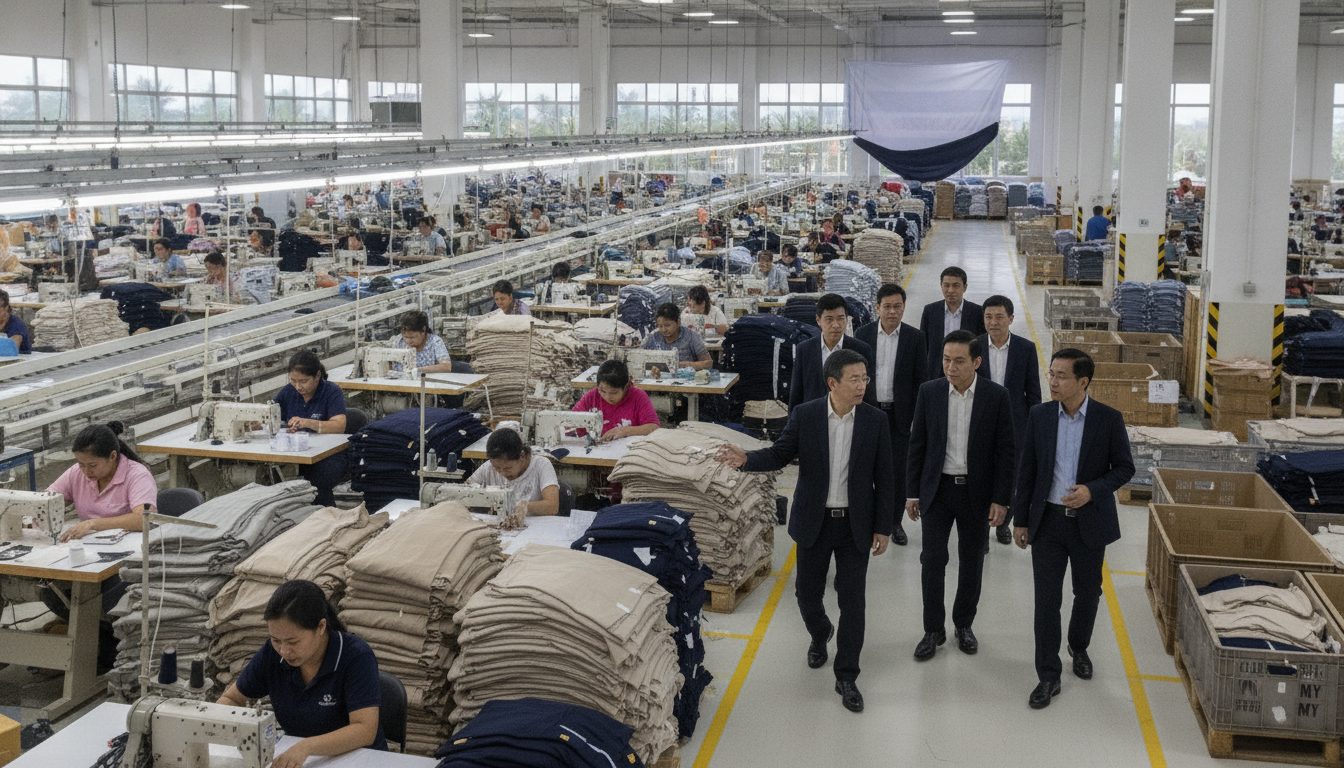
Several major manufacturers supplying Uniqlo and other global brands have expanded capacity in Vietnam and are now investing in Indonesia, among other Southeast Asian locations. Factories in Vietnam have grown output for both fabric cutting and garment assembly, while new facilities in Indonesia are being planned or built to handle additional order volumes. These moves are often accompanied by investments in local training and logistics to ensure quality standards and lead-time management comparable with Chinese operations.
Rising Chinese labor costs and geopolitical concerns
A principal driver of the shift is the steady rise in labor costs in China, which has narrowed the price advantage Chinese plants once held. In parallel, companies report growing concern about geopolitical and trade tensions that can disrupt supply chains and increase compliance burdens. Firms seeking to reduce concentration risk say spreading production across multiple countries makes procurement more resilient and predictable during periods of diplomatic friction or sudden policy changes.
Uniqlo suppliers diversify production networks
Uniqlo suppliers in particular have been notable early movers, deploying a multi-country sourcing strategy that blends China, Vietnam, Indonesia and South Asia. Suppliers cite the need to align with Fast Retailing’s global sourcing goals while maintaining competitive pricing for core product lines. Diversification efforts include reallocating certain labor-intensive items to lower-cost locations and keeping more technically complex or high-value production closer to existing expertise in China.
Operational challenges and adjustments at factories
Shifting production brings operational challenges, from maintaining consistent quality control to managing variable infrastructure and regulatory environments. Manufacturers report increased spending on quality assurance, worker training and local management, as these factors are crucial to meeting brand standards. Logistics networks also require adaptation, with longer shipping routes and new customs procedures adding to planning complexity even as unit labor costs fall.
Implications for Japanese brands and the wider supply chain
For Japanese retailers and brands, the redistribution of manufacturing has implications for cost structure, inventory planning and sustainability reporting. Lower input costs can improve margins, but supply-chain fragmentation may increase lead-time variability and require more sophisticated inventory buffers. Additionally, brands are under pressure from consumers and regulators to ensure labor rights and environmental compliance across an increasingly dispersed supplier base, which can raise compliance costs even as unit production becomes cheaper.
Looking ahead, technology and automation will play a balancing role as companies weigh higher initial investment against long-term labor cost savings and supply-chain stability. Some suppliers may maintain a presence in China for high-tech or capital-intensive processes while routing bulk production elsewhere. Policymakers in Southeast Asia are likely to monitor these investments closely for their employment and industrial development impacts.
The ongoing shift in apparel sourcing underscores a broader global rebalancing in manufacturing as suppliers and brands adapt to new economic realities, regulatory pressures and strategic priorities in the post-2024 landscape.

