
U.S. and Iran Agree to Attack Halt, Set Doha Talks on Strait of Hormuz
U.S. and Iran agree to an attack halt after exchanges in late June; officials will meet in Doha on June 30 to discuss the Strait of Hormuz and protect shipping.
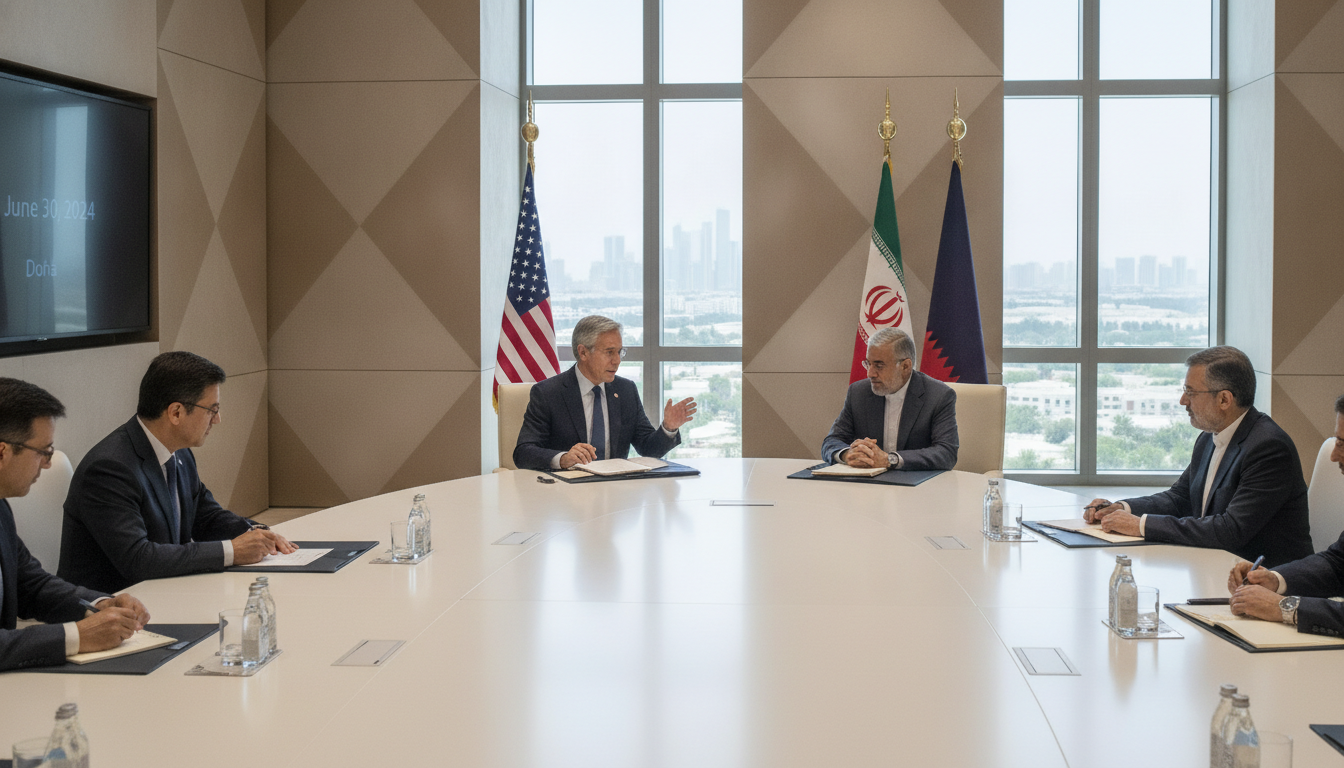
The United States and Iran have agreed to halt attacks following a series of strikes and counterstrikes late in June, U.S. officials and media reports said, marking a tenuous step back from direct confrontation. The reported attack halt precedes planned talks in Doha on June 30 focused on the Strait of Hormuz, a strategic chokepoint for global trade. The development comes after U.S. forces said they struck Iranian military targets in response to an alleged attack on a commercial vessel on June 26, and Iran launched retaliatory actions in the days that followed.
Agreement Reported by U.S. Media
U.S. media outlets reported on June 28 that senior American officials conveyed an agreement with Tehran to stop offensive operations for the time being. According to those officials, both sides consented to refrain from further strikes and to work to ensure commercial vessels can transit the Strait of Hormuz without interference. The arrangement was described as limited and conditional, aimed at preventing an immediate escalation while diplomatic channels open.
Planned Doha Talks on June 30
Diplomatic sources indicated that delegations from Washington and Tehran are expected to meet in Doha on June 30 to discuss maritime security and rules of engagement in the waterway. Qatar’s capital has been selected as the venue for the talks, reflecting its role as a regional interlocutor in recent crises. Officials said the agenda is likely to center on measures that would reduce the risk to merchant shipping, establish de‑escalation protocols, and clarify what each side will consider unacceptable behavior at sea.
Sequence of Strikes and Retaliations
The latest round of hostilities began on June 26 when U.S. forces reported that a vessel transiting the Strait of Hormuz was attacked, prompting strikes on Iranian military targets inside Iran. Iran subsequently carried out retaliatory actions, and exchanges continued into the early hours of June 28, according to military statements. The rapid succession of incidents underlined how quickly maritime incidents can escalate into direct military responses from both capitals.
Military Evidence and Public Statements
U.S. Central Command posted video and other material on social platforms documenting the June 26 strikes, and U.S. officials briefed media on the operational rationale for their actions. Iranian authorities described their responses as proportionate countermeasures to what they characterized as aggression against sovereign territory and interests. Both sides have framed their moves within the language of self‑defense, while signaling a willingness, at least temporarily, to step back from continued kinetic exchanges.
Implications for Commercial Shipping
The reported attack halt and upcoming Doha talks aim first and foremost to reduce disruptions to commercial shipping, which has faced heightened risks in the Gulf since the exchanges began. Shippers, insurers and maritime operators have closely watched the situation as insurers adjust premiums and some companies alter routes or employ naval escorts. Any durable agreement would be significant for energy markets, maritime insurance costs and the broader flow of goods through a corridor that carries a substantial share of global oil and gas shipments.
Regional Diplomatic Stakes
Beyond immediate maritime safety, the pause in attacks carries wider diplomatic consequences for Gulf states and global powers with interests in the region. Neighboring countries and international organizations have urged restraint and called for negotiation to prevent spillover into a larger regional conflict. The Doha talks will test whether short‑term tactical pauses can be translated into practical arrangements and verification measures acceptable to both Washington and Tehran.
The reported agreement to halt attacks is fragile and contingent on both sides honoring the temporary restraint as negotiations proceed in Doha on June 30. Observers caution that a single miscalculation at sea could still reignite hostilities, so diplomats and naval commanders will face pressure to rapidly define clear, verifiable channels for communication and incident management. Continued monitoring of the Strait of Hormuz and timely reporting from the upcoming talks will determine whether the truce holds and whether a framework can be built to prevent future escalations.

