
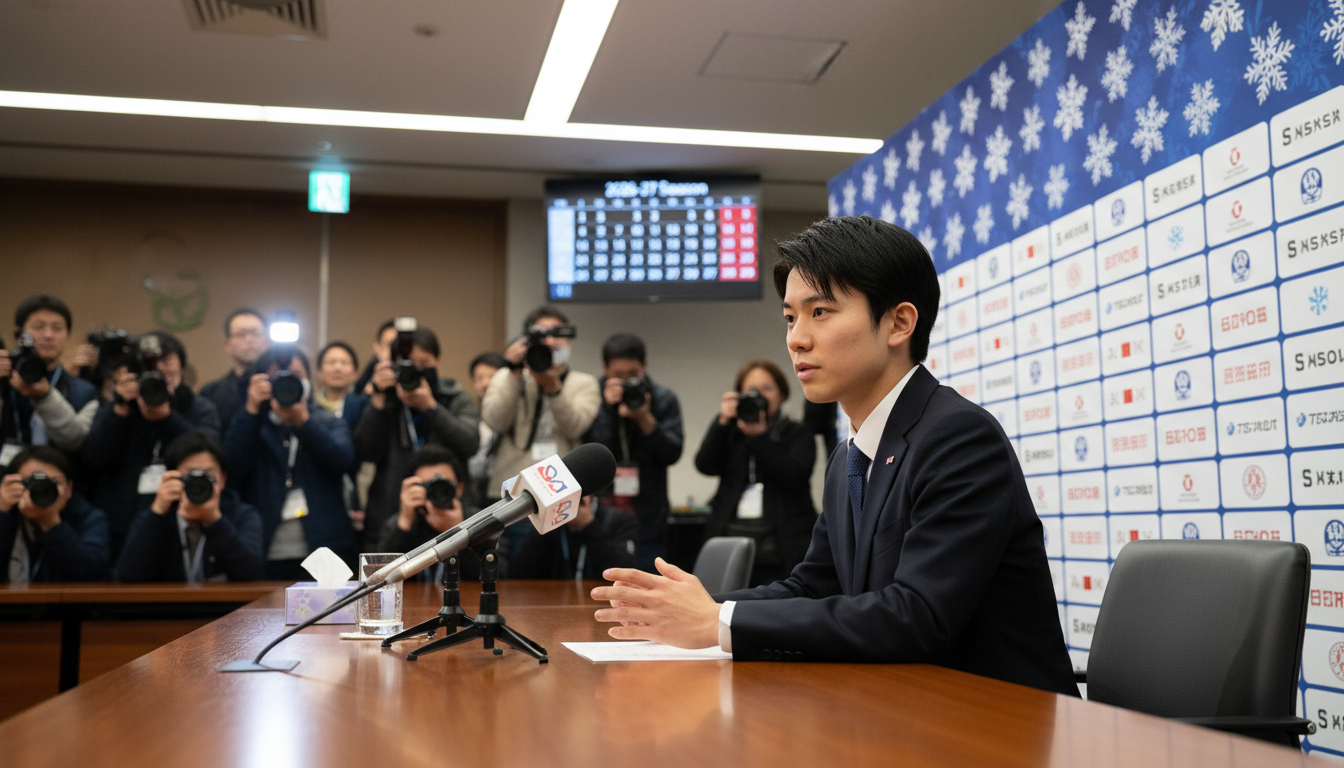
Yuma Kagiyama to Pause Competitive Skating for 2026–27 Season
Yuma Kagiyama will take a planned break from competition in the 2026–27 season to "rediscover what makes figure skating so special" after a silver-medal finish at the 2026 World Championships. The 22-year-old Japanese skater, a four-time Olympic silver medalist from the 2022 and 2026 Games, said he will step away from contests while remaining active in ice shows and project work.
Kagiyama Announces Hiatus for 2026–27 Season
Yuma Kagiyama announced his decision on social media, saying the upcoming season will be a pause from competitive events. He framed the step as intentional time to reflect, recharge and explore new challenges beyond the demands of the Grand Prix circuit and championship calendar.
The announcement follows a season in which Kagiyama remained among the sport’s top contenders and doubled down on his commitment to long-term development. He emphasized that the hiatus is not a retirement, and that fans should expect to see him perform in non-competitive settings.
Performance at the 2026 World Championships
Kagiyama closed his season with a silver medal at the 2026 World Figure Skating Championships, finishing with a total score of 306.67. He rose from sixth after the short program to deliver an elegant free skate set to Christopher Tin’s "Turandot Finale," securing second place behind U.S. skater Ilia Malinin.
Judges and commentators noted the technical precision and artistic maturity of his free skate, which contrasted with inconsistencies earlier in the season. The result capped a campaign that included Olympic silver medals in both the individual and team events at the 2022 and 2026 Winter Games.
Stated Reasons for the Break
Kagiyama said recent seasons had brought "many frustrations and difficult moments," and that the decision to step back reflects a need to reconnect with the joy of skating. He wrote that the season "felt long, yet short, yet long again — a season full of ups and downs" and expressed a desire to use the hiatus for personal reflection and skill renewal.
The skater’s statement framed the break as restorative rather than punitive, aimed at preserving his longevity in the sport. Coaches and close associates typically characterize such sabbaticals as opportunities to rebuild training foundations, address injury risks, or refine technical content without competition pressure.
Planned Activities During Hiatus
While Kagiyama will not enter competitions in 2026–27, he pledged to remain visible on the ice through planned projects and exhibition skating. He indicated that there are "a few projects in the works" and confirmed he will participate in ice shows and special events, offering fans regular opportunities to see him skate.
Industry sources say top skaters often use competitive breaks to choreograph new programs, experiment with technical elements, or work with new coaches and creative teams. For sponsors and organizers, such appearances maintain an athlete’s public profile and can provide a steadier performance income than the uncertain rewards of competition.
Implications for Japan’s Competitive Lineup
Kagiyama’s absence from the 2026–27 season will affect Japan’s roster selections for international events and may create opportunities for emerging national skaters. Japan has a deep field in men’s figure skating, and federations typically use domestic competitions and selection camps to fill entry spots at ISU events.
National team officials will need to reassess assignments for international championships and consider how to allocate Olympic-qualification opportunities in the next cycle. Coaches of younger skaters are likely to view the vacancy as a chance to gain experience on the senior stage and to test themselves against established rivals.
Reaction and Wider Context
Reaction from fans and fellow athletes was measured and supportive, with many expressing understanding of the need for mental and physical rest. The broader figure skating community has seen similar pauses from elite competitors in recent seasons, reflecting evolving attitudes toward athlete welfare and sustainable career planning.
Kagiyama’s choice comes amid growing attention to long-term athlete management, including scheduled breaks to prevent burnout and to create space for creative growth. His decision may influence how other top skaters and national federations approach season planning in the years ahead.
Yuma Kagiyama’s break will remove a frequent podium contender from the competitive landscape for one season, but his commitment to return and to remain engaged with fans through shows and projects suggests he intends to preserve his competitive future while recalibrating his approach to the sport.

