
Panini World Cup stickers set for biggest challenge as 2026 tournament expands
Panini World Cup stickers return for the expanded 2026 tournament in the US, Canada and Mexico, raising costs and fueling global collecting and trading fervor.
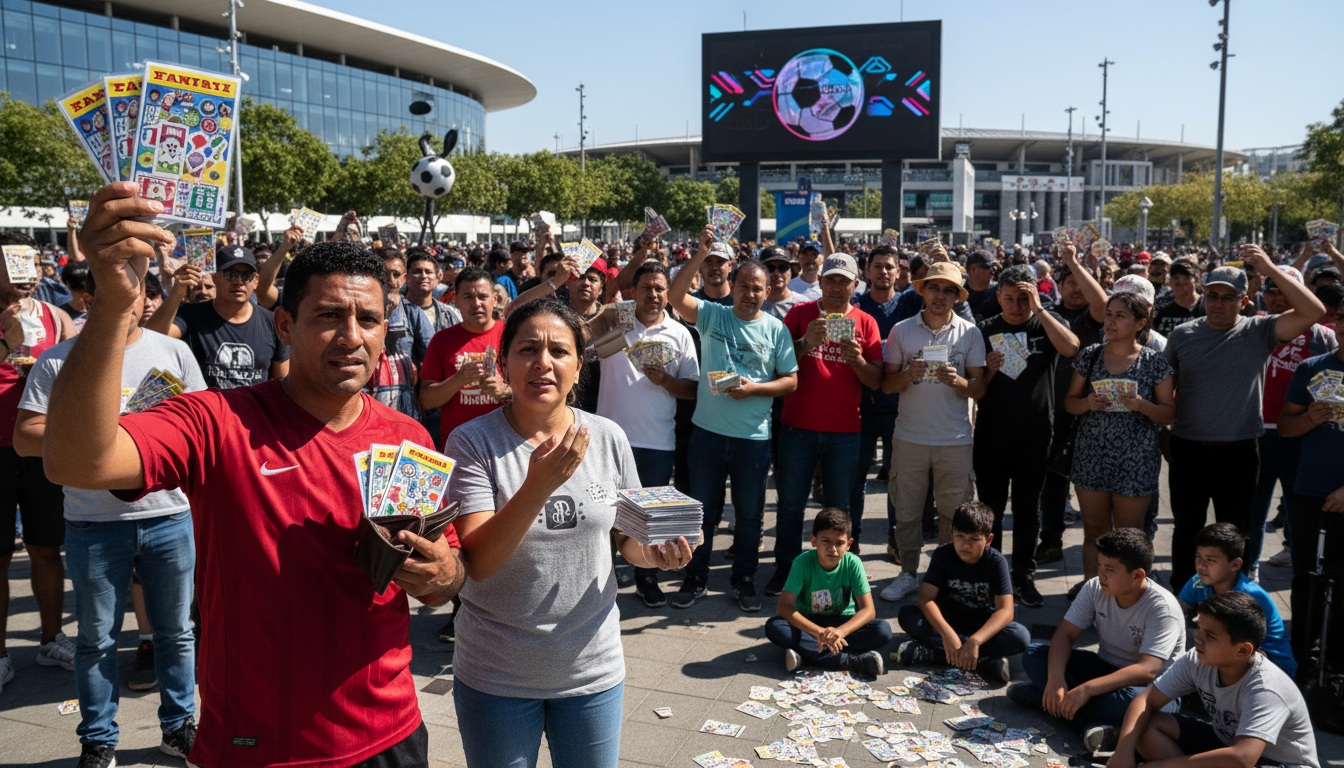
For generations, Panini World Cup stickers have been a ritual for young fans and collectors around the globe, and the 2026 edition promises to be the most demanding yet. With the tournament staged across three countries and featuring an expanded field, completing the official album has become a far larger logistical and financial challenge. The familiar scenes of children swapping duplicates on playgrounds and collectors hunting rare inserts are expected to intensify as the event approaches. Panini’s long-running tradition, begun with its first World Cup collection in 1970, remains central to football fandom worldwide.
Panini’s Sticker Legacy Since 1970
Panini first issued a World Cup sticker collection for the 1970 tournament in Mexico, creating a pastime that spread quickly from Europe to South America and beyond. The album format — portraits of players, team crests and action images — became a seasonal obsession, woven into the culture of youth sport and fandom. That early success established Panini as synonymous with World Cup collecting and set expectations for each subsequent tournament release. Over decades, completing the album has been as much about social exchange as it is about collecting.
Playground Trading and Social Rituals
Sticker swapping has long been a social ritual, with playgrounds, schoolyards and local shops serving as informal trading hubs. Children learn negotiation and camaraderie as they exchange duplicates, and parents often chip in to help fill persistent gaps. Those rituals create memories that persist into adulthood, where nostalgia drives some collectors to chase long-missing stickers from earlier editions. The communal aspect of trading is part of the product’s appeal and helps explain why Panini albums remain relevant across generations.
Scale and Complexity of the 2026 Album
Organizers and collectors alike say the 2026 album will be more complex than ever, mirroring the expanded tournament footprint and larger pool of participating players. The expansion means more teams, more squads to represent and a longer list of faces to find and affix into the album. That expanded scope stretches supply chains and raises the probability that some stickers will be harder to find in ordinary retail packs. For many collectors, the sheer number of stickers to collect transforms a familiar hobby into a major undertaking.
Financial Burden for Families and Collectors
Completing a Panini album has always cost money, but the projected scale of the 2026 collection raises the likely expense for casual collectors and families. Many parents and guardians say they are bracing for higher spending on packs and top-up purchases as children try to complete the set. The cost factor may shift collecting behavior, encouraging more swapping and bulk purchasing or driving participants toward secondary markets where single stickers are sold. For some households, sticker collecting will remain a manageable pastime; for others, it will require a real budget decision.
Secondary Markets and Collector Strategies
As demand outstrips supply, secondary markets for individual stickers and rare inserts tend to grow. Online platforms, local markets and specialist dealers can provide missing pieces but often at a markup. Experienced collectors recommend organized trading events, community swap groups and pooling resources as cost-effective strategies. Others advise setting realistic goals — for example, focusing on favorite teams rather than the entire album — to preserve the fun of collecting without succumbing to expense and frustration.
Panini’s Cultural and Commercial Role
Beyond its commercial success, Panini’s album acts as a cultural artifact, documenting squads and moments that fans will revisit for years. The album functions as both a keepsake and a social currency among fans, creating touchpoints for conversation during and after the tournament. Panini’s continued role in producing these albums reinforces its position at the intersection of sport, commerce and childhood ritual. Even as the format evolves, the core pastime — opening packs, comparing photos and completing pages — remains remarkably stable.
Collectors, parents and football fans are already anticipating the rhythm of the 2026 campaign: the opening of the first packet, the thrill of a new face in the album, and the many swaps that follow. For this generation, Panini World Cup stickers will offer both a nostalgic continuity and a fresh logistical test. Whether in schoolyards or online groups, the hunt for the missing sticker will once again be a defining part of World Cup summer.

