
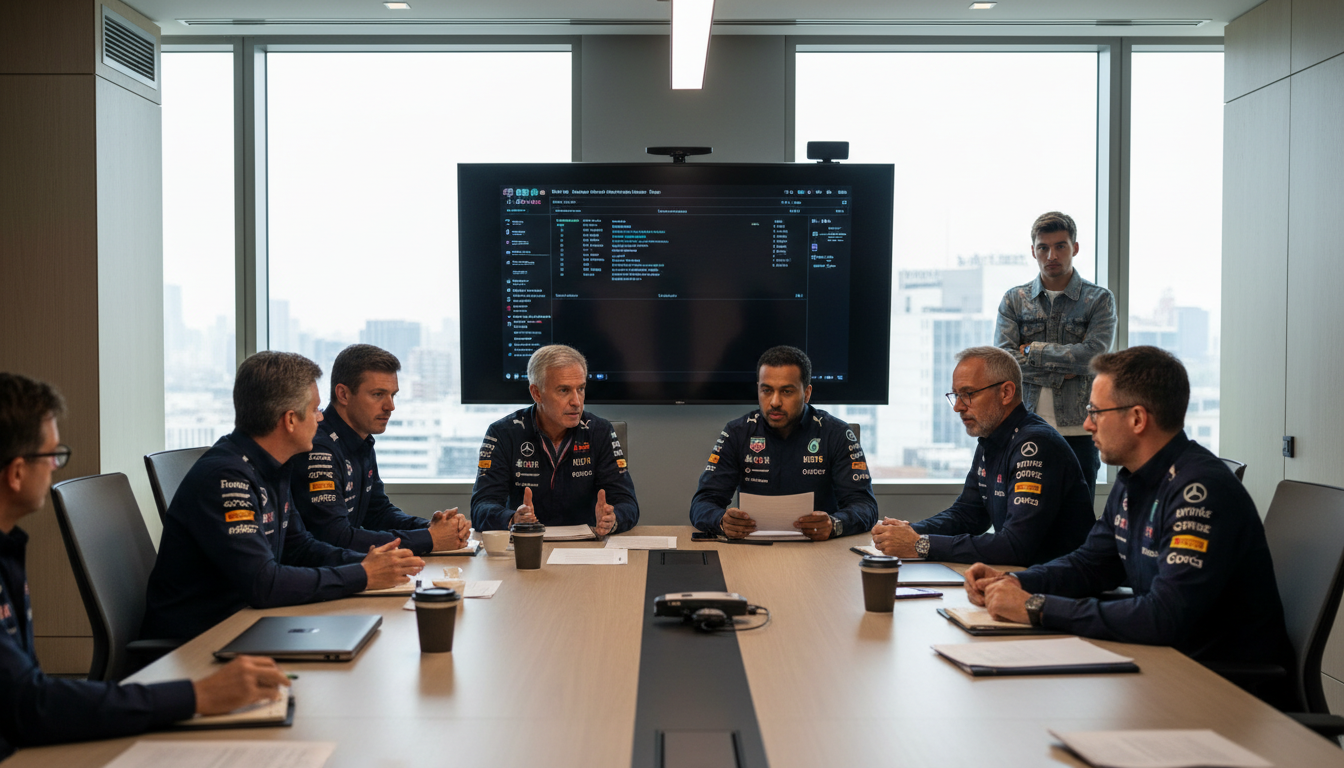
Formula One rule changes to be revised after unanimous approval by F1 chiefs
F1 chiefs have unanimously approved revisions to the Formula One rule changes after widespread criticism, with amendments aimed at battery-management and boost-system mechanics that disrupted qualifying and race tactics.
The sport’s governing body moved on Monday to revise Formula One rule changes introduced this season that forced drivers to manage hybrid battery energy and rely on temporary boost functions. The new regulations had required drivers to conserve battery charge during qualifying laps, altering lap strategy and racecraft and prompting intense criticism from competitors and teams. Four-time world champion Max Verstappen publicly described the new format as "a joke" after the Chinese Grand Prix and warned he might take a break from the sport in 2027 unless changes were made.
FIA Board Unanimously Agrees to Amend Regulations
The FIA and senior Formula One officials said the decision to change the rules was unanimous, reflecting concern that the current setup detracted from on-track action. Members cited fan feedback and driver safety as central reasons to accelerate revisions. The amendment process will involve both the sporting and technical branches of the sport’s governance.
Teams were notified that the board has instructed technical working groups to draw up specific adjustments, and those recommendations will be reviewed at upcoming meetings. Officials said the goal is to restore clear competitive incentives while preserving the broader transition to hybrid power units.
Battery Management and Qualifying Mechanics Under Scrutiny
Critics argued that the requirement for drivers to manage battery charge during qualifying produced artificial slow zones and distorted what had traditionally been a pure performance lap. Under the revised regulations, a driver’s energy allocation had to be conserved, leading to deliberate throttling on hot laps and undermining the spectacle of head-to-head speed. The introduction of tactical boost buttons intended to generate overtaking opportunities instead prompted confusion over when and how drivers should deploy stored power.
Engineering directors told reporters that the balancing act between preserving hybrid development and maintaining sporting integrity had not been achieved under the current formula. The revisions under discussion aim to simplify energy allocation and remove perverse incentives that reduced full-throttle laps in qualifying.
Drivers and Teams Voice Broad Dissatisfaction
Several high-profile drivers expressed frustration in the weeks following the rule rollout, with Verstappen’s comments at Shanghai crystallising broader unease. Team principals also signalled that the technical complexity had shifted resources toward software and energy management rather than mechanical performance and aerodynamic development. Sources close to multiple teams said the mood in the paddock had become strained as engineers scrambled to adapt to the hybrid-driven strategic demands.
Teams emphasized that they supported the sport’s technological direction but wanted regulations that rewarded driver skill and produced clear, fair racing. Officials indicated teams would be consulted on drafting amendments to ensure changes are technically feasible and do not unduly advantage particular car concepts.
Technical Revisions Under Consideration by Engineering Panels
Engineers and technical delegates are evaluating specific fixes, including revised energy allocation windows, limits on boost duration and power, and changes to the way harvest and deployment are measured. Proposed options range from modest calibration adjustments to more fundamental alterations that would decouple qualifying energy rules from the race deployment profile. Technical committees will model impacts to guard against unintended consequences for lap times, tyre wear and engine reliability.
Any change will require careful testing and homologation to ensure fairness across the grid and to avoid destabilizing development plans already under way. The FIA has indicated it will prioritise straightforward, fast-to-implement solutions for the short term while scheduling deeper changes for a longer-term regulatory cycle.
Sporting Implications for Championship Dynamics and Spectacle
Race strategists warn that adjustments to the hybrid system could alter how teams approach qualifying trim, race fuel strategies and overtaking windows. If boost deployment is curtailed or standardised, teams that had adapted quickest to the original rules may need to rethink upgrade paths. Fans and broadcasters raised concerns that the initial rules reduced drama, and organisers now see clarifying the spectacle as a priority to protect commercial and audience interests.
Championship narratives could shift if the rule changes level tactical anomalies that benefited or punished certain teams during recent events. Officials also noted the importance of communicating changes clearly to avoid confusion among spectators and media covering the season.
Timeline for Implementation and Governance Oversight
The FIA plans to fast-track a technical bulletin outlining interim adjustments within weeks, with formal regulatory text to follow after consultation with teams. Longer-term amendments that require technical validation will be scheduled through the standard regulatory approval process, which includes consultation periods and potential ratification at plenary meetings. Oversight will involve liaison between the sport’s technical advisory groups and the sporting stewards to monitor the on-track effects.
Championship organisers said they will publish timelines and explanatory materials so teams, drivers and fans understand the scope and rationale of each change. The unanimous nature of the board’s decision underscores a collective will to restore competitive clarity while preserving the sport’s transition to hybrid power.
The decision to revise the Formula One rule changes marks a swift response from sport leaders to competitor and fan concerns, and stakeholders will now look for concrete rule text and implementation dates that balance technological progress with a clear, compelling racing spectacle.

