
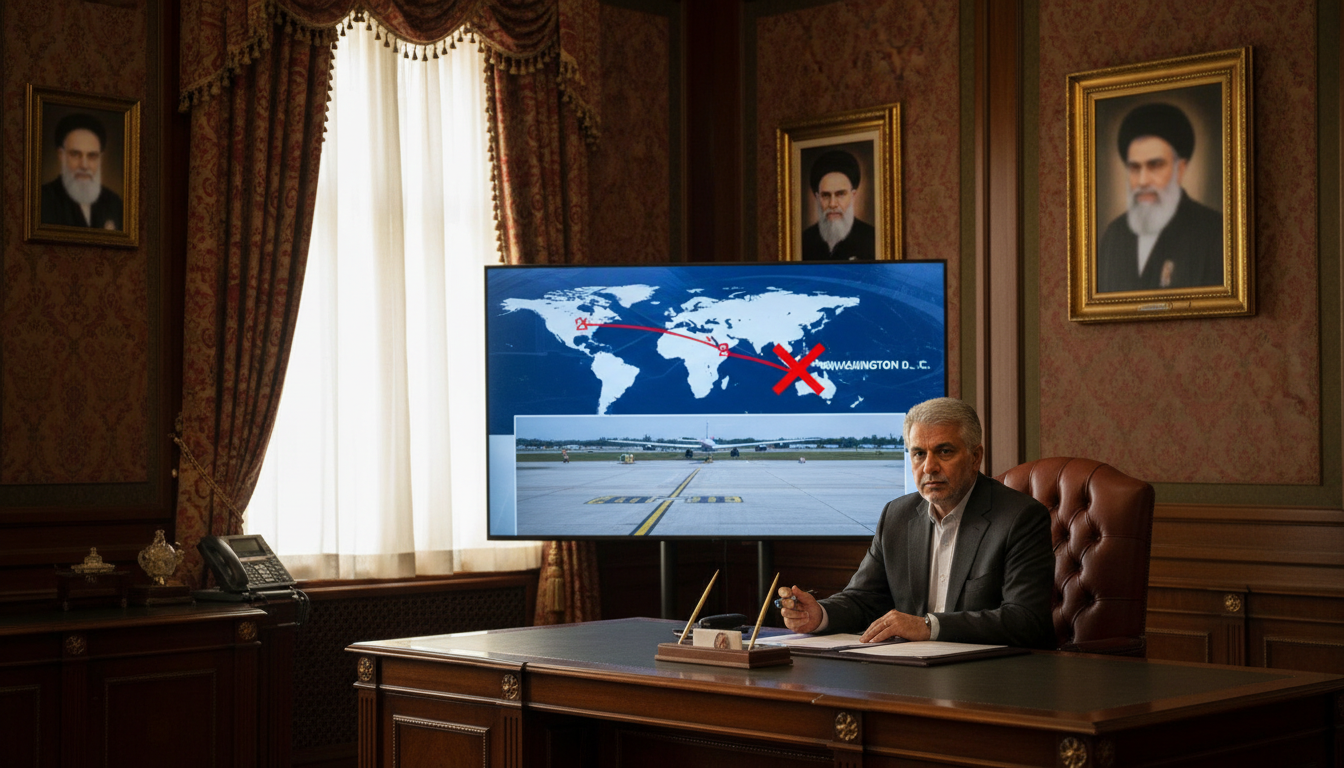
Iran state TV: no Iranian delegation has departed for Islamabad amid reports of Iran-US talks in Pakistan
Iran state TV says no delegation has left for Islamabad amid reports of Iran-US talks in Pakistan; Islamabad boosts security near potential venues.
Iranian state television on Tuesday denied that any Iranian delegation had departed for Islamabad to participate in Iran-US talks in Pakistan, contradicting earlier media reports that suggested a delegation was en route. The broadcaster said no primary or secondary delegation had left Tehran, and Iranian officials provided no new timetable for negotiations. The development comes amid heightened attention around possible diplomatic contacts between Tehran and Washington hosted in Pakistan.
State media denial and official wording
Iran’s state television explicitly stated that "so far, no delegation from Iran has departed for Islamabad," dismissing claims that either a main or subsidiary team had left. The broadcast framed the reports as inaccurate and offered no further details on when, or if, Tehran would dispatch negotiators. Officials in Tehran have historically been cautious about confirming sensitive diplomatic contacts, and the statement reflects that same guarded approach.
Security posture in Islamabad around the Serena Hotel
Photographs from Islamabad on April 21, 2026, showed heightened security measures near the Serena Hotel and the Red Zone area, where foreign delegations and diplomatic facilities are routinely housed. Roads were reported closed and security personnel were visible in the vicinity, consistent with preparations for high-level discussions or protective operations. Pakistani authorities regularly increase security in these precincts when sensitive meetings are anticipated, and the posture has drawn attention amid the conflicting travel reports.
Ambiguity from Islamabad and Washington
Neither Islamabad nor Washington provided immediate public confirmation that talks were scheduled to begin or that delegations had arrived, leaving the situation ambiguous. Pakistani officials have previously served as intermediaries for back-channel contacts between Tehran and Washington, but the government has not publicly confirmed a role in hosting specific sessions for this instance. U.S. spokespeople have a history of offering limited public detail on exploratory diplomatic engagements, and on this occasion there was no formal statement confirming the timing or location of negotiations.
Historical and strategic context for Iran-US talks
Any Iran-US talks, whether in Pakistan or elsewhere, would be viewed through the prism of longstanding disputes over Iran’s nuclear program, regional security, and sanctions policy. Over the past decade, intermittent dialogues and indirect negotiations have addressed facets of these issues without producing a comprehensive, sustained settlement. Localized meetings can nevertheless serve as important steps to defuse immediate tensions, exchange proposals, or lay groundwork for broader talks involving other regional and international stakeholders.
Possible scenarios and diplomatic timing
Given Tehran’s categorical denial that a delegation has departed, several scenarios are plausible: plans could remain under discussion and not yet finalized; travel could be delayed for logistical or political reasons; or preliminary private contacts might be occurring without formal delegation movements. The window for discreet shuttle diplomacy often requires secrecy until arrangements are finalized, which can produce conflicting media reports. Observers say that if substantive talks are to proceed, confirmations from multiple capitals normally follow within a short timeframe.
Regional implications and stakeholder responses
Regional capitals are closely watching developments, given the potential effects on Gulf security, sanctions regimes, and alliance dynamics. Neighboring states, global powers, and multilateral institutions typically monitor any Iran-US contact for cues about future policy shifts. Even tentative meetings can influence market perceptions, military postures, and diplomatic calculations, prompting governments to prepare contingencies while awaiting clarity.
The current mix of an Iranian denial and visible security preparations in Islamabad underscores the opaque nature of high-stakes diplomacy between Tehran and Washington. Until either side provides clear confirmation, the reports will likely continue to generate cautious speculation among diplomats and analysts.

