
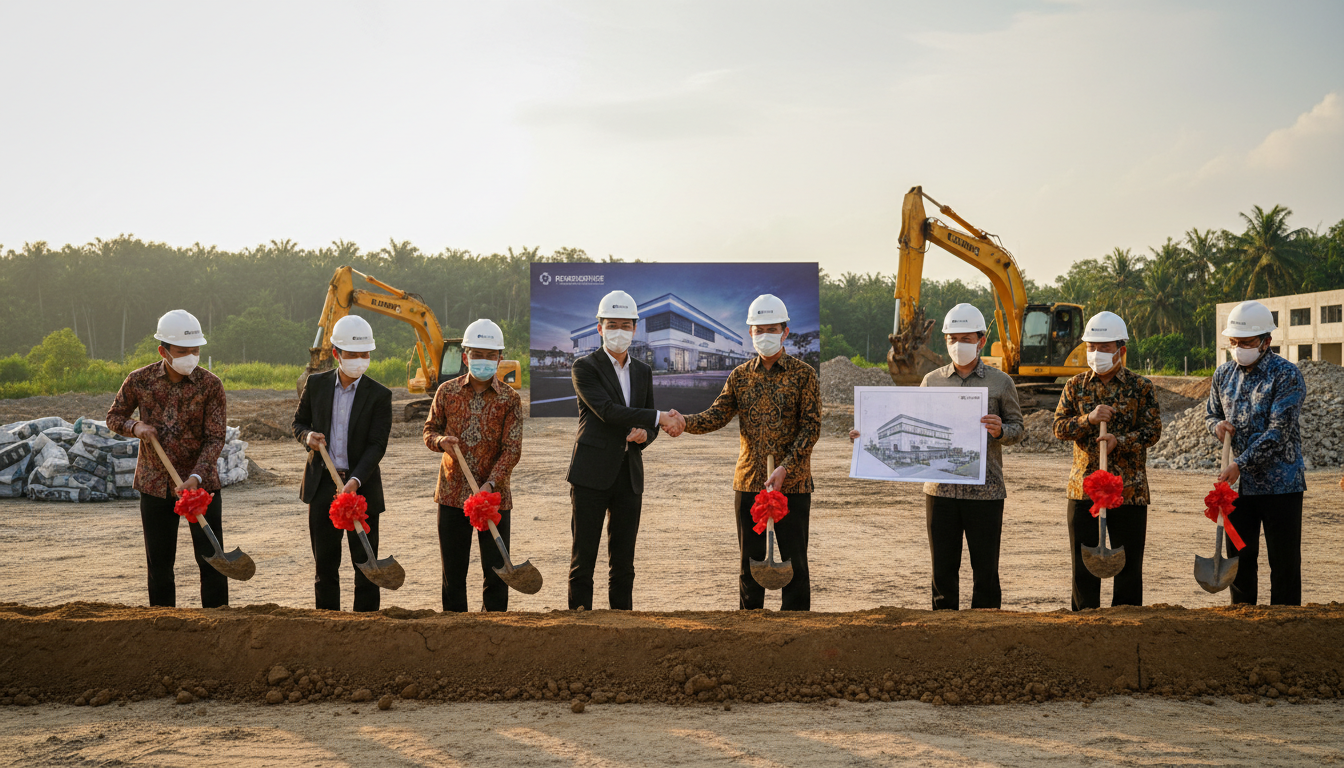
Robosense to open first overseas factory in Southeast Asia as clients cite US-China tensions
Robosense Southeast Asia factory set for second half of 2026 as CEO Mark Qiu says foreign clients seek manufacturing locations that reduce exposure to geopolitical tensions and tariffs.
Chinese lidar maker Robosense Technology said it will open its first overseas factory in Southeast Asia in the second half of 2026, a move the company says responds directly to foreign customers’ growing concerns about US-China tensions and the risk of tariffs. The announcement, delivered by chief executive Mark Qiu at a launch event in Shenzhen on April 21, 2026, signals a new phase of regional expansion aimed at supply-chain resilience and customer reassurance. Robosense framed the plant as a strategic step to maintain business with international automakers and mobility firms that require manufacturing footprints outside mainland China.
Robosense announces first overseas factory
Robosense confirmed the overseas factory will begin operations in the second half of 2026 and said it will target production of automotive-grade lidar sensors used in advanced driver-assistance systems and autonomous-driving programs. The company emphasized the move is driven by client demand for diversification rather than an immediate capacity crunch. CEO Mark Qiu made the remarks at a public event in Shenzhen on April 21, 2026, underscoring the timing and strategic intent of the expansion.
Clients cite US-China tensions and tariff risks
Robosense executives told customers that worries about geopolitical friction, shifting tariffs and regulatory scrutiny have influenced procurement decisions for lidar and related components. Foreign clients, particularly automotive OEMs and suppliers, have pressed Robosense for arrangements that reduce the risk of supply interruptions and sudden cost increases tied to trade measures. Company officials framed the Southeast Asia site as a direct response to those client requests and as a way to provide continuity for multinational programmes.
Why Southeast Asia is the preferred location
Industry analysts point to Southeast Asia’s combination of established manufacturing ecosystems, lower labour costs and proximity to major automotive markets as key advantages for companies seeking alternative production hubs. Countries in the region offer incentives, a growing base of electronics suppliers and logistics links to assembly plants across Asia and beyond. Robosense’s localisation strategy aligns with broader trends in the auto supply chain toward regionalisation, where firms cluster production close to clients to reduce lead times and tariff exposure.
Implications for global automotive supply chains
By adding an overseas factory, Robosense aims to deepen ties with non-Chinese automakers that are increasingly cautious about sourcing critical sensors solely from mainland China. The shift could shorten supply chains for lidar-equipped vehicles and enable faster certification with local regulators, potentially accelerating deployment of advanced driver assistance features. For automakers, a nearby production site can also make project planning more resilient to sudden policy changes affecting cross-border shipments.
Technical outlook for Robosense’s lidar products
Robosense manufactures laser-based mapping and sensing units that detect environmental features for vehicle navigation and safety systems. The company has positioned itself among a small set of suppliers capable of producing automotive-grade lidar at scale, blending mechanical and solid-state technologies for different vehicle applications. Localised production in Southeast Asia could allow Robosense to tailor product lines to regional customer requirements while maintaining centralised R&D and quality control functions.
Commercial and regulatory considerations ahead
Setting up manufacturing abroad will require Robosense to navigate host-country investment rules, component sourcing networks and workforce training, as well as to manage intellectual property protections. The company will likely face scrutiny from customers and regulators over product standards, export compliance and cybersecurity practices, areas that have become more prominent as lidar moves from niche projects to mass-market car programmes. Robosense has signalled it will work closely with partners and local authorities to address these commercial and regulatory priorities.
Robosense’s decision to establish a Southeast Asia factory reflects wider industry moves toward supply-chain diversification and regional production footprints. The company’s announcement on April 21, 2026 provides immediate reassurance to international clients worried about tariff volatility and geopolitical risks, while positioning Robosense to compete for a rising share of the global lidar market. As production ramps up in the second half of 2026, observers will watch how the factory affects pricing, delivery times and contractual relationships with foreign automakers.

