
Japan Approves 3.1 Trillion Yen Supplementary Budget to Shield Consumers from Rising Fuel Costs
Japan approves a 3.1 trillion yen supplementary budget to shield consumers from rising fuel costs, keeping gasoline prices low amid Middle East tensions.
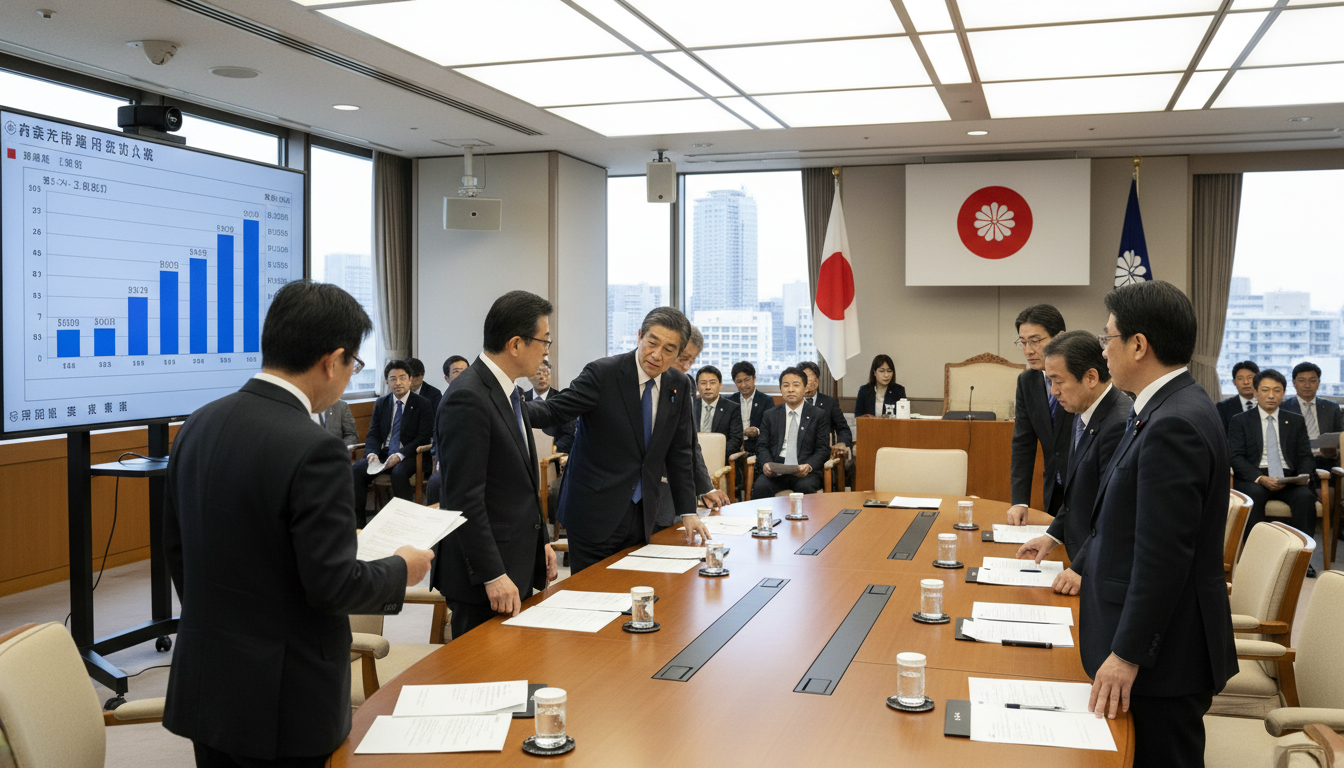
Japan’s parliament approved a 3.1 trillion yen supplementary budget on June 5, 2026, aimed at cushioning households and businesses from rising fuel costs linked to continued tensions in the Middle East. The deficit-financed package is designed to blunt near-term increases in gasoline and diesel prices while sparking debate over the country’s fiscal trajectory. Prime Minister Sanae Takaichi defended the measures at a House of Councillors budget committee session in Tokyo the same day, saying the steps were necessary to protect vulnerable households and maintain economic stability.
Diet Approves 3.1 Trillion Yen Supplementary Budget
The supplementary budget received legislative approval after expedited deliberations in both chambers, with government lawmakers citing the urgency of rising global oil prices. Lawmakers passed the package as a temporary response to higher import costs that threaten consumer spending and logistics-dependent sectors. The government says the funds will be released quickly to stabilize retail fuel markets and support businesses facing sudden cost pressures.
Design of the Fuel Relief Measures
Officials described the measures as a combination of direct subsidies, targeted support for transport and delivery firms, and temporary measures to moderate pump prices. The package is financed by additional borrowing rather than reallocated spending, which officials argued was the quickest way to deliver relief. Tokyo has emphasized the temporary nature of the interventions while signalling close monitoring of both domestic price trends and international energy markets.
Immediate Impact on Consumers and Supply Chains
Retail gasoline prices have been held lower than market-driven levels since the package was announced, giving households and small businesses breathing room on fuel bills. Transport operators, from trucking firms to public transit providers, are expected to see short-term relief that could prevent sudden fare or freight-cost increases. Economists caution that the relief will only mute price pressures for as long as the government keeps subsidies or other support in place.
Fiscal Trade-offs and Debt Concerns
The decision to fund the measures through additional borrowing has renewed questions about Japan’s long-term fiscal health and debt trajectory. Government debt is already among the highest in the developed world, and analysts warn that repeated deficit-financed interventions could narrow policy options over time. Some opposition lawmakers and independent economists urged the government to set a clear exit strategy and timetable for winding down the measures to avoid entrenching permanent subsidies.
Political Debate and Parliamentary Exchanges
At the House of Councillors budget committee on June 5, Prime Minister Takaichi faced criticism from opposition parties that framed the package as politically motivated and short on fiscal discipline. Supporters in the ruling coalition countered that the urgency of rising global energy prices required decisive action to prevent a broader economic slowdown. The debate underscored a familiar tension in Tokyo between immediate economic support for households and long-term fiscal sustainability.
Market Signals and Watchpoints for Investors
Financial markets are likely to watch the balance between fiscal stimulus and monetary policy in the months ahead, with attention on government bond yields and inflation trends. A prolonged period of deficit financing could put upward pressure on yields if investors question the durability of Japan’s debt management strategy. Conversely, domestic consumption supported by lower fuel prices may temper near-term economic downside, giving the Bank of Japan and market participants additional data points to consider.
The government has pledged to review the package’s effectiveness regularly and provide updates on disbursement and impact data in forthcoming fiscal reports. Officials said they will coordinate with industry groups and local governments to target support where it is most needed and to limit distortions in domestic energy markets.
Longer-term fiscal adjustments and structural reforms remain on policymakers’ agenda as Tokyo balances immediate relief with the need to secure public finances. Observers say the upcoming fiscal statements and economic forecasts will be critical for setting expectations about when temporary measures will end and how future shocks will be managed.

