
Sumo Banzuke Remains a ‘Living Document’ as Rankings Shift Every Two Months
Sumo’s banzuke is a living, bimonthly ranking sheet that charts wrestlers’ rise and fall over three centuries, blending ritual, craft and constant change.
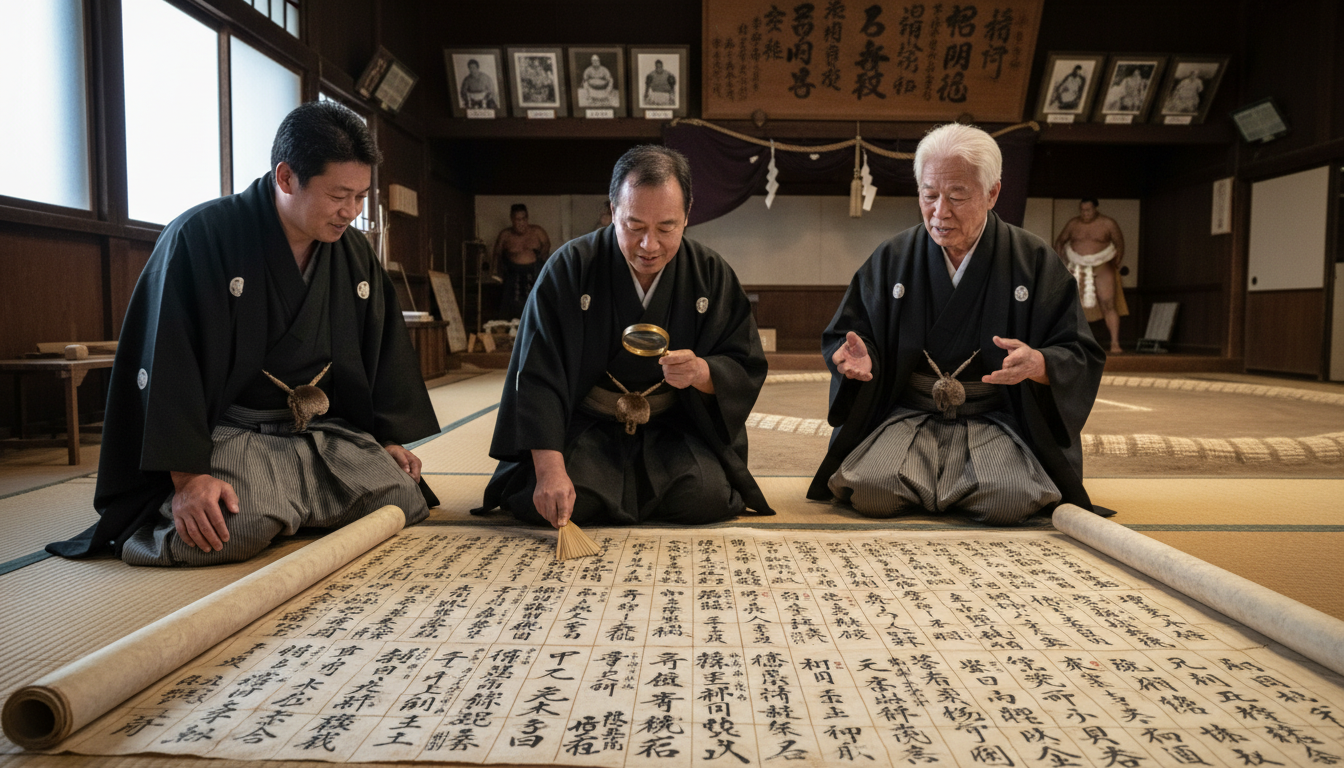
Sumo’s banzuke is often called a "living document," and for good reason: the ranking sheet is formally revised every two months to reflect the outcomes of professional tournaments and the shifting fortunes of rikishi. The sumo banzuke’s calligraphy and layout register promotions, demotions and the endpoint of careers, preserving those changes in a form that is both ceremonial and bureaucratic.
The banzuke’s continual revision highlights a central tension in the sport: while fans and commentators speak of eras and dynasties, the reality is a fluid hierarchy that can rearrange dramatically after a single basho. That movement drives interest in the sport, offering fresh storylines while underscoring the precariousness of top-level status.
Historic Continuity and Craft
For more than three centuries the banzuke has recorded names, ranks and stables in carefully measured columns, linking contemporary wrestlers to a lineage of predecessors. Its longevity gives sumo a unique archival continuity that connects modern contests to pre-modern ritual practices.
The sheet itself is more than a ledger; it is a crafted object produced by specialists who apply traditional calligraphy and format rules that have been refined over generations. That attention to craft ensures the banzuke communicates both authority and cultural weight each time it is issued.
Bimonthly Ritual and Ranking Process
The banzuke is updated bimonthly following official tournaments, with the Japan Sumo Association overseeing the technical process of assigning ranks. Results, injuries, and the subtleties of match outcomes feed into deliberations that determine a wrestler’s placement on the next sheet.
Managers, judges and stablemasters consult on borderline cases, weighing records and mitigating factors such as illness or bouts missed through injury. Those behind-the-scenes judgments are reflected in the public banzuke, which translates complex evaluations into a single, readable ordering.
Calligraphy and Cultural Significance
The visual presentation of the banzuke—written in sumo-specific calligraphy—adds a cultural dimension that distinguishes it from ordinary sports rankings. The brush strokes, size of characters and spatial arrangement follow conventions that signal rank and prestige to informed observers.
Beyond aesthetics, the banzuke functions as a public statement about career trajectories and social hierarchy within sumo. Appearing in a prominent position on the sheet can transform a wrestler’s public standing, affecting sponsorships, fan attention and the atmosphere surrounding subsequent tournaments.
Careers Trimmed and Elevated
For many rikishi, the banzuke marks pivotal career moments: maiden promotions into the salaried ranks, long-awaited returns after injury, or the painful descent out of higher divisions. Each update can accelerate a promising career or signal the end of a run at the top.
Because the list is compact and zero-sum, a promotion for one wrestler inevitably means a demotion for another, which sharpens competition and raises the stakes for every bout. That dynamic creates compelling narratives and underscores why a single tournament can redraw expectations for the sport.
Modern Challenges and the Banzuke’s Future
Contemporary pressures—aging demographics, changing media habits and the physical toll on athletes—pose fresh questions about how the banzuke will continue to function as both document and symbol. Administrators must balance respect for tradition with transparency in ranking decisions that now attract international scrutiny.
Technological changes have also altered how fans encounter the banzuke, moving from paper sheets displayed at stables to digital reproductions circulated globally. Yet the underlying ritual of periodic revision remains intact, preserving the banzuke’s role as the formal heartbeat of sumo’s competitive calendar.
Sumo’s banzuke endures as a living archive, a crafted statement and an engine of narrative for Japan’s national sport. Each bimonthly revision compresses months of competition, judgment and history into a single sheet, reminding practitioners and spectators alike that while eras may be named in retrospect, the daily reality of sumo is constant motion and renewal.

