
Machida Zelvia reach Asian Champions League Elite final after 1-0 win over Shabab Al-Ahli
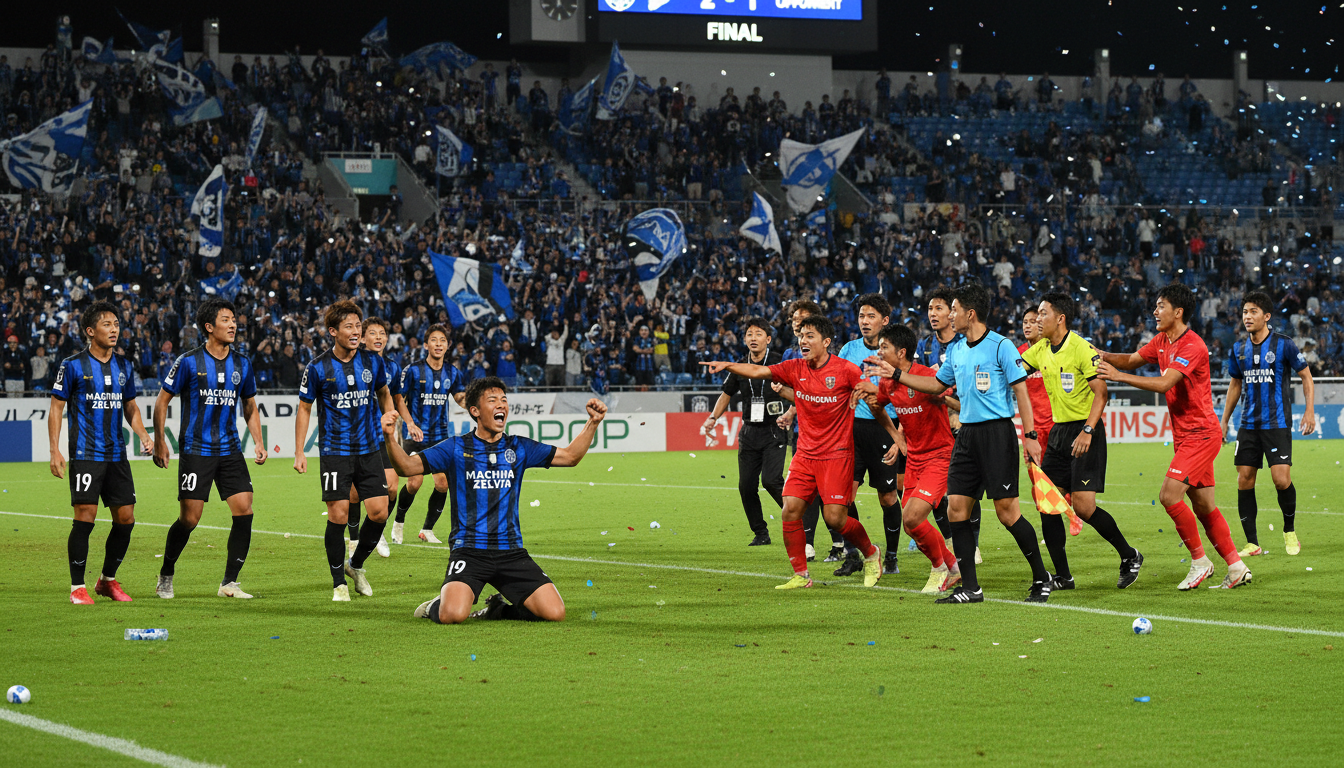
Machida Zelvia beat Shabab Al-Ahli 1-0 to reach the Asian Champions League Elite final, but a stoppage-time decision in Jeddah prompted coach Paulo Sousa’s protest.
Machida Zelvia, in their tournament debut, secured a place in the Asian Champions League Elite final with a narrow 1-0 victory over Dubai-based Shabab Al-Ahli in Jeddah on Tuesday. Yuki Soma’s 12th-minute strike proved decisive as the J. League side held on amid late drama. The win sets up a final against defending champions Al-Ahli of Saudi Arabia, who eliminated Vissel Kobe in the penultimate stage.
Soma’s early finish proved decisive
Yuki Soma opened the scoring in the 12th minute with a composed finish that put Machida Zelvia ahead and forced Shabab Al-Ahli to chase the game. The early goal allowed the Japanese side to shape the match around defensive discipline and careful possession. Machida managed the remainder of the first half and adjusted their formation to absorb pressure from the Dubai club.
Both teams created moments after the break, but Soma’s strike remained the lone goal on the scoreboard as Machida Zelvia prioritized structure and counter opportunities. The Japanese side defended with numbers behind the ball and relied on quick transitions to unsettle Al-Ahli’s backline. Tactical substitutions late in the game aimed to preserve the lead and refresh the midfield engine.
Stoppage-time equalizer ruled out
The match erupted in controversy in stoppage time when Shabab Al-Ahli appeared to have found an equalizer through Guilherme Bala. Referee Shaun Evans ruled the goal out, a decision that immediately sparked protests from the visiting side. The match officials’ call stood, and play concluded without the scoreline changing.
Match footage showed a heated response on the field, but the exact rationale for the decision was not stated by the referee at full time. The ruling effectively sealed Machida Zelvia’s progression to the final and left Shabab Al-Ahli seeking clarification from competition officials. The incident is likely to draw post-match review and formal protests from the Dubai club.
Paulo Sousa leaves pitch in protest
Shabab Al-Ahli coach Paulo Sousa reacted angrily to the disallowed goal and walked off the pitch in visible protest. Sousa’s exit highlighted the immediate frustration within the team and underscored the high stakes of the fixture. Club representatives were seen engaging with match officials after the final whistle to register their objections.
The coach’s departure intensified post-match scrutiny and will likely prompt statements from both the club and tournament organisers. For Machida Zelvia, the controversy overshadowed the result to some extent, but the players and staff maintained focus on the achievement of reaching a first-ever final at this level.
Al-Ahli to defend title after eliminating Vissel Kobe
Machida Zelvia will meet Saudi Arabia’s Al-Ahli in the final, with the Saudi club advancing after defeating Vissel Kobe in the penultimate stage. Al-Ahli enter the showpiece as the defending champions and bring experience from previous deep runs in continental competition. The matchup pits a debutant finalist against an established regional powerhouse, setting up a high-profile conclusion to the tournament.
Observers expect Al-Ahli to field an attack-minded lineup, while Machida Zelvia will likely rely on the defensive cohesion that carried them through the knockout rounds. The tactical contrast between a seasoned champion and an emergent J. League side should shape preparation and media attention in the run-up to the final.
Implications for Machida Zelvia and Japanese club football
Machida Zelvia’s run to the final represents a milestone for the club and enhances the profile of Japanese teams in continental competition. As a tournament debutant, the club’s progress demonstrates the depth of talent across the J. League and the potential for rapid advancement in regional tournaments. The result may influence transfer and tactical planning for the club heading into the domestic season.
For Japanese football more broadly, Machida’s performance underscores the competitiveness of domestic clubs on the Asian stage and could spur greater investment and scouting interest. The club’s strategic emphasis on organized defending and swift attacking transitions has proven effective against higher-profile opponents.
Machida Zelvia will now prepare for the final against a seasoned Al-Ahli side, while Shabab Al-Ahli assess next steps after a match decided amid late controversy.
The decisive victory and the subsequent dispute over the stoppage-time call will likely remain central talking points as tournament organisers and clubs consider any formal review requests and prepare for the season’s concluding fixtures.

