
US President Says Iran Asked Washington to Lift Naval Blockade on Iranian Ports
US president says Iran has asked Washington to lift a naval blockade on Iranian ports, prompting diplomatic outreach and heightened attention from shipping and regional actors.
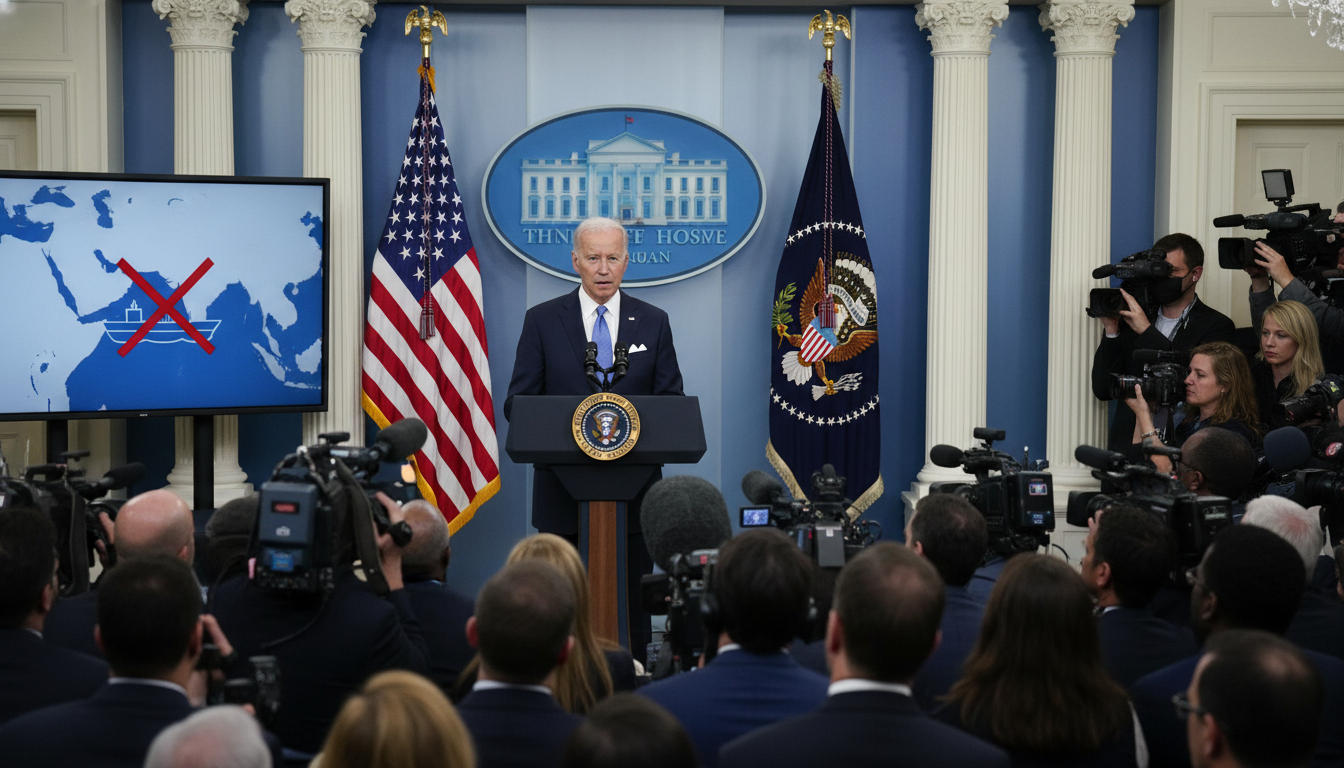
The US president on April 29, 2026, announced that Iran had reached out to Washington and requested that a US naval blockade on Iranian ports be lifted. The statement, delivered from the White House, described the outreach as an attempt by Tehran to secure relief from restrictions affecting maritime access. The development immediately drew attention from diplomats and commercial shipping interests concerned about continued disruption in the Gulf and wider regional waters.
President’s Account of Tehran’s Request
The president said Iran’s outreach explicitly asked the United States to remove the naval blockade on Iranian ports, a move that would alter current maritime operations in and around the Persian Gulf. The remark emphasized that the contact came through diplomatic channels and signalled a potential opening for direct talks on maritime security. Administration officials did not provide a full transcript or detailed terms of the request at the time of the announcement.
The president framed the request as part of broader efforts to de-escalate tensions that have affected shipping lanes and regional stability. He described the outreach as an initial step that would require verification and follow-up negotiations. Observers noted that a formal lifting of any blockade would involve complex operational and legal changes requiring coordination across several government agencies.
White House and State Department Responses
Following the president’s public statement, the White House said it would review the request and consult with allies before making any commitments. Senior US officials reiterated that any decision to alter naval deployments would be based on conditions that ensure the safety of commercial traffic and US forces. The administration underscored that diplomatic channels remained open but did not provide a timeline for talks.
The State Department signalled that Washington’s response would also consider sanctions, regional security guarantees and the need for verifiable steps from Tehran. Officials identified a range of possible responses, from limited confidence-building measures to a phased reduction in naval restrictions, but cautioned that lifting a blockade would not be automatic. The department said it was engaging partners to coordinate a common approach.
Regional Capitals and International Allies Monitor Developments
Governments across the Gulf, Europe and Asia said they were closely monitoring the situation and called for calm and restraint. Regional capitals historically sensitive to disruptions in oil and trade flows expressed interest in any diplomatic path that could stabilise shipping lanes. Allies of both Washington and Tehran urged transparency and warned that sudden policy shifts could have unintended consequences.
International organisations and maritime authorities noted they would need clear guidance should the blockade be lifted, including rules for port access and inspections. Shipping firms and insurers told industry contacts they were watching for official notifications that would affect routing and premiums. Markets and governments alike emphasised the importance of predictable rules to avoid renewed volatility.
Impact on Shipping, Energy Markets and Trade Routes
A lift of the naval blockade on Iranian ports would carry immediate implications for commercial shipping and energy markets. Vessels insured and chartered to avoid certain Gulf waters may consider returning to direct routes, potentially reducing transit times and costs for some cargos. But any reconfiguration of naval patrols and port access would take time to implement and would hinge on clear operational protocols.
Energy traders and logistics firms said that even the prospect of reduced maritime restrictions can influence market sentiment and carrier planning. Freight rates, insurance surcharges and vessel itineraries often respond quickly to perceived changes in regional risk. Companies dependent on Gulf transit routes emphasised that they would need official maritime notices and assurances before altering longstanding diversion strategies.
Legal Questions and Diplomatic Pathways Ahead
Legal experts say the procedural and normative aspects of lifting a naval blockade are complex and could involve international law, security agreements and unilateral sanctions. A formal blockade typically entails specific notification, enforcement measures and a legal justification under international norms, experts noted. Unwinding such measures would therefore require careful legal framing and documentation.
Diplomatically, a phased approach is likeliest, observers say: verification steps, third-party monitoring, reciprocal actions and guarded exemptions for humanitarian and commercial shipments. Multilateral mechanisms — potentially involving the United Nations or regional security forums — could be employed to build confidence. Any negotiated change would likely include safeguards to prevent a rapid deterioration back into confrontational measures.
The coming days are expected to see intensified consultations among Washington, regional partners and international stakeholders to determine whether Iran’s request can form the basis for credible, verifiable de-escalation.

