
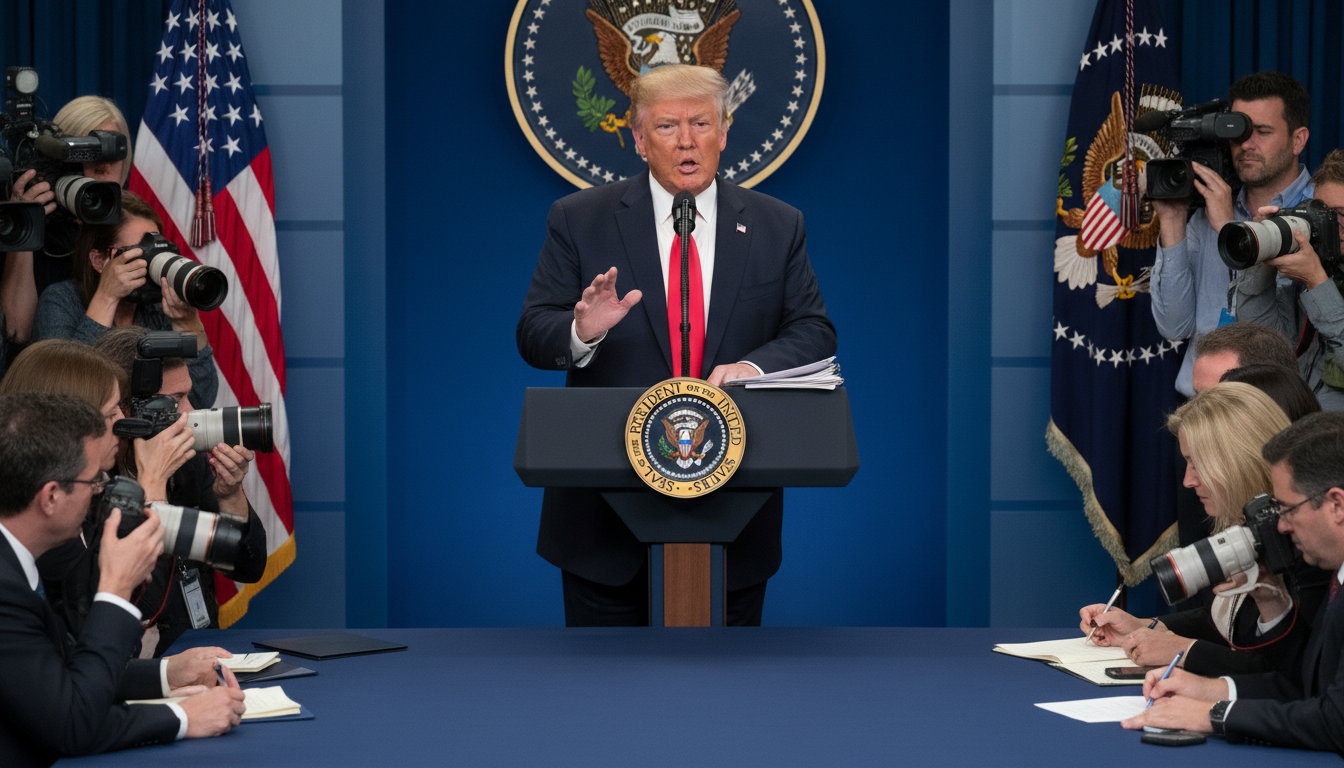
Trump rejects Iran proposal, warns of possible retaliation as mediation falters
President Trump rejects Iran proposal to end hostilities, saying on May 2, 2026 the terms are unacceptable and warning of renewed strikes if Tehran acts improperly. His statement deepens a diplomatic impasse after Iran routed a new offer through Pakistan on April 30.
The president wrote on his social media account that he would review the Iranian proposal but doubted it could be accepted because Tehran “has not paid a sufficient price” for its actions. When asked by reporters later the same day whether the United States might strike again, he said such action was possible if Iran behaved inappropriately, signaling a willingness to use military force as leverage.
White House Response and Trump’s Public Remarks
President Trump framed his response as both cautious and firm, saying the United States would consider the Iranian proposal but remained unconvinced it satisfied U.S. demands for accountability. He emphasized consequences, using strong language that underscored his administration’s preference for a posture of deterrence.
U.S. officials have played down talk of imminent escalation while keeping military options on the table. Reuters and other outlets reported that senior commanders briefed the president on contingency plans, reflecting Washington’s dual-track approach of diplomacy backed by readiness.
Details of Iran’s Proposal and Pakistan’s Mediation Role
Iran delivered a fresh diplomatic overture to Washington on April 30 through Pakistan, which has acted as an intermediary amid fraying channels between Tehran and Western capitals. The proposal was described by sources as an attempt to open a path toward de-escalation without conceding core Iranian positions.
Officials close to the mediation said the package outlined conditions for lowering tensions but stopped short of concessions the United States has sought. Mediators signaled willingness to continue shuttle diplomacy, but both sides have so far reported substantial gaps over accountability and security guarantees.
Tehran’s Public Statements and Military Posture
Iranian authorities have maintained a combative public stance even while engaging third-party intermediaries, warning that clashes could recur if pressure persists. Senior figures in Tehran framed the proposal as an offer meant to protect national interests while rejecting what they cast as U.S. attempts to dictate terms.
The Islamic Revolutionary Guard Corps and other security bodies continue to issue statements suggesting readiness to respond to perceived aggression. That rhetoric, combined with visible military deployments in the region, has kept tensions elevated and complicated back-channel diplomacy.
U.S. Military Briefings and Possible Courses of Action
U.S. Central Command provided senior leadership with assessments of Iranian capabilities and potential responses, according to multiple U.S. media reports. Those briefings reportedly included contingency options ranging from limited strikes to broader operations, though officials stressed no final decisions had been made.
Pentagon planners have emphasized calibrated responses designed to deter further Iranian action while avoiding a full-scale escalation. At the same time, military readiness measures and alignments with regional partners have been advanced to preserve flexibility in the event of renewed hostilities.
Regional and International Implications of the Impasse
The stalemate over the April 30 proposal and Washington’s blunt rejection risks deepening instability across the Middle East, with commercial shipping, allied interests and diplomatic channels all vulnerable to spillover. Neighboring states and global powers face heightened pressure to either facilitate talks or hedge against the prospect of widening conflict.
Analysts warn that continued public brinkmanship by both capitals could further narrow the space for compromise and complicate efforts by mediators such as Pakistan. International stakeholders have expressed concern about the humanitarian and economic consequences should hostilities re-escalate.
The gap between Tehran’s diplomatic overture and Washington’s insistence on punitive measures remains wide, leaving the immediate future uncertain and elevating the importance of quiet diplomacy and allied coordination.

