
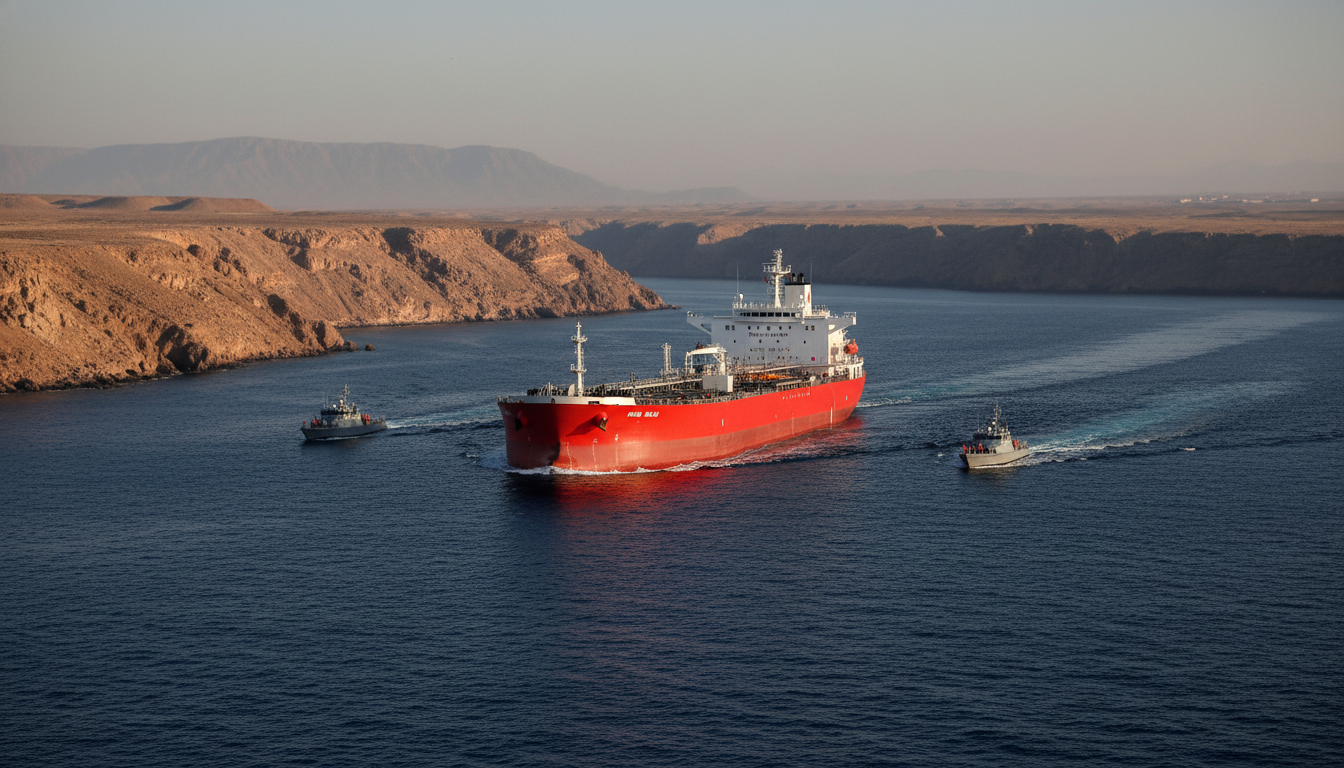
Idemitsu Maru Transit Through Strait of Hormuz Signals Iran’s ‘Special Consideration’ for Japan
Iran allowed Japanese tanker Idemitsu Maru to pass the Strait of Hormuz, a diplomatic move amid a near-blockade after hostilities began in late February. (153 characters)
The Japanese-owned tanker Idemitsu Maru was permitted by Iranian authorities to transit the Strait of Hormuz in late April, a rare exception amid an effective Iranian closure of the waterway since fighting between Iran and U.S.-allied forces intensified in late February. The passage, publicly highlighted by Iranian state media and the Iranian embassy in Tokyo, has been presented in Tehran as evidence of a distinct relationship with Japan. The transit has raised questions in Tokyo and abroad about Iran’s motives and the wider ramifications for maritime security and diplomacy.
Iran’s Public Messaging on Idemitsu Maru
Iranian state-run Press TV reported on April 28 that a Japanese tanker owned by a subsidiary of Idemitsu Kosan had passed through the strait with Tehran’s consent. The report named the vessel and underscored that Iran’s permission was required for passage, framing the development as a notable diplomatic moment.
The Iranian embassy in Tokyo followed on April 29 with a social media post calling the tanker’s mission “historic” and a sign of long-standing friendship between the two countries. That message was amplified by senior Iranian diplomats and served to publicize Tehran’s selective enforcement of its maritime restrictions.
Legal and Operational Context in the Strait
Since late February, Tehran has effectively restricted access to the Strait of Hormuz, citing security concerns amid its broader confrontation with the United States and Israel. Iranian officials have described U.S. maritime operations around their ports, started in mid-April, as unlawful and have treated foreign shipping near their territorial approaches as subject to approval.
The strait is a strategic chokepoint for global oil shipments and commercial traffic, and Iran’s posture has complicated normal navigation procedures. The need for prior permission, and Tehran’s willingness to grant it selectively, has altered customary practices and injected uncertainty into regional shipping operations.
Why Iran Made an Exception for a Japanese Ship
Analysts say Tehran’s decision to allow the Idemitsu Maru to transit likely reflects calculated diplomacy rather than logistical necessity. Japan maintains commercial and diplomatic ties with Iran that are distinct from the security alignments of the United States, and Tehran may be using clemency toward a Japanese vessel to cultivate a neutral interlocutor.
Permitting a ship identified as Japanese-owned allowed Iran to demonstrate both control over the waterway and the ability to reward or acknowledge countries it deems sympathetic or strategically useful. Publicizing the passage also allowed Tehran to gain positive messaging leverage by portraying Japan as receiving a “special consideration” amid wider restrictions.
Implications for Japan-Iran Relations
For Tokyo, the episode presents both opportunity and risk. Japan has longstanding commercial links to the Gulf and an interest in keeping energy and shipping channels open, while also remaining a security partner of the United States. The Idemitsu Maru transit gives Japanese officials a diplomatic opening to press for further safe passage and humanitarian exceptions without directly confronting Iran’s adversarial posture.
At the same time, accepting publicity around the passage risks drawing Tokyo into regional narratives that could complicate alliance dynamics. Japanese diplomats will need to balance efforts to protect nationals and commerce with broader security obligations to allied partners.
Regional and International Reactions to the Passage
Other regional actors are watching how selective permissions shape maritime behavior in the Gulf. Tehran has previously allowed ships from India, Pakistan and some other “friendly” countries to operate in limited windows, but it rarely publicizes such permissions in detail. The heightened attention given to a Japanese vessel marks a shift in Tehran’s communication strategy.
Washington and allied capitals may treat the incident as a reminder that Iran can influence commercial flows and craft diplomatic signals simultaneously. The passage is likely to be factored into deliberations over naval deployments, insurance rates, and diplomatic engagement aimed at preventing further escalation at sea.
Consequences for Shipping and Energy Markets
Short-term commercial consequences are already visible in heightened insurance premiums and cautious routing by shipping firms. The perception that passage may be granted selectively—rather than guaranteed under international maritime norms—creates operational risk for carriers and energy suppliers relying on predictable schedules.
Longer-term market impacts will depend on whether Iran’s selective permissions become a precedent or remain ad hoc responses to diplomatic overtures. For global traders and insurers, the key concern is predictability: if permissions are tied to political signals rather than transparent procedures, volatility in freight and energy markets may persist.
The Idemitsu Maru’s passage through the Strait of Hormuz underscores how maritime operations have become instruments of statecraft in the current confrontation. Tokyo faces the immediate task of securing its shipping interests and citizens while navigating a delicate diplomatic path between preserving ties with Tehran and maintaining its strategic alignment with allies.

