
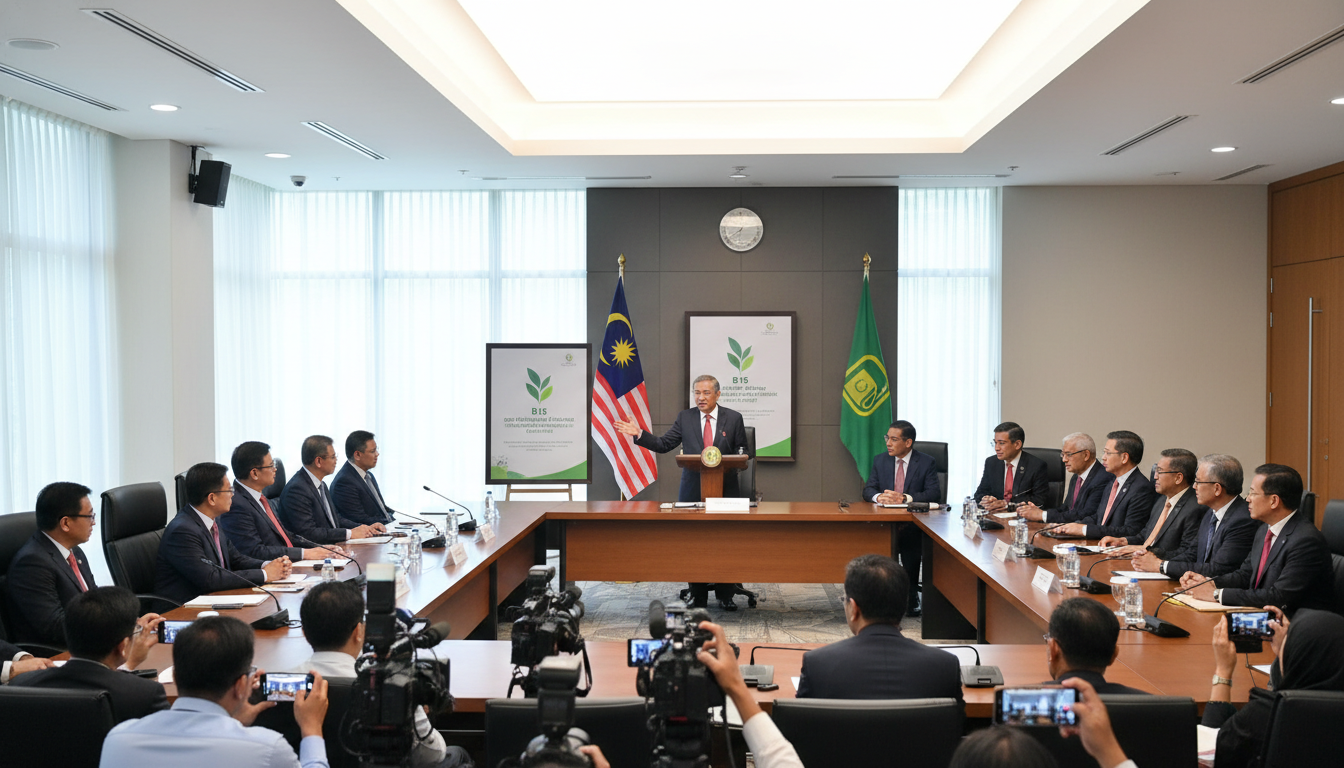
Malaysia to roll out B15 biodiesel in June to curb rising fuel import costs
Malaysia to introduce B15 biodiesel in June, raising palm oil blend to 15% to help lower retail fuel prices amid elevated import bills and global uncertainty.
Malaysia will begin rolling out B15 biodiesel in June as part of a government push to rein in retail fuel prices and reduce the country’s growing fuel import bill. The B15 biodiesel plan, which increases the palm oil component of diesel to 15%, is being promoted as a timely measure while international oil markets remain volatile. Officials say the move is designed to provide a rapid, domestic response to external pressures on fuel supply and cost.
Malaysia to introduce B15 biodiesel in June
Starting in June, the government will implement a mandate for diesel blended with 15% palm oil, commonly referred to as B15 biodiesel. The measure follows existing use of B10, which contains 10% palm oil and is already sold by national firms such as Petronas. Authorities expect the higher blend to be distributed through the country’s established fuel retail network once logistics and supply arrangements are finalised.
The ministry overseeing energy framed the switch as an expedient policy tool that can be deployed quickly to bolster domestic fuel supply and reduce the need for costly imports. Implementation details, including the precise start date in June and the phased approach for retail outlets, will be announced by officials as coordination with refiners and distributors is completed.
Minister says B15 is ‘practical and readily deployable’
A government minister described the upgrade to B15 as one of the “most practical and readily deployable” options to tackle rising domestic fuel costs. The comment reflects a priority to use existing national resources — principally palm oil — to lessen exposure to international fuel price shocks. Officials emphasised the policy is part of a broader toolkit rather than a standalone solution, noting ongoing monitoring of market conditions.
The ministry’s position underscores both economic and political considerations: increasing domestic value-added uses of palm oil supports growers and processors while potentially easing consumer pressure at the pump. Authorities have indicated they will coordinate with industry stakeholders to manage technical requirements and ensure the new blend meets regulatory standards.
Retail landscape and Petronas’ current B10 offering
Petronas and other fuel retailers currently sell B10 biodiesel, which uses a 10% palm oil blend, providing an existing foundation for scaling up to B15. Retailers will need to adjust supply chains, storage and station blending operations to accommodate the higher percentage, but officials say the transition leverages practices already in place for B10. The government expects that most urban and major highway outlets will be able to offer B15 soon after the rollout begins.
Consumers should notice the change at service stations rather than in everyday purchasing procedures, as the product will be sold through standard diesel pumps. The ministry and industry groups have indicated they will issue guidance to motorists and fleet operators on the new specification and any maintenance considerations.
Implications for fuel import costs and the palm oil market
The B15 policy is explicitly aimed at offsetting rising fuel import costs by substituting a larger share of imported diesel with domestically produced palm oil methyl ester. Analysts say the move could trim import volumes of refined diesel and reduce exposure to price swings driven by geopolitical tensions, including those affecting the Middle East. The extent of any savings will depend on global crude and refined product prices as well as domestic palm oil supply and pricing.
The decision is likely to lift domestic demand for palm oil derivatives and may influence palm oil pricing in regional markets. Exporters and refiners will be watching how the policy alters trade flows and inventories, while buyers in neighbouring countries may adjust procurement plans in response to stronger domestic consumption in Malaysia.
Environmental, technical and market considerations
The introduction of B15 raises questions about emissions, engine compatibility and long-term sustainability that officials say will be addressed through testing and regulation. Higher biodiesel blends can have varied effects on emissions profiles and engine components depending on feedstock quality and blending processes. The government has signalled that fuel quality standards and monitoring mechanisms will accompany the rollout to ensure product integrity and protect consumers.
Market participants also note that the success of B15 depends on stable palm oil supplies and sufficient processing capacity to meet increased blending needs. Logistics such as storage tank segregation, tanker handling and refinery blending operations must be scaled carefully to avoid supply disruptions or quality lapses during the initial months of the programme.
Malaysia’s shift to B15 biodiesel represents a strategic, near-term policy response to external price pressures while supporting the domestic palm oil sector. The government plans to continue monitoring outcomes closely and to adjust implementation to balance economic, technical and environmental objectives.
The scale and speed of any retail price relief will become clearer after June, when the B15 blend is introduced at service stations and initial supply data become available.

