
Yuan payments surge as China’s CIPS expands, reshaping oil and sanctions-era trade
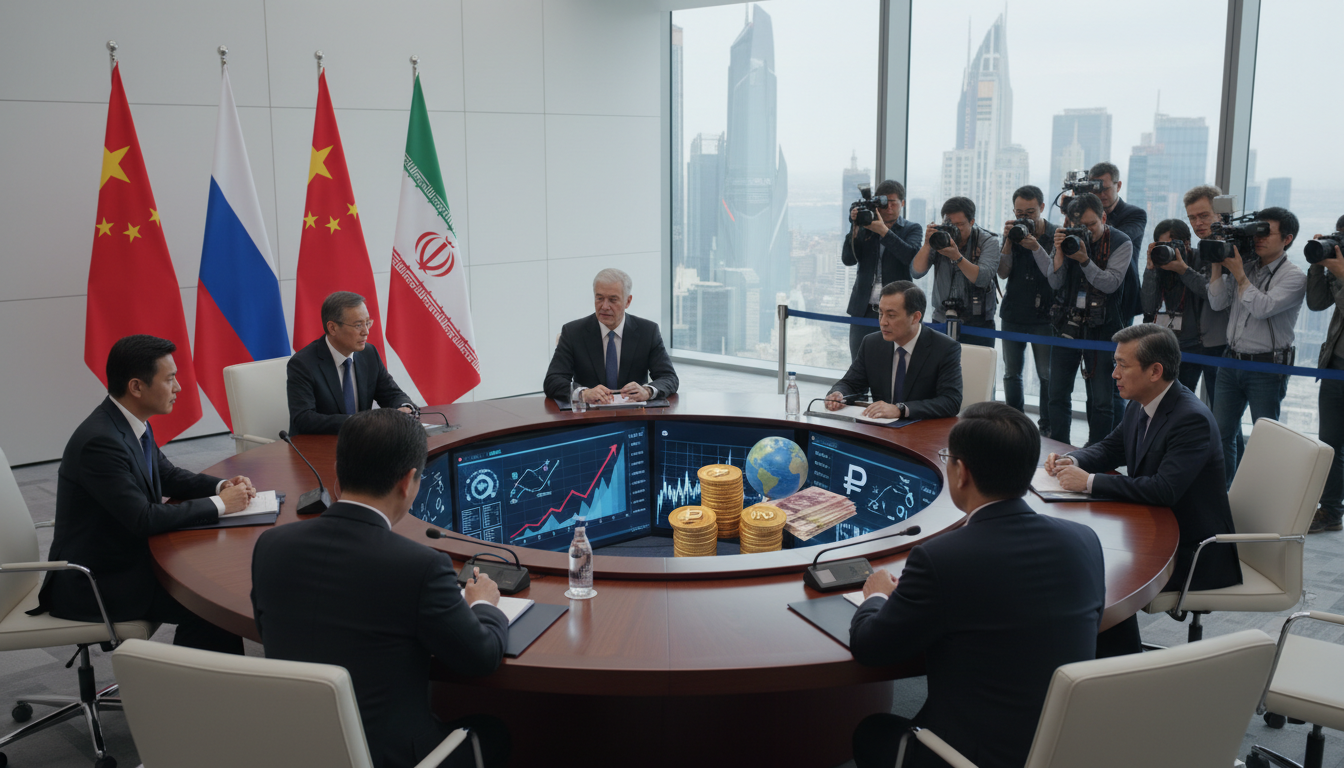
Yuan payments are rising rapidly as China’s Cross-Border Interbank Payment System (CIPS) expands, enabling Iran, Russia and other partners to settle oil and commodity trades outside the dollar. This shift highlights changing flows in global payments and growing reliance on the yuan for sanctioned economies.
China’s push to internationalize the renminbi has accelerated the use of yuan payments across multiple sectors, with crude oil and industrial commodities increasingly priced and settled in the currency. The move has been driven by a combination of policy encouragement, bilateral agreements and practical needs among countries seeking alternatives to dollar-dominated channels. Financial institutions and corporates are adjusting operations to handle larger volumes in yuan, reshaping correspondent banking relationships and liquidity management.
CIPS Processes Record Transactions
China’s Cross-Border Interbank Payment System has seen markedly higher transaction counts as more banks route yuan-denominated settlement through its rails. The system, designed to clear and settle cross-border RMB payments, is being used not only by Chinese institutions but also by foreign banks that want direct access to renminbi liquidity.
Market participants say the rise in CIPS usage reflects both increased trade invoicing in yuan and strategic efforts by states and companies to reduce dependency on dollar-based networks. As volumes grow, clearing banks are investing in new connectivity and compliance processes to support faster settlement and larger bilateral flows.
Iran and Russia Shift to Yuan for Energy Trade
Sanctions-driven constraints have pushed Iran and Russia toward greater use of the yuan in energy and wider trade settlements. Companies in those countries are increasingly accepting yuan for crude oil, petrochemicals and industrial goods where dollar-clearing routes are limited or exposed to secondary restrictions.
The adoption of yuan payments in these markets has been reinforced by direct trade arrangements, currency swap lines and the establishment of local currency payment mechanisms. For exporters and importers operating under sanctions pressure, settling in yuan offers a practical alternative that reduces exposure to dollar-based enforcement risks.
Chinese Policy and Financial Incentives
Beijing has actively promoted renminbi usage by easing procedures for trade settlement, expanding swap agreements and encouraging state-owned enterprises to price transactions in yuan. Regulatory measures and targeted incentives aim to deepen onshore and offshore yuan liquidity and broaden acceptance among trading partners.
Domestic banks have been instructed to facilitate cross-border RMB services, while supervisory authorities have signaled support for infrastructure upgrades and risk controls. Those policy levers have made it easier for foreign counterparties to open yuan accounts, access clearing services and hedge currency exposure using Chinese onshore and offshore markets.
Implications for Global Payment Networks
The shift toward yuan payments places new pressure on existing global payment and correspondent banking frameworks that have long been centered on the US dollar and the SWIFT network. Reduced dollar reliance in some trade corridors can alter transaction flows, correspondent relationships and compliance architectures for banks worldwide.
At the same time, the fragmentation of settlement channels introduces fresh operational complexity for firms that must manage multiple clearing systems, differing regulatory requirements and varied liquidity sources. Payment-service providers and compliance teams are recalibrating controls to accommodate yuan settlements while managing sanctions, AML and counterparty risks.
Banks and Corporates Adapt to New Settlement Patterns
International banks are expanding RMB capabilities, including local-currency account services, two-way liquidity pools and trade-finance products denominated in yuan. Financial institutions in Asia, the Middle East and parts of Europe are increasingly offering yuan liquidity and hedging instruments to meet client demand.
Corporate treasuries are also revising pricing, invoicing and risk-management policies to improve efficiency in yuan settlements. Some multinationals are negotiating contracts in local currencies, establishing onshore payment hubs and using hedging strategies to limit volatility and funding costs associated with larger-scale yuan invoicing.
Market Reaction and Short-Term Risks
Investors and market strategists note that while yuan payments provide an alternative for certain trade lanes, broad-based substitution of the dollar remains limited by market depth, capital controls and investor preferences. Short-term risks include volatility in currency markets, mismatches in liquidity across onshore and offshore yuan pools, and operational failures as institutions scale up new payment routes.
Policymakers and central banks face trade-offs between facilitating international use of the renminbi and maintaining capital-flow safeguards. The pace of yuan adoption will depend on how quickly markets can build reliable two-way liquidity and how geopolitical pressures influence counterparties’ willingness to accept non-dollar settlements.
Overall, the rise in yuan payments and the expanded role of CIPS reflect a pragmatic response by traders and states to shifting geopolitical and economic incentives. The change is altering established payment habits and prompting a broad set of institutions to reassess how they trade, settle and manage currency risk in an increasingly multipolar payments landscape.

