
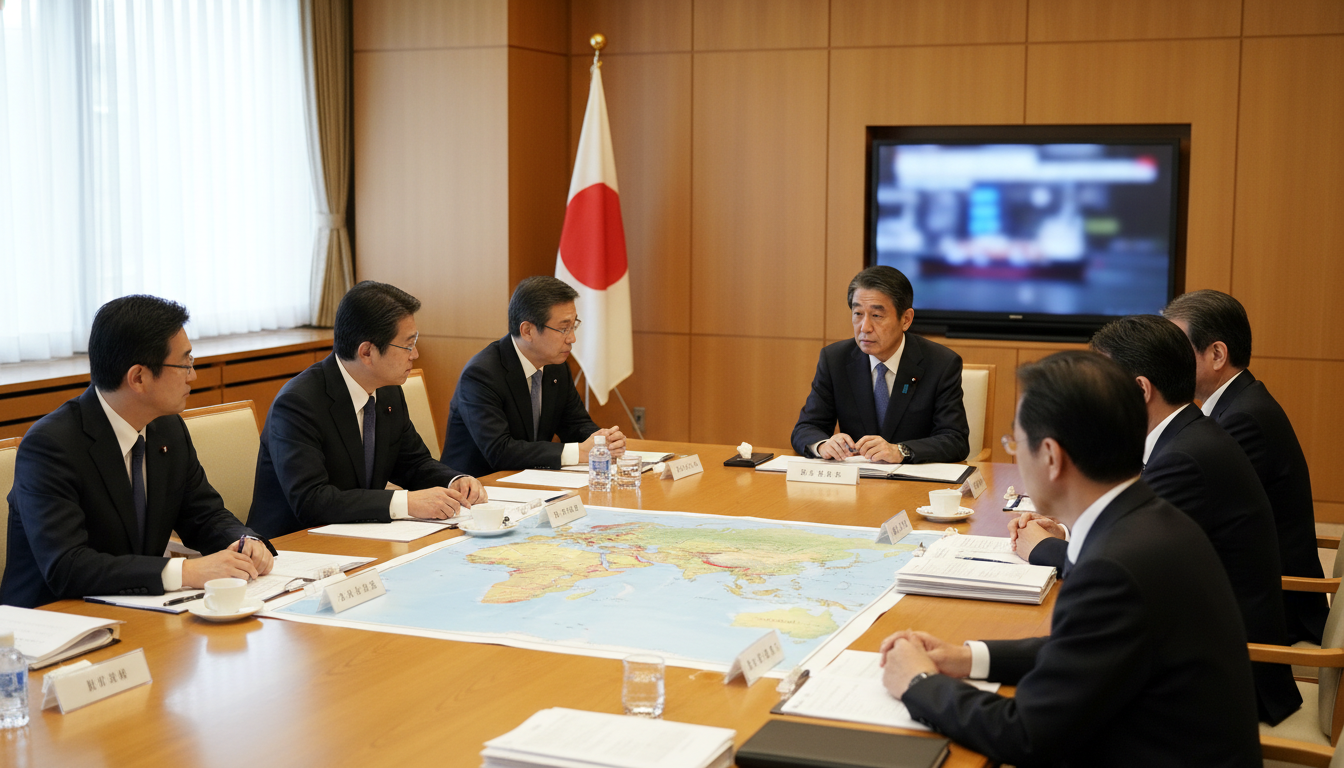
Sanae Takaichi’s fiscal spending plans strained by Hormuz energy crisis
Rising oil prices linked to tensions in the Strait of Hormuz are complicating Sanae Takaichi’s fiscal spending plans, prompting closed-door talks on household relief and budget options.
Takaichi’s fiscal agenda faces immediate market pressure
Prime Minister Sanae Takaichi’s fiscal spending agenda has come under fresh strain as a spike in global crude prices linked to the Hormuz energy crisis stokes volatility in the yen and domestic borrowing costs. Officials close to the government say the combination of higher energy bills and market uncertainty complicates efforts to pursue “responsibly proactive” spending without adding undue fiscal risk. The administration faces pressure to shield households from rising fuel and utility costs while also maintaining the credibility of Japan’s fiscal path. Government spokespeople have publicly downplayed talk of an immediate supplementary budget, even as talks continue behind the scenes.
Closed-door talks focus on targeted household support
Senior government officials and ruling party representatives have held private discussions on targeted measures to ease household burdens, according to sources familiar with the matter. Proposals reportedly include temporary rebates, fuel subsidies for vulnerable households and expanded means-tested support for utilities and transport. Ministers are weighing how to deliver measurable relief quickly without committing to open-ended fiscal outlays that could unsettle markets. The aim, officials say, is to design interventions that blunt the immediate pain of higher energy prices while leaving room for larger, planned spending measures later in the fiscal year.
Global supply risks lift oil and pressure the yen
Analysts attribute the recent jump in crude to disruptions and heightened geopolitical risk in and around the Strait of Hormuz, a vital artery for oil shipments. The rise in oil prices has pushed up import bills for Japan, which imports the bulk of its energy, and has contributed to a weaker yen against major currencies. A softer yen raises the cost of energy imports and can feed into inflationary pressures that influence the Bank of Japan’s interest-rate outlook. Market participants are watching whether these pressures lead to a sustained shift in yields and how that will affect the government’s fiscal calculus.
‘Responsibly proactive’ pledge tested by market realities
Takaichi has framed her economic policy as “responsibly proactive,” seeking to balance stimulative spending to support growth with measures to preserve fiscal sustainability. That rhetoric is now being stress-tested by sudden external shocks that elevate the near-term cost of living for households. Advisers within the Cabinet Office are said to be examining scenarios that quantify the trade-offs between immediate relief and longer-term debt dynamics. In public, government officials emphasize prudence; privately, some senior aides argue for timely, temporary measures to prevent a broader consumption slowdown.
Supplementary budget arguments persist despite public denial
Although the government has publicly dismissed immediate plans for a supplementary budget, the debate persists within political and bureaucratic circles over the best instrument to respond to the energy shock. A supplementary budget would allow for larger, more visible relief measures but could unsettle bond markets if seen as fiscally expansive. Smaller, off-budget transfers or reallocation of existing reserves are being pitched as quicker, less disruptive alternatives. Lawmakers from constituencies hit hardest by rising fuel and electricity prices are pressing for concrete steps, increasing pressure on the administration to move beyond rhetorical reassurances.
Ruling coalition weighs political and economic risks
Members of the ruling coalition are balancing the political imperative to protect households with concerns about future fiscal headroom and market confidence. Some coalition lawmakers are pushing for visible support to avoid public backlash, particularly in regions dependent on transportation and energy-intensive industries. Party strategists are also mindful of upcoming local and national calendar milestones that could amplify voter sensitivity to living-cost pressures. The government’s handling of the situation will be closely watched by financial markets and voters alike as a test of Takaichi’s ability to manage external shocks without undermining fiscal credibility.
Next steps for policy and market monitoring
Officials say deliberations will continue over the coming days as data on energy prices and consumer sentiment arrive and as international developments around the Strait of Hormuz evolve. The Finance Ministry and Cabinet Office are preparing options with estimated fiscal costs and projected market impacts to present to the Prime Minister and senior lawmakers. Coordination with energy suppliers and local governments is also being explored to ensure any relief measures can be implemented swiftly. For investors and households, the immediate focus will be on whether interventions are sufficient to stabilize expectations about inflation and the yen.
The coming weeks will reveal whether Prime Minister Sanae Takaichi’s approach to fiscal spending can accommodate a targeted short-term response to the Hormuz-driven energy shock while maintaining the longer-term commitments her administration has promoted.

