
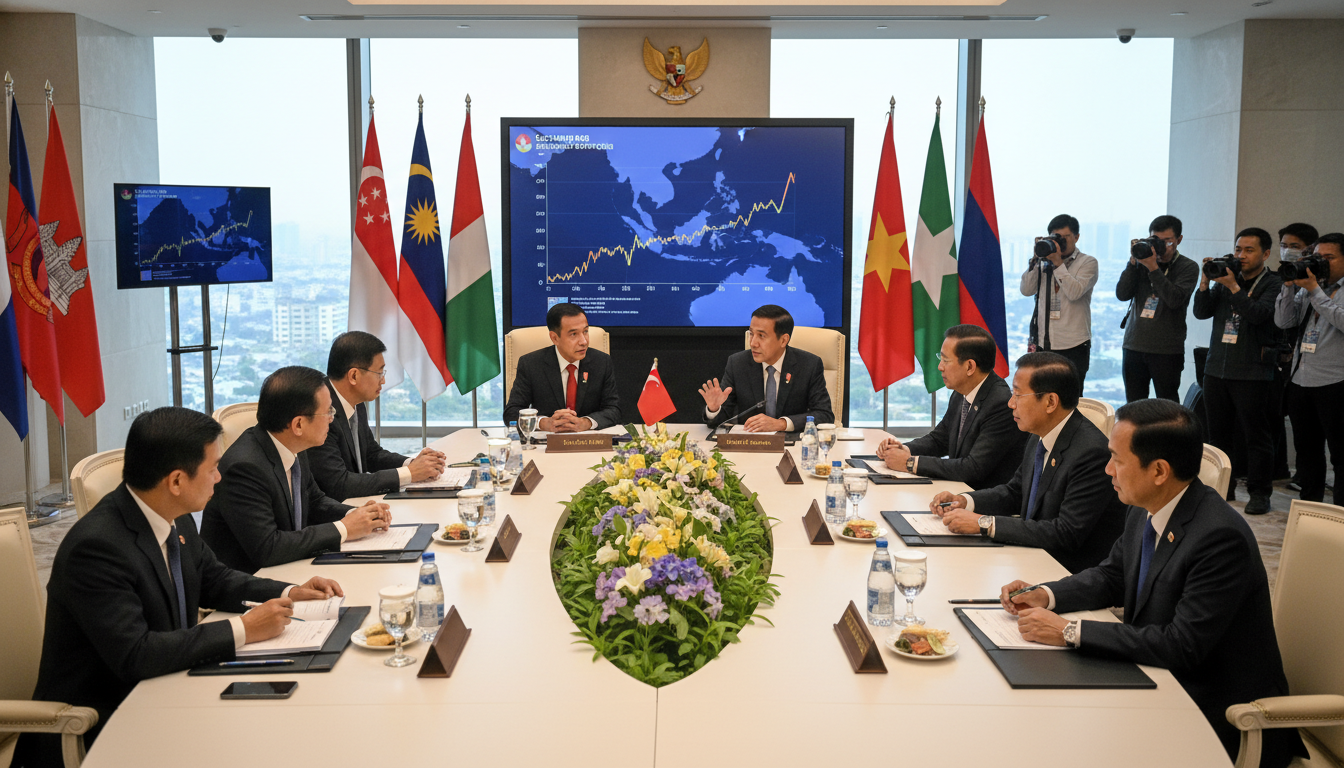
ASEAN energy crisis: Ministers in Cebu urge stronger regional crisis coordination
ASEAN ministers in Cebu urged coordinated action on the ASEAN energy crisis to shield regional economies from supply shocks, rising fuel costs and inflation. Philippine Foreign Affairs Secretary Maria Theresa Lazaro opened the two-day ministerial meetings on May 7, 2026, warning that energy volatility from global markets is producing outsized effects across Southeast Asia. The discussions, held ahead of the ASEAN leaders’ summit on May 8, focused on policy responses, supply resilience and measures to temper economic fallout.
Philippine appeal for tighter regional coordination
Philippine officials framed the Cebu meetings as a call to deepen coordination across ASEAN on energy and emergency response. Secretary Lazaro argued that a patchwork of national measures will be insufficient to manage the cross-border impacts of sustained global energy turbulence. Delegations were urged to consider collective mechanisms that could smooth price spikes, secure supplies, and protect vulnerable populations from sudden fuel-driven inflation.
Ministers meet ahead of leaders’ summit
Foreign ministers convened in Cebu on Thursday to prepare policy options and align priorities for the leaders’ meeting scheduled for Friday, May 8, 2026. The two-day ministerial agenda included sessions on energy security, economic stabilization, and regional trade disruptions linked to fuel shocks. Ministers posed for a group photograph at the opening of the talks, underscoring a unified public posture even as member states weigh different domestic vulnerabilities.
Assessment of economic exposure across member states
ASEAN economies face divergent levels of exposure to the energy shock depending on their import dependence and subsidy regimes. Net energy importers are contending with rising import bills that widen current account deficits and strain public budgets. Countries with extensive fuel subsidies confront fiscal trade-offs between relieving immediate consumer pain and preserving long-term fiscal health, while exporters see varying gains tempered by global demand uncertainties.
Policy options on the table in Cebu
Delegates discussed a menu of policy tools that could be adopted either regionally or in coordinated national action. Proposals included shared strategic petroleum reserves, pooled procurement for critical fuels, and regional price-smoothing mechanisms to blunt market volatility. Officials also examined targeted cash transfers and temporary subsidy reforms designed to shield low-income households without imposing unsustainable fiscal burdens.
Supply-chain ripple effects and inflation risks
Beyond direct fuel prices, ministers assessed the cascading consequences for supply chains and inflation across manufacturing, transportation and agriculture sectors. Higher energy costs are already feeding into shipping and production expenses, elevating consumer prices for food and manufactured goods. Several delegations stressed the need for contingency planning to preserve essential trade flows and avoid compounding macroeconomic instability.
Diplomacy and engagement with external partners
ASEAN discussion in Cebu highlighted the importance of engaging energy producers and international financial institutions to secure more stable supplies and financing. Delegations signaled readiness to deepen dialogue with major energy exporters and multilateral lenders to mobilize support for resilience measures. Officials noted that coordinated outreach could improve transparency in global markets and reduce the risk of abrupt supply disruptions.
Operational challenges and governance questions
Implementing regional measures raises operational and political challenges that ministers acknowledged during the sessions. Building shared reserves or pooled procurement requires legal frameworks, transparent governance and equitable cost-sharing arrangements. Some member states expressed caution about ceding control over critical resources, underscoring the need for flexible mechanisms that respect national prerogatives while delivering regional benefits.
Next steps ahead of the leaders’ summit
Ministers in Cebu prepared a set of recommendations and policy principles for ASEAN heads of state to consider at the leaders’ summit on May 8, 2026. The outcomes are expected to include specific measures for short-term crisis relief, as well as commitments to longer-term energy diversification and infrastructure investment. Delegations signalled an appetite for concrete deliverables that could be operationalized within months rather than remaining high-level declarations.
The Cebu meetings made clear that ASEAN sees the energy disruption as both an immediate economic threat and an impetus to strengthen regional crisis management. Ministers emphasized the need for pragmatic, implementable cooperation — from contingency stocks to targeted social protection — to protect citizens and stabilize economies. As leaders prepare to take up the issue, the region will be watching whether political commitments translate into coordinated action that reduces vulnerability to future energy shocks and supports a smoother economic recovery.

