
Japanese anime events in China continue to draw crowds despite diplomatic tensions
Japanese anime events in China remain popular during recent diplomatic strains, attracting families and young fans to Pokémon exhibits, Shonen Jump shops and Anpanman pop-ups.
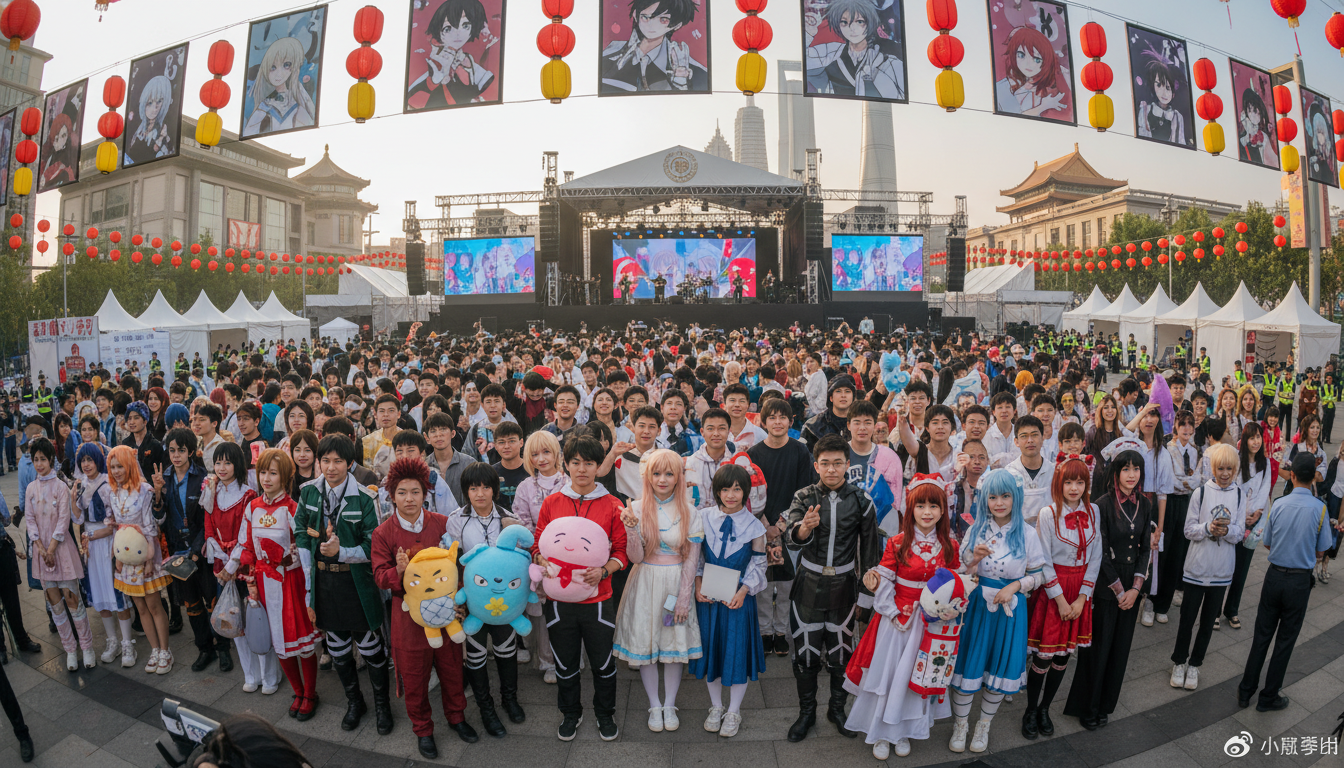
Shanghai — Japanese anime events in China have continued to attract large numbers of visitors this spring, with family-oriented displays and pop-up shops drawing steady crowds even as official relations with Tokyo face strains. The trend was evident during the May Day holiday and in several retail openings in April, where characters from Pokémon, Shonen Jump and Anpanman proved strong crowd-pullers. Organizers and attendees said enjoyment of the culture often separated personal taste from political rhetoric.
Pokémon exhibit draws families in central Shanghai
A central Shanghai park staged a Pokémon-themed display on May 1 that became an immediate focal point for families and young fans during the national holiday. Visitors queued to take photos beside a large Pikachu model and gathered for informal meet-ups and cosplay, turning the park into a lively, character-filled space. Attendees ranged from parents with small children to adults in their 30s and 40s, indicating broad, cross-generational appeal for the franchise.
Large concerts canceled while small events persist
Since last November, major concerts by Japanese artists at large Chinese venues have been canceled in a series of high-profile withdrawals and postponements. Despite that, local organizers have continued to stage smaller-scale anime-themed gatherings, pop-up shops and cafe events that operate under lower visibility and with reduced logistical requirements. Industry observers note that grassroots fandom activities are easier to sustain in the current atmosphere than large commercial tours, which face greater political and regulatory scrutiny.
Shonen Jump store and Anpanman pop-up attract shoppers
In Beijing, a shop and cafe focused on merchandise tied to the long-running Shonen Jump anthology opened at the end of April and experienced brisk business in its early days. In Shanghai, a mid-April Anpanman pop-up inside a department store sold character-shaped breads and related souvenirs, drawing customers back repeatedly. Local consumers told reporters they were primarily motivated by fandom and novelty, with some describing the visits as part of a family outing or a weekend treat rather than a political statement.
Young people show cultural affinity amid diplomatic strain
Interviews with patrons at these events suggest many young Chinese are maintaining or increasing their familiarity with Japanese popular culture even as official relations cool. One visitor, a 35-year-old IT worker, said she separates her personal interests from diplomatic rhetoric and remains committed to enjoying the media and characters she grew up with. Others expressed hope for improved bilateral ties while continuing to participate in fandom-driven activities, signaling a distinction between everyday cultural engagement and state-level politics.
Local businesses and cafes benefit from sustained demand
Merchandise sales, themed food items and character cafes have provided an economic lifeline to small retailers and pop-up operators in major cities. Proprietors reported steady foot traffic and repeat customers for limited-time events that emphasize collectibles and experiential elements, such as photo zones and specialty menus. Market analysts suggest that demand for licensed goods and themed hospitality experiences is helping to insulate segments of the creative economy from wider diplomatic disruptions.
Cultural ties reveal limits of politicization
The persistence of Japanese anime events in China highlights the difficulty of fully politicizing cultural exchange, particularly when fan communities are well-established and commercially viable. While central and local governments may escalate rhetoric or impose constraints on high-profile cultural imports, everyday tastes and consumption patterns often follow separate trajectories. Observers caution, however, that sustained political pressure could still affect licensing, large-scale tours and official collaborations over time.
Regional cultural managers and business owners said they are monitoring the situation closely and are prepared to adjust programming if authorities impose new restrictions. For now, event organizers emphasize compliance with local regulations and focus on family-friendly offerings that minimize controversy.
The continued popularity of anime-related events in Chinese cities underlines the resilience of soft cultural ties even amid diplomatic friction, as fans and entrepreneurs navigate a complex environment by prioritizing community, nostalgia and consumer appeal.

