
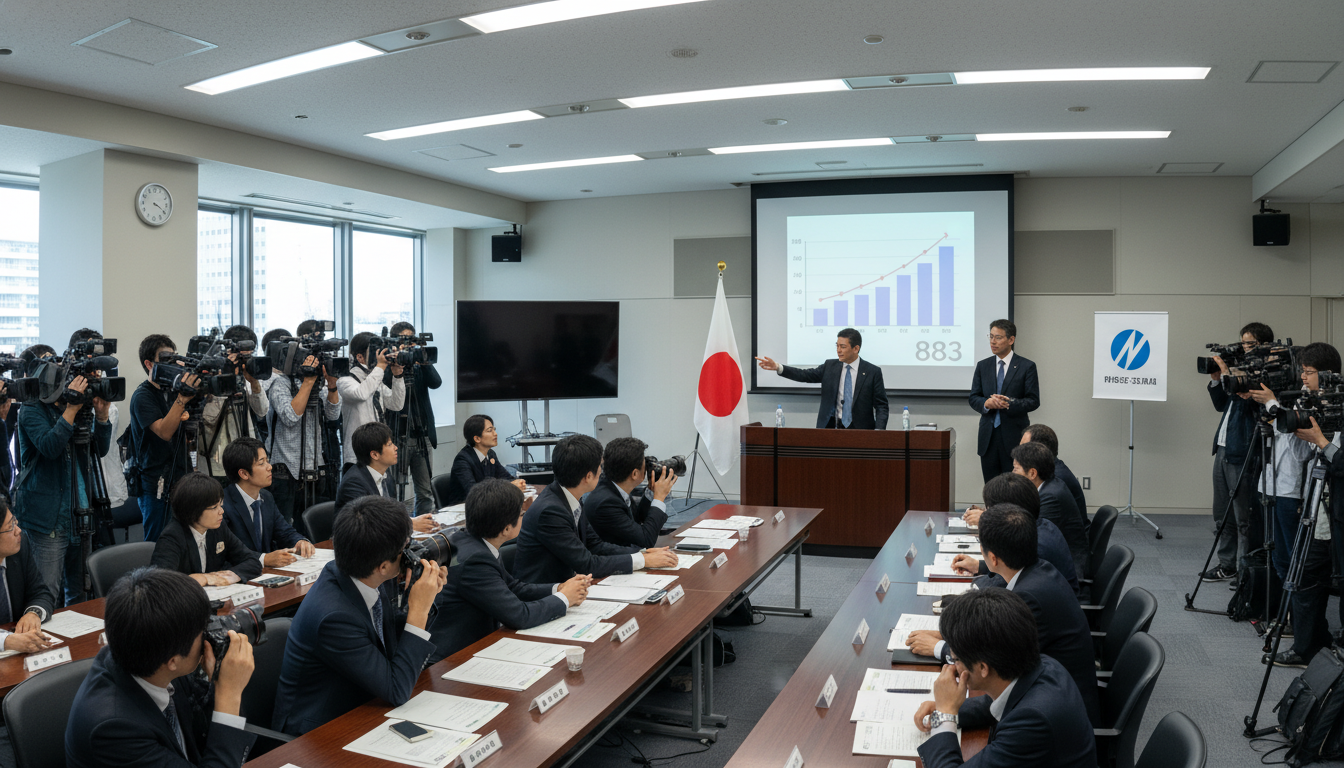
Japan corporate bankruptcies rise to 883 in April 2026, a 12-year high
Corporate bankruptcies in Japan rose to 883 in April 2026, a 12-year high for the month, with total liabilities of ¥111.9 billion as firms face mounting cost and energy pressures.
Tokyo Shoko Research Ltd. reported on May 13, 2026 that the 883 corporate bankruptcies recorded nationwide in April represented a 6.6% year-on-year increase and marked the fifth consecutive month of annual rises.
The tally includes cases involving companies with total liabilities of ¥10 million or more and was the highest April total since 2014.
Total reported liabilities linked to these failures amounted to ¥111.9 billion, an 8.8% rise from April 2025, underscoring deeper balance-sheet strains across the corporate sector.
April Count Hits 883, a Fifth Straight Monthly Rise
The April figure of 883 bankruptcies signals a sustained upward trend, with Tokyo Shoko Research stressing the continuity of rising corporate distress.
Analysts highlighted that the series of year-on-year increases now stretches across five months, a pattern that indicates pressures are not isolated to any single quarter.
Liabilities of Failed Firms Climb to ¥111.9 Billion
Recorded liabilities associated with the bankruptcies totaled ¥111.9 billion, according to the agency’s data, up nearly 9% from the same month a year earlier.
The threshold for inclusion in the count was liabilities of ¥10 million or more, meaning the statistics capture cases with material financial exposure and potential ripple effects for creditors.
Price, Wage and Interest Pressures Weigh on Profitability
Tokyo Shoko Research attributed the deterioration in corporate cash flow to a combination of rising input prices, higher labor costs and elevated interest rates.
These cost pressures have eroded profit margins for many firms, tightening liquidity and making it harder for businesses to meet short-term obligations.
Energy Market Disruptions Add to Production Costs
The agency warned that shortages of naphtha and increases in crude oil prices, linked to geopolitical tensions in the Middle East, are beginning to compound cost problems for manufacturers and transporters.
Higher energy and petrochemical costs tend to push up production expenses and shipping rates, feeding into wider inflationary pressures that squeeze company margins.
Smaller Firms and Supply Chains Face Growing Risk
Tokyo Shoko Research cautioned that the effects could spread to small and medium-sized enterprises, which typically have smaller cash buffers and less access to financing.
SMEs often sit lower in supply chains and may bear the impact of higher upstream costs and delayed payments, increasing the likelihood of solvency problems spreading through business networks.
Policy Options and Market Responses Under Scrutiny
Observers say continued monitoring of bankruptcy trends will be important for policymakers and lenders as they assess the need for targeted support or regulatory adjustments.
Measures could include strengthened credit support for vulnerable sectors, faster payment settlements, or tailored liquidity facilities, though authorities must weigh such steps against broader macroeconomic considerations.
The April data from Tokyo Shoko Research highlights a fragile juncture for corporate finances in Japan, where simultaneous cost shocks—ranging from wage pressure to energy market volatility—are translating into a measurable rise in insolvencies.
As businesses and policymakers digest the latest figures, attention will focus on whether the trend stabilizes or accelerates in the coming months and on the effectiveness of responses aimed at preventing further spillovers to smaller firms and employment.

