
Tokyo nightlife: a practical 12-hour after-dark itinerary from museums to ramen
12-hour Tokyo nightlife itinerary: museums, game centers, bar crawls, karaoke, dawn sights and early-morning ramen, plus transport and money-saving tips.
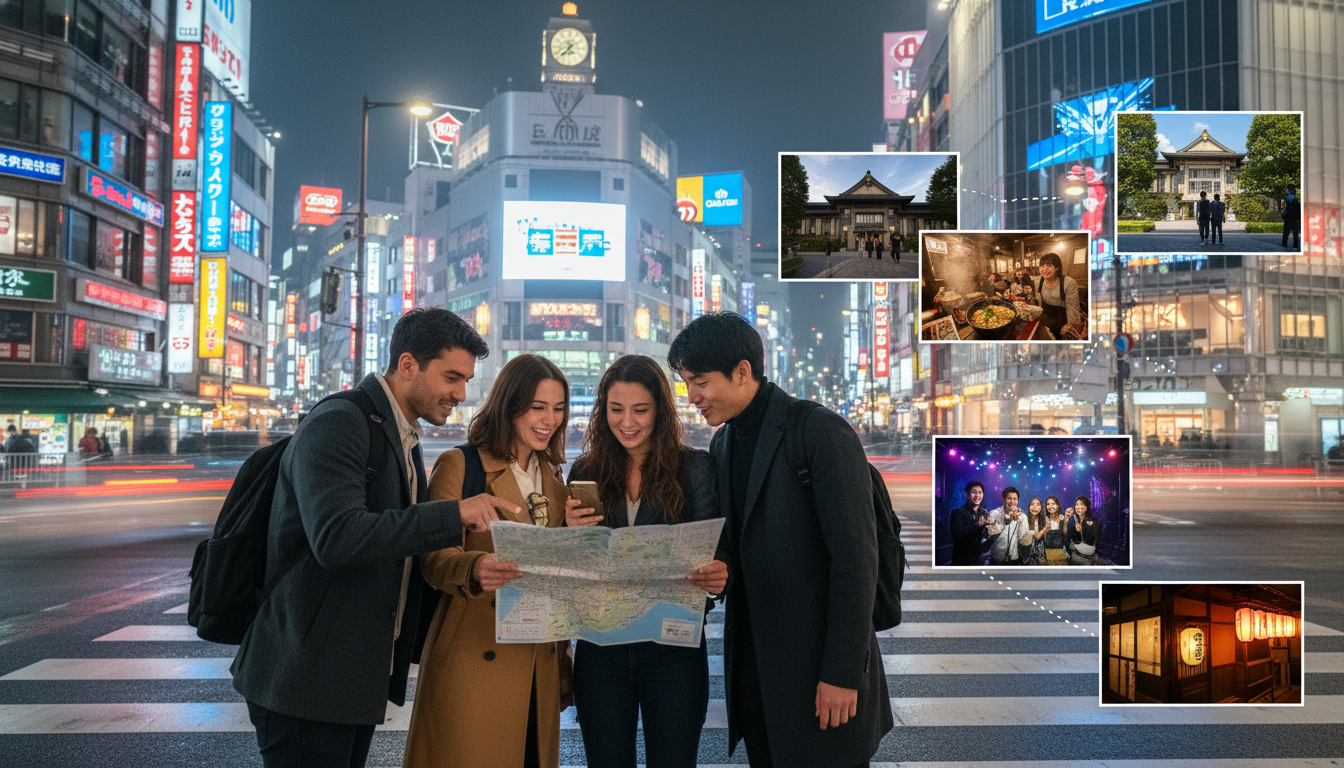
Night falls and Tokyo wakes in a different rhythm: this Tokyo nightlife itinerary maps a full 12-hour after-dark run that moves from evening museums and parks through arcades and bars to late-night karaoke, dawn sightseeing and an early bowl of ramen. The plan is designed for visitors who want to experience a variety of after-hours scenes without losing time, and it highlights seasonal options, neighborhood choices and practical tips for getting around. Read on for a step-by-step, time-blocked guide to a single long night in Tokyo that balances cultural stops, entertainment and essential safety and cost advice.
Evening openings and seasonal options
In the early evening, Tokyo offers options that change with the seasons, giving nights a markedly different character from summer to winter. In warm months many museums and cultural venues extend hours for special exhibitions, allowing visitors to enjoy galleries with thinner crowds and curated nighttime programs that often run until 8 or 9 p.m. These late openings are ideal as a relaxed warm-up: they provide light activity, A/C in summer and a cultured start before the louder parts of the night.
During winter, November through February, the city layers ornate illumination displays across parks and shopping districts, transforming streets into walkable light festivals with heated kiosks and seasonal stalls. Spring and autumn evenings are better suited to outdoor picnics and strolls through Tokyo’s parks, where milder temperatures invite diners and photographers to linger. Whatever the season, beginning the night with a focused, low-energy activity helps pace the evening and ensures you have energy for the arcades and bars that follow.
Arcades and game centers across the city
After the calm of museums or parks, Tokyo’s game centers provide an immediate jolt of fun and competition from roughly 8 p.m. onward. These multi-floor arcades are ubiquitous and offer a large mix of activities, from classic fighting and racing cabinets to rhythm machines, taiko drum simulators and the notoriously addictive UFO catcher prize cranes. Larger centers commonly include bowling alleys, billiards, darts and batting cages, making them useful one-stop entertainment hubs that can accommodate groups with varied interests.
Game centers also serve food and drinks at counters or adjacent convenience stores, so they are a practical spot to regroup and fuel up. For visitors looking for a broader entertainment complex, multi-activity venues that combine bowling, karaoke and arcade floors can run late into the night — and some branches operate 24 hours on weekends. Playing an hour in a game center is a compact, social way to keep momentum without committing to a long sit-down experience.
Bar crawl routes and neighborhood highlights
From about 10 p.m., Tokyo’s bar scene is where many nights pivot toward drinking and socializing. Distinct pockets of the city each offer different bar experiences: narrow alleyways lined with small, theme-driven bars provide an intimate, exploratory crawl, while rooftop and basement bars around major hubs deliver a more cosmopolitan vibe. Popular bar districts attract a mix of locals and visitors and are known for varied drink lists that range from classic cocktails to local sake and sweet plum wine.
A few practical points matter when navigating a bar crawl: small establishments sometimes charge a modest table fee that may include a snack, while many bars feature a house specialty — asking the bartender for that drink is an effective way to sample local flavors. Neighborhoods differ in tone: certain districts are densely packed with tiny, owner-operated bars that reward wandering and conversation, while others host larger chains and clubs better suited for later, louder hours. Planning a route that keeps travel short will reduce taxi costs and let you enjoy more stops on the same night.
Karaoke hours and chain options
Karaoke is a near-universal late-night option in Tokyo and commonly serves as the third act after bars, especially between 1 a.m. and 3 a.m. Private karaoke rooms are typically rented by the hour, and most chains operate deep into the night — many locations remain open until the early morning, with some venues staying active until 5 a.m. or 6 a.m. This makes karaoke an excellent choice when public transit has already stopped for the night and you want a contained, private environment for singing with friends.
Major chains are easy to spot and cater to a range of budgets and tastes. Branded outlets often sell drink-inclusive packages and offer simple hot dishes or desserts, while some operators permit outside food and drinks, which can cut costs. When choosing a karaoke spot, note whether pricing is per person or per room and whether there are late-night surcharges; booking ahead on busy evenings can also help avoid long waits. For visitors wanting a quintessential local experience, seeking out a small izakaya followed by a few hours of karaoke is a tried-and-true combination.
Dawn landmarks and late-night shopping
As neighborhoods quiet and the sky lightens, Tokyo reveals a quieter, equally compelling side between about 3 a.m. and 5 a.m., when several landmarks and shopping options present rare, crowd-free vantage points. Iconic structures that look dramatically different without daytime crowds — towers lit against the pre-dawn sky, and sprawling intersections that are dotted with cleaning crews and early-shift workers — provide photographers and night owls with unique perspectives. These early hours are especially suitable for cityscape photography and reflective walks along waterfront promenades.
For those who want to keep shopping, a handful of large discount stores remain open around the clock or for extended hours, offering a last-minute opportunity to buy souvenirs and novelty items. Visiting a central plaza or a waterfront neighborhood at dawn can also be a tranquil way to decompress after a long evening, and it allows you to experience Tokyo’s transition from night to morning without the bustle that defines daytime tourism. Respect for residents’ sleep and local ordinances is important; quiet movement and subdued behavior will keep neighborhoods welcoming to late-night visitors.
Night transport, costs and money-saving tips
Understanding how to get around at night and what a typical budget looks like will help keep the evening enjoyable rather than stressful. Trains in Tokyo generally stop running around midnight, with buses finishing their routes by about 11:30 p.m., so after that time taxis and walking become the primary means of travel. Taxis are widely available at station ranks and on major roads, though fares add up quickly on long rides; drivers’ English varies, so carrying written addresses in Japanese or a map screenshot is advisable.
A realistic per-person budget for a full night out ranges widely depending on choices, but a sample breakdown might include modest arcade play, a multi-stop bar crawl, a few hours of karaoke and a bowl of early ramen. Expect low-end costs of roughly ¥7,000 for a conservative night and up to ¥20,000 or more when splurging on drinks, taxis and extended entertainment. To save money, consider weekdays for cheaper karaoke and game-center rates, minimize taxi use by staying within one neighborhood, carry cash for small bars that do not accept cards and split shared expenses among friends. These practical adjustments let you enjoy a varied Tokyo nightlife experience without a large bill at the end of the night.
Tips for safety and local norms are straightforward but important: never cycle after drinking, as this is illegal and hazardous, and keep noise levels down in residential areas, especially near dawn. If relying on taxis late at night, try to consolidate destinations so you avoid multiple fare-heavy trips. Finally, taking time to plan a loose route that clusters activities helps limit transit time and lets you focus on the experiences themselves rather than logistics.
This 12-hour Tokyo nightlife plan is designed to be adaptable: swap an early museum for a park picnic, replace a bar stop with a dedicated late-night izakaya, or extend karaoke into the early morning depending on how the night unfolds. The city’s diversity of options means you can tailor the same basic sequence — cultured warm-up, energetic entertainment, social drinking, private singing, dawn wandering and ramen — to match your interests and energy levels. Keep practicalities in mind, pace yourself, and Tokyo’s after-dark offerings will reward planning with memorable, varied and distinctly local moments.

