
Shin-Etsu rare-earth refinery to be built in Fukui with $220m investment
Shin-Etsu to invest $220m in a new rare-earth refinery in Fukui, aiming to boost dysprosium, terbium and yttrium output and cut reliance on Chinese supplies.
Shin-Etsu to build new rare-earth refinery in Fukui, citing production and supply goals
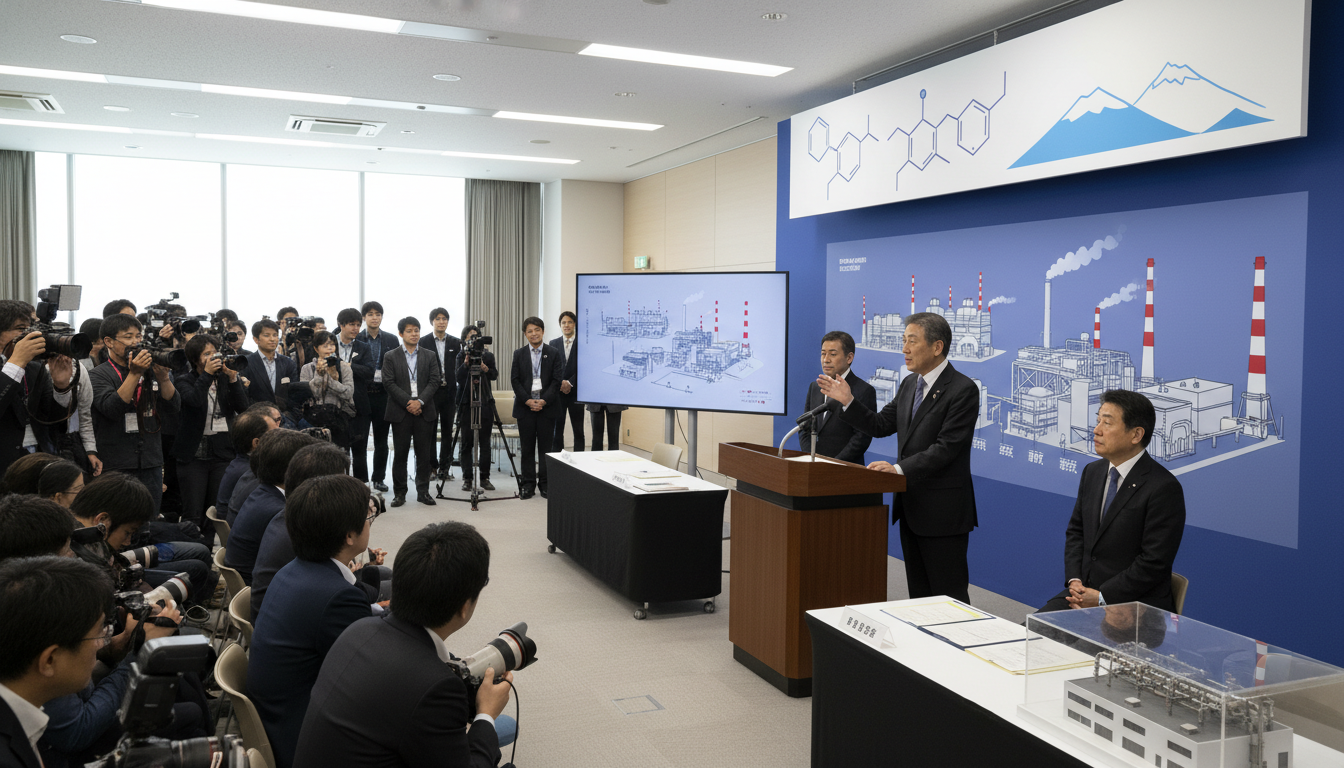
Shin-Etsu Chemical said it will invest $220 million to construct a new rare-earth refinery in Fukui Prefecture, a move designed to scale up domestic production of critical elements and reduce dependence on foreign sources. The Shin-Etsu rare-earth refinery will focus on mass production of materials such as dysprosium, terbium and yttrium, which are used in electric vehicle motors and semiconductor manufacturing equipment. Company representatives described the project as the first large-scale rare-earth refining initiative in Japan since 2008.
Investment and project scope
Shin-Etsu’s announced outlay of $220 million covers construction, processing equipment and initial operating capacity at the Fukui site. The company intends the facility to serve both automotive and electronics supply chains by producing higher volumes of magnet and specialty-oxide precursors. Officials said the refinery will expand Shin-Etsu’s vertical capabilities from upstream separation to finished rare-earth products, enabling closer integration with downstream manufacturers.
Materials targeted for production
The planned plant will concentrate on dysprosium and terbium, two heavy rare-earth elements that enhance heat resistance and magnetic performance in neodymium-based magnets for EV motors. Yttrium production is also a priority because of its role in components for semiconductor fabrication equipment and advanced display technologies. By increasing domestic output of these elements, Shin-Etsu aims to supply manufacturers that require consistent, high-purity feedstocks.
Historic significance for Japan’s refining capacity
If completed as announced, the Fukui refinery will mark Japan’s first new rare-earth refining installation since 2008, restoring industrial capacity that has declined over the past two decades. The country’s refining and separation infrastructure long trailed behind global leaders, and this development represents a notable effort to rebuild capabilities. Industry observers see the project as part of a broader push to re-establish supply-chain resilience for strategic materials.
Strategic intent to reduce reliance on China
Shin-Etsu framed the investment as a response to concentrated global supply chains for rare-earth elements, particularly reliance on Chinese production and processing. By boosting domestic refining capacity, the company expects to offer a Japan-based alternative for manufacturers concerned about supply security and geopolitics. While China remains the dominant processor of rare-earths worldwide, new facilities in consumer markets could diversify sourcing and shorten logistics for critical components.
Implications for EV and semiconductor supply chains
Automakers and semiconductor equipment suppliers are sensitive to interruptions and quality variability in rare-earth supplies, given the elements’ role in motors and high-precision components. A local refinery that produces dysprosium, terbium and yttrium at scale would help OEMs secure feedstock closer to production sites. Market analysts note that while a single plant will not displace global producers, it can reduce bottlenecks for regional manufacturers and support efforts to localize strategic portions of the supply chain.
Economic and regional effects in Fukui
The Fukui investment is expected to draw attention from regional economic planners and manufacturers seeking stable material sources. While exact job and timeline figures were not disclosed, the project is likely to involve construction-phase employment and ongoing technical staffing for refinery operations and quality control. Local suppliers and service firms may also benefit from procurement linked to equipment installation and maintenance.
Shin-Etsu’s decision to proceed with a rare-earth refinery underscores growing industrial focus on securing materials essential to electrification and semiconductor production. The company’s move will be watched by manufacturers and policymakers as they evaluate the balance between domestic capacity building and the realities of global commodity markets.

