
Bank of Japan Deputy Governor Shinichi Uchida to Lead June 16 Post-Policy Briefing as Markets Brace for Rate Rise
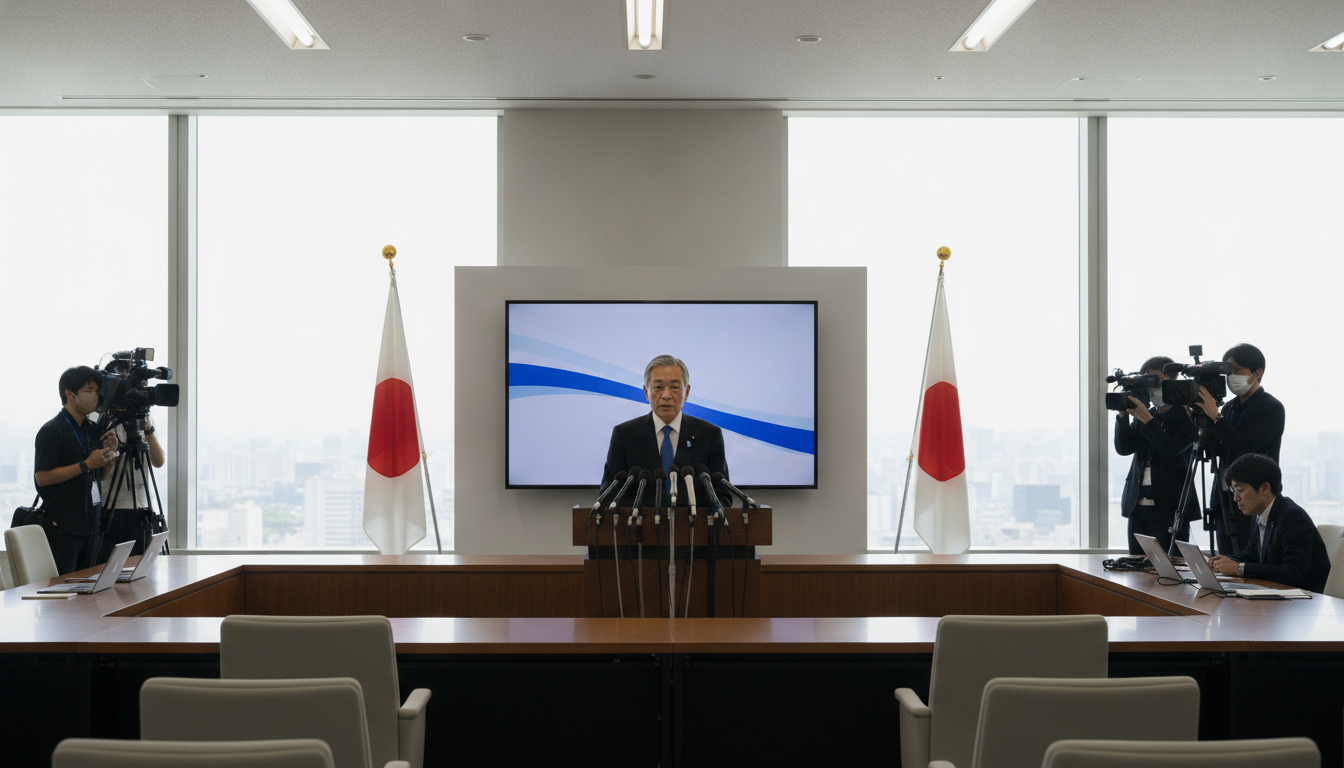
Bank of Japan Deputy Governor Shinichi Uchida will conduct the post-meeting news conference on June 16 after Governor Kazuo Ueda misses the upcoming policy board session, as markets expect the central bank to raise interest rates to levels not seen in three decades. The announcement places Uchida at the forefront of communications for a meeting widely viewed as pivotal for Japan’s monetary policy trajectory. Investors and analysts will look to his remarks for clarity on the timing, size and future path of any tightening. The briefing is likely to shape market expectations ahead of what many see as the next material step in ending years of ultra-loose policy.
Uchida to Lead Post-Policy Briefing on June 16
Bank of Japan Deputy Governor Shinichi Uchida will hold the scheduled press conference on June 16 in place of Governor Kazuo Ueda. The central bank confirmed the change in its public schedule, noting Uchida’s role in explaining the policy decisions after the policy board meeting. Uchida, a long-serving policymaker at the BOJ, will be expected to outline the board’s rationale and respond to media questions on outlook and implementation. His performance will be closely watched for any nuance that hints at the BOJ’s balance between fighting inflation and safeguarding growth.
Governor Kazuo Ueda Absence and Official Notice
The BOJ’s notification that Governor Ueda will miss the policy session left the bank’s formal communications team to designate Uchida for the post-meeting briefing. The central bank did not attach further detail to the schedule change in the notice accompanying the announcement. Officials have in past meetings emphasized the importance of continuity in messaging, particularly when policy shifts are large or unexpected. Markets will therefore parse Uchida’s language for both technical detail and tone, seeking confirmation of the board’s collective judgment.
Policy Meeting Widely Expected to Lift Rates to Three-Decade Highs
Market participants and economists have signaled an expectation that the June meeting will produce a significant tightening, potentially pushing borrowing costs to levels not seen since the early 1990s. That prospect reflects an extended period of above-target inflation and evolving wage dynamics that have reshaped policymakers’ assessments. Any move that raises policy rates substantially would mark a clear break from the BOJ’s long-standing stance of exceptionally loose monetary settings. Policymakers will face the challenge of calibrating increases so as to anchor inflation expectations while minimizing disruption to financial conditions.
Investor Watch: Bonds, Yen and Equity Sensitivity
Traders and institutional investors are watching government bond yields and the yen for immediate reactions to the policy decision and Uchida’s subsequent remarks. Higher policy rates typically feed through to longer-term yields and can influence currency valuation, with implications for exporters and importers alike. Equities may respond to the perceived trade-off between tighter financial conditions and stronger real income prospects for households. Market analysts will be assessing not only the magnitude of any rate move but also whether the BOJ signals a sustained tightening sequence or a one-off adjustment.
Economic Context Driving the Shift in BOJ Strategy
Japan’s inflation trajectory, labor market pressures and wage negotiations are central to the BOJ’s reassessment of policy. Authorities have cited ongoing upward pressure on prices alongside improving wage momentum as factors that could justify tighter monetary policy than previously signalled. The BOJ must weigh domestic price dynamics against external shocks and exchange-rate movements when setting policy. Any decision next week will therefore reflect a complex mix of domestic data, global financial conditions and the bank’s medium-term inflation outlook.
Potential Impacts on Households and the Financial Sector
A material increase in policy rates would affect borrowing costs for households and businesses, including mortgages, corporate loans and commercial credit. Financial institutions could see margins adjust, benefiting lenders but also testing borrowers with variable-rate exposures. Conversely, savers may experience modest relief as deposit yields gradually respond to higher benchmark rates. The BOJ and government policymakers will likely monitor these transmission effects closely, particularly in sectors sensitive to financing costs.
The June 16 post-meeting briefing conducted by Deputy Governor Uchida will therefore be watched not only for confirmation of a rate rise but also for signals about the BOJ’s forward guidance and contingency planning. Clear, precise communication will be critical as markets reprice expectations and economic actors adjust financial plans. The coming days are likely to feature heightened attention from global investors, domestic corporations and households seeking to understand how the central bank intends to navigate the next phase of Japan’s monetary-policy cycle.

