
Vietnam introduces mandatory health declaration for travelers from July 1 as arrivals surge
Vietnam health declaration to be required from July 1, adding paperwork at airports already strained by a surge in foreign arrivals and longer queues.
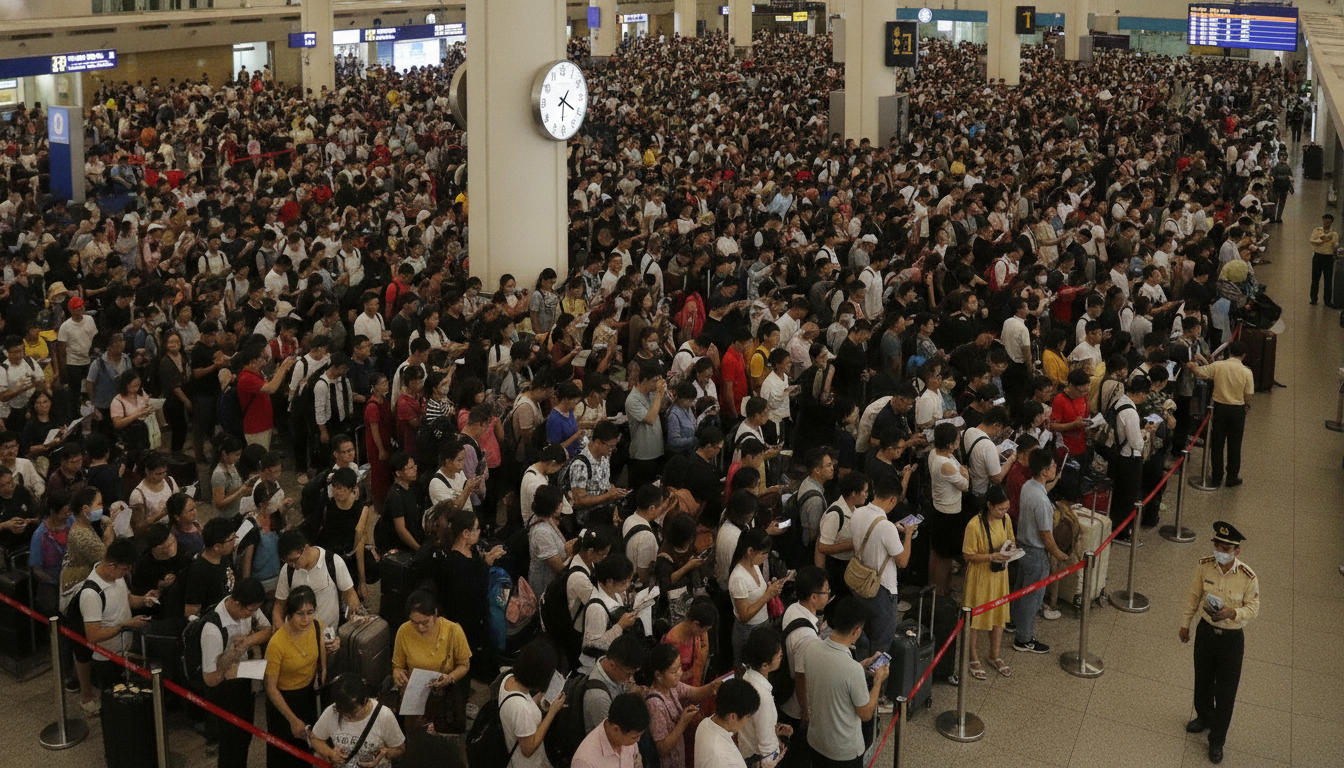
Vietnam will require incoming travelers to submit a health declaration from July 1, officials have said, a new entry form that arrives at a time when airports are already grappling with long queues and rising passenger numbers. The Vietnam health declaration is expected to add another administrative step for visitors just as the country approaches record levels of inbound tourism. Industry sources warn that the additional paperwork could exacerbate delays at international terminals and complicate recovery plans for the travel sector.
New health declaration requirement to start July 1
The government announced that the health declaration will become mandatory for all arrivals beginning July 1, aiming to formalize health information collection at points of entry. The requirement adds to existing arrival procedures and will be implemented across major international airports and island terminals where foreign arrivals have surged.
Officials framed the move as part of routine border health measures, but airport operators and carriers are preparing to manage an increase in processing times. Airlines and travel agents are already advising passengers to complete documentation in advance where possible to reduce bottlenecks on arrival.
Airports face capacity crunch as arrivals climb
Vietnamese airports have reported sustained passenger growth in recent months, stretching immigration counters, baggage systems, and ground services. Long queues have been observed at peak times, particularly at hubs serving both international and domestic transfers.
The new paperwork requirement is likely to increase the time each traveler spends at arrival checkpoints, heightening pressure on staffing and space. Some airports are exploring fast-track lanes and digital submission options to minimize disruption, but scaling capacity before July 1 poses logistical challenges.
Shifts in visitor profiles: Russians and Chinese drive growth
Tourism patterns have evolved since the start of the Ukraine conflict, with tighter visa access to Europe prompting some Russian travelers to reroute to Southeast Asia. Destinations such as Phu Quoc have seen a notable uptick in Russian arrivals, supported by an increase in direct flights and resort capacity.
Chinese travelers have also returned in larger numbers following pandemic-era restrictions, contributing to the overall surge in foreign arrivals. The combined influx from these markets has been a key factor behind the rapid recovery of Vietnam’s tourism sector, particularly on popular islands and coastal destinations.
Operators and officials outline mitigation measures
Airlines, tour operators, and airport authorities say they are coordinating to reduce delays linked to the health declaration. Proposed measures include pre-arrival online forms, expanded staffing at peak hours, and clearer signage to guide arriving passengers through new procedures.
Some travel industry groups have urged authorities to allow electronic pre-clearance or mobile submissions to prevent queues from worsening. Meanwhile, local governments in high-traffic destinations are assessing whether additional temporary processing facilities or staff deployments are needed to handle surges.
Economic impact on tourism recovery and hospitality
Vietnam’s tourism industry has been on a recovery trajectory, with hotel occupancy and airline seat capacity climbing toward pre-pandemic levels. The health declaration requirement arrives at a pivotal moment and could influence visitor experience and reviews if not managed smoothly.
Hoteliers and transport providers are weighing the trade-off between public health measures and operational efficiency. While the paperwork aims to support health monitoring, industry stakeholders emphasize that execution will determine whether the rule undermines or supports broader tourism gains.
Visitor guidance and preparation ahead of July 1
Travelers planning trips to Vietnam are being advised to check entry requirements with their airlines and travel agents in advance of departure. Completing any available health documentation online prior to arrival could reduce processing time at airports and minimize exposure to crowded counters.
Passengers are also encouraged to allow extra time for connections and arrivals during the initial weeks of the new rule, as staff adapt to updated procedures and passenger flows stabilize. Clear communication from carriers and authorities will be critical to helping visitors navigate the change without disruption.
Vietnam’s move to require health declarations reflects broader international trends of post-pandemic border management, but it arrives amid a tourism boom that has already tested the country’s arrival infrastructure. How authorities and industry balance health safeguards with efficient passenger processing will shape visitor experience and the pace of recovery in the months after July 1.

