
China Export Controls Expand: Beijing Adds Japanese Firms to Dual‑Use Export Ban
China expands export controls on June 29, 2026, adding 20 Japanese entities to a dual-use export ban and tightening rules on 20 more, including rare earths.
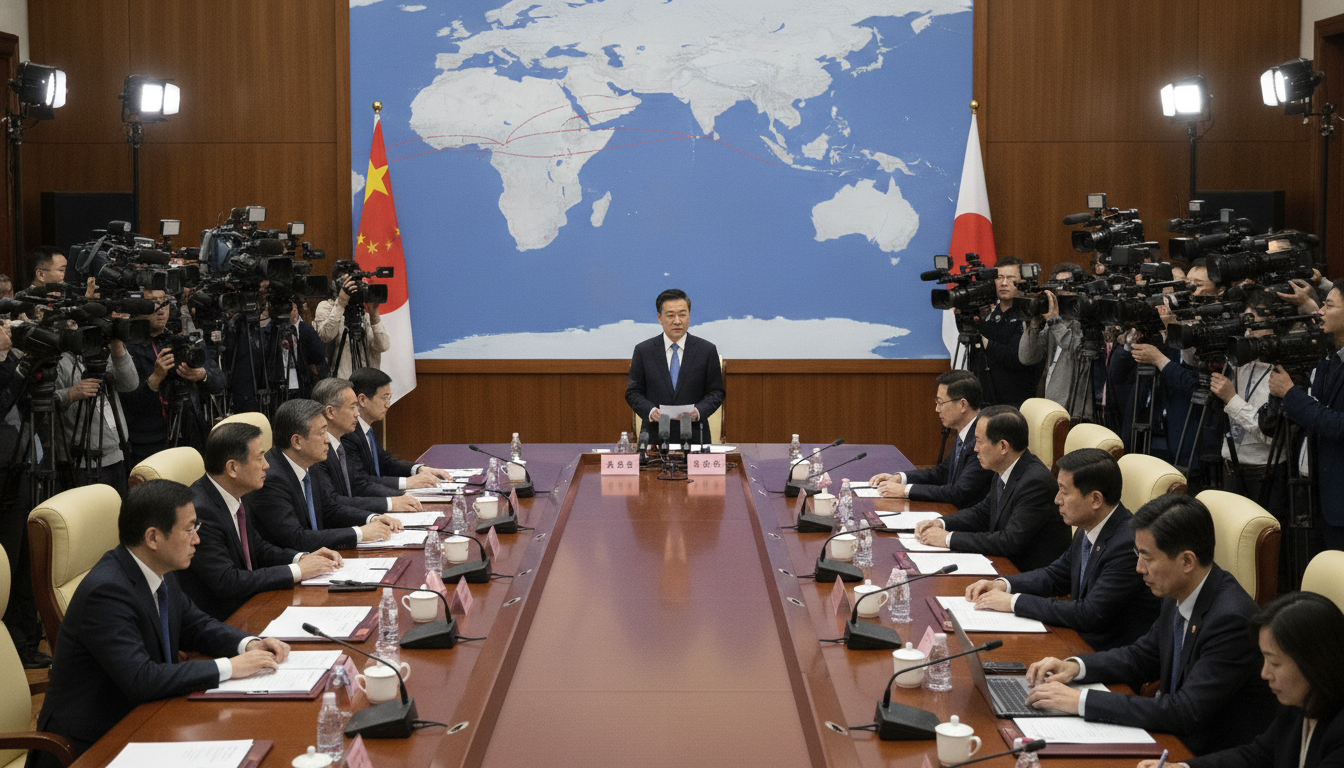
Japan-China trade relations were sharply affected on June 29, 2026, after China’s Ministry of Commerce announced it had added 20 Japanese organizations and companies to an export-control list. The ministry said the newly listed entities are “involved in the enhancement of Japan’s military capabilities,” prompting a ban on exports of dual-use items from China. The announcement also said another 20 Japanese firms would face stricter export controls because their final end-use could not be confirmed.
Beijing’s June 29 announcement
The Ministry of Commerce issued the measures on June 29, 2026, framing them as national security safeguards and controls over technologies with both civilian and military applications. The ministry imposed a full ban on certain dual-use goods to the newly listed 20 entities and enhanced vetting requirements for the additional set of 20 firms. Chinese officials described the step as necessary to prevent the diversion of sensitive goods to military end-users.
The package of measures follows a pattern of selective trade restrictions and targeted regulatory listings that have appeared in Beijing’s recent trade policy toolkit. Ministry statements emphasized compliance with Chinese export control law while noting the measures would be adapted as situations evolve.
Twenty Japanese entities placed on export-control blacklist
The June announcement specified 20 Japanese organizations and companies newly added to the export-control list and subject to an outright prohibition on designated dual-use shipments. For another group of 20 Japanese companies, the ministry said export licenses will be scrutinized more strictly or denied if intended uses remain unclear. The ministry’s move does not name every company publicly in the brief notice, but it signals a broadening of targets beyond previous rounds of listings.
Officials did not publicly detail each controlled item but indicated the scope covers technologies and materials that could directly or indirectly support military capabilities. The result is an immediate need for affected Japanese firms to reassess supply chains and seek clarifications from Chinese authorities on licensing and compliance.
Regulated items include rare earths and advanced dual‑use technologies
China’s public guidance on controlled dual-use items lists a range of materials and technologies, and it explicitly includes rare earth elements among regulated categories. Rare earths are critical for high-performance magnets, electronics and defense systems, making them strategically sensitive. Restrictions on those materials can ripple through sectors such as automotive, electronics, and aerospace where Japanese manufacturers are major global suppliers and users.
Beyond raw materials, the controls are expected to cover components, software and precision equipment that can be repurposed for military use. Companies that rely on cross-border procurement will need to map dependencies and explore alternative suppliers or stockpile options where feasible.
Earlier February measures signalled escalation
This June action follows a prior round of measures taken in February 2026, when China added a separate set of 20 Japanese firms to its export-control list and strengthened controls on dual-use exports. That earlier step already prompted heightened concern in Tokyo and among multinational corporations operating in Japan and China. The June measures mark a further escalation in the sequence of regulatory pressure.
Observers note the repeat listings within months suggest a sustained strategic approach rather than an isolated response to a single incident. The pattern complicates business planning and raises the prospect of reciprocal policy responses or legal challenges in international fora.
Potential trade and industrial impact on Japan and supply chains
Industries in Japan that depend on Chinese materials and intermediate goods are likely to feel the immediate effects, particularly sectors reliant on rare-earth alloys and specialized electronics components. Export bans and tighter licensing requirements can cause production delays, higher costs and the need to reroute procurement through third countries. Small and medium-sized suppliers are especially vulnerable given limited resources to qualify alternative sources quickly.
Japanese corporations and government agencies will likely re-evaluate inventories and accelerate diversification strategies, including sourcing from Australia, the United States, Southeast Asia or recycling initiatives. International customers and partners will closely monitor whether disruptions affect lead times for critical products and export-dependent manufacturing chains.
Diplomatic and enforcement implications for Tokyo and Beijing
The measures add a diplomatic layer to already complex Japan-China relations, touching on security, trade and technology policy simultaneously. Tokyo may lodge formal diplomatic protests or seek clarification through bilateral channels, while Japanese exporters will pursue licensing guidance to avoid unintended violations. Legal avenues such as World Trade Organization procedures could be explored if measures are perceived as discriminatory, though such processes are lengthy.
Enforcement will rest on China’s customs and licensing authorities, which can implement denials, heightened inspections and documentation demands. Firms on both sides will need robust compliance systems and legal counsel to navigate the evolving regulatory environment.
China’s decision to single out specific Japanese firms and to expand controls again in June follows a trajectory that companies and governments will watch closely. The implications extend beyond immediate trade flows to strategic competition over advanced technologies and critical materials.
Market participants, regulators and affected companies will monitor follow-up announcements for details on the named entities, the full list of controlled items, and any procedures for delisting or applying for licenses. Clarifications from the Ministry of Commerce and consultations between industry and government in Tokyo will shape next steps in managing supply-chain risk and diplomatic fallout.

