
Taiwanese Investment in Japanese Real Estate Climbs as Buyers Target Tokyo Waterfront
Taiwanese investment in Japanese real estate rises as buyers target Tokyo waterfront condos, hedging geopolitical risk and capitalizing on a weak yen.
A growing number of Taiwanese buyers are snapping up condominiums and investment units in Tokyo, part of a broader increase in Taiwanese investment in Japanese real estate. Realtors in Tokyo’s waterfront neighbourhoods report stronger demand from Taiwan-based purchasers who cite geopolitical uncertainty at home and favorable currency moves as key incentives. Local agents say the trend is reshaping bidding dynamics and prompting landlords and developers to reassess marketing strategies for foreign buyers.
Surge in Taipei buyers targeting Tokyo condos
Real estate agents in Japan describe a steady uptick in inquiries and purchases from Taiwanese individuals and small investment groups over the past year. Transactions range from single-unit purchases to portfolio acquisitions of apartments aimed at short-term rentals or longer-term capital appreciation.
Industry participants attribute part of the rush to a post-pandemic normalization of cross-border buying and a renewed appetite among Taiwanese investors for stable property in major global cities. Many investors choose Tokyo for perceived legal stability and established property management infrastructure.
Geopolitics and the weak yen drive demand
Buyers frequently describe the purchases as a hedge against regional political tensions, citing Taiwan’s fraught relations with mainland China as a driver of diversification. Property in Japan is viewed by some as a geographically and politically safer asset compared with assets held domestically.
At the same time, a relatively weak yen has lowered the effective entry price for overseas buyers, increasing purchasing power for investors converting New Taiwan dollars into yen. Brokers say that exchange-rate gains combined with lower borrowing costs in some cases have accelerated decision-making among Taiwanese clients.
Concentration in Tennozu and other waterfront districts
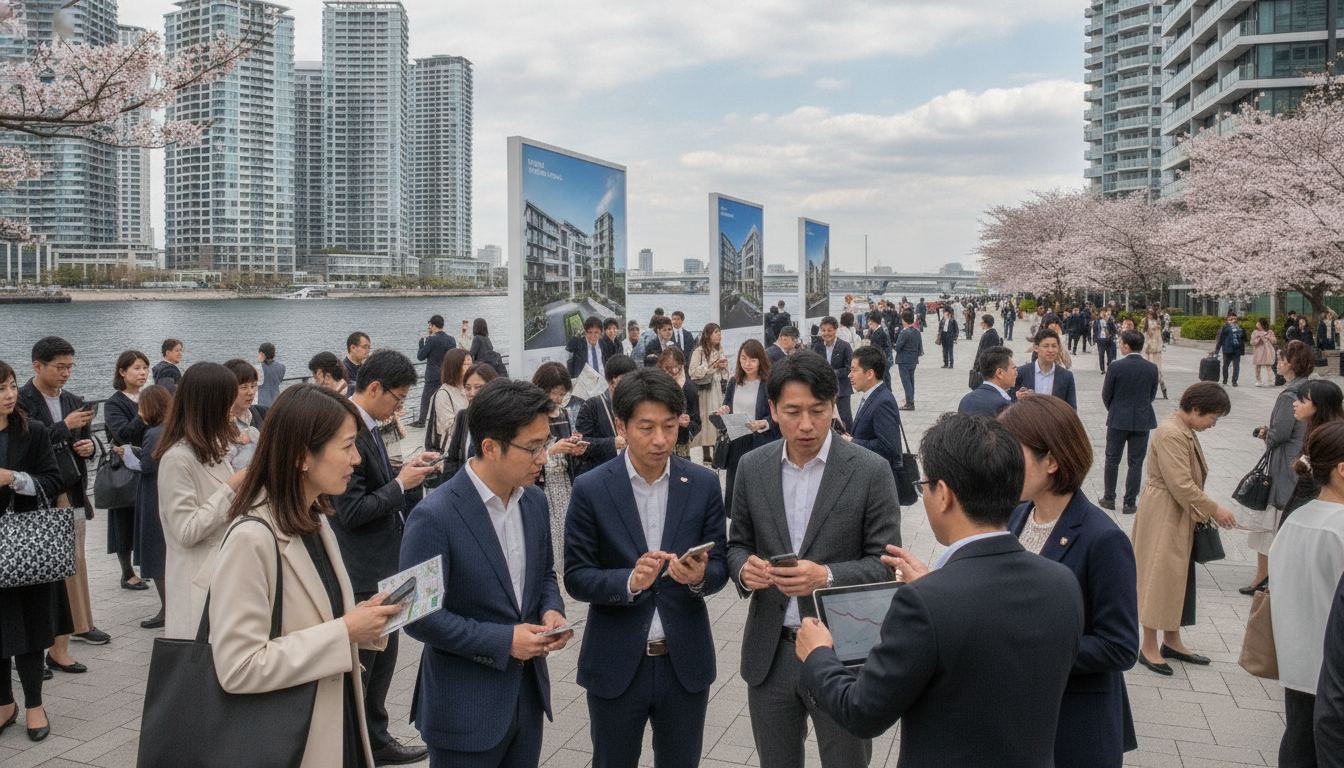
Tokyo’s waterfront districts, including Tennozu and nearby bayside developments, have been particular targets because they offer new-build condo stock, good transport links, and proximity to international business hubs. Realtors note a pattern of buyer visits focused on modern high-rise developments and mixed-use complexes.
One Taiwanese realtor based in Japan, Lin Kakei, said demand for properties in Tennozu has been especially pronounced among buyers seeking turnkey investments. Agents report that units with panoramic views and easy access to transit consistently outbid comparable options elsewhere in the city.
Financing, taxes and legal hurdles for foreign buyers
Despite strong interest, foreign buyers face financing and tax considerations that shape which properties they pursue. Domestic mortgage programs are available to non-residents in some cases, but lenders often require larger down payments and stricter documentation than for local buyers.
Taxation and management costs are another constraint, particularly for investors looking to rent units short term. Legal advisors and tax specialists recommend careful structuring of purchases, noting that ownership through Japanese entities or trusts can affect tax liabilities and inheritance planning.
Impact on local market and landlord strategies
The influx of Taiwanese capital is influencing asking prices and rental expectations in targeted neighbourhoods, according to property managers. Landlords in waterfront areas are adjusting lease terms and improving unit amenities to attract longer-term tenants and higher-quality occupants.
Some developers have begun tailoring marketing materials and sales presentations to international buyers, including multilingual brochures and after-sales services. Local real estate groups also report an uptick in foreign-oriented open houses and private viewings scheduled to accommodate overseas schedules.
Analysts weigh sustainability and downside risks
Market analysts caution that while demand from Taiwan has tangible effects today, sustainability depends on macroeconomic shifts and policy responses. A sustained appreciation of the yen, tighter lending standards, or changes to cross-border tax rules could dampen appetite quickly.
Analysts also point to the possibility of inventory adjustments as developers respond by releasing more units targeted at international buyers. That could ease competition and moderate price rises if supply catches up with current demand.
Foreign interest in Japan’s property market is adding a new layer to urban dynamics in Tokyo’s busiest districts. Policymakers and market participants will be monitoring whether the current wave of purchases from Taiwan translates into a long-term presence or remains a cyclical response to short-term economic and political conditions.

