
State-directed takeover of Wuhan Z‑Bank underscores strains in China’s regional banking sector
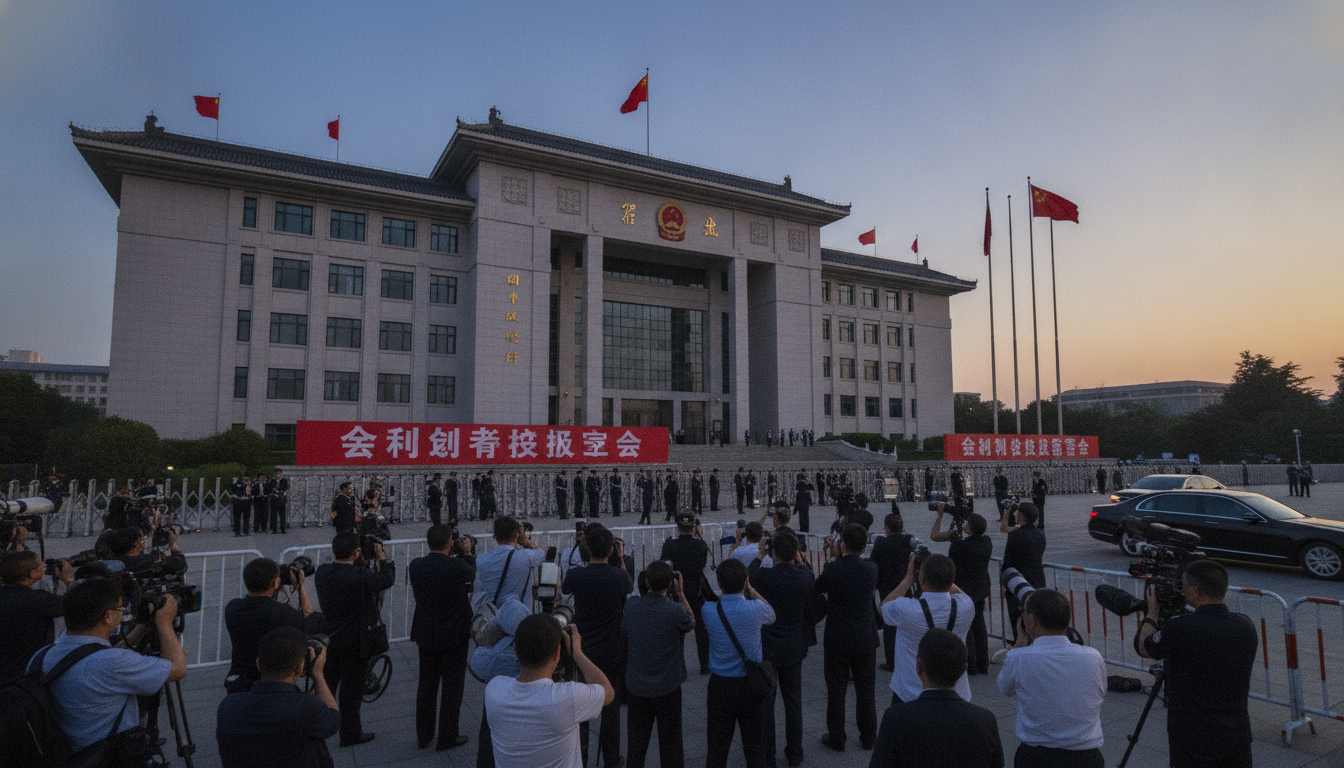
State-directed takeover of Wuhan Z‑Bank on July 3, 2026 by China’s financial regulator highlights pressure on small private lenders while officials promise depositor protection.
A state-directed takeover announced on July 3, 2026 placed Wuhan Zhongbang Bank — commonly known as Z‑Bank — under a government-led management team, a move that regulators said was necessary to contain “severe credit risk” and protect broader financial stability. The National Financial Regulatory Administration (NFRA) and Hubei provincial authorities said the intervention will last one year and that customer-facing operations will continue without interruption. (s.unifuncs.com)
Takeover announced in Hubei
The NFRA and the Hubei provincial government jointly declared the takeover on July 3, 2026, citing legal authority under China’s banking supervision laws to act when a lender’s credit risk threatens depositors and local markets. The takeover team includes Hubei’s local financial authority, the Wuhan municipal government, the NFRA’s Hubei bureau, the People’s Bank of China’s Hubei branch and the deposit insurance fund manager. (s.unifuncs.com)
Authorities said the bank’s shareholders’ meeting, board of directors and supervisory board would cease exercising governance functions and that the appointed team would assume management authority for the period specified. Regulators framed the measure as a targeted, temporary intervention aimed at orderly risk resolution rather than an immediate liquidation. (caixinglobal.com)
Operational continuity and depositor safeguards
Regulators emphasized that retail customers should expect routine services to remain available and that personal deposits will be fully protected under the arrangements announced. The intervention also set out differentiated treatments for corporate and interbank claims in order to preserve market discipline while shielding small depositors. These protections were presented as central to limiting contagion and maintaining public confidence. (caixinglobal.com)
The takeover plan names a local state-backed bank as the vehicle to absorb assets, liabilities, staff and business lines where necessary, a common supervisory tool Beijing has used to stabilise fragile regional lenders while minimising systemic spillovers. Officials stressed that continuity of payments, deposits and basic credit access would be priorities during the management period. (caixinglobal.com)
Regulatory leadership and recent policy signals
The intervention comes amid a concerted regulatory drive to tighten supervision of small and medium-sized financial institutions. NFRA Director Ding Xiangqun, who addressed the Lujiazui Forum on June 17, 2026, reiterated the regulator’s focus on preventing and defusing risks and closing regulatory gaps, particularly in regional banks and shadow banking channels. Her comments had signalled an intensification of oversight that framed the Z‑Bank action as consistent with broader policy priorities. (english.news.cn)
Ding and other senior officials have called for stronger lifecycle supervision and measures to curb disorderly competition, framing interventions as part of a strategy to guide finance back to core banking functions while protecting the real economy. The timing of the takeover underlines the regulator’s willingness to move decisively when local risks crystallise. (english.news.cn)
Z‑Bank’s profile and warning signs
Z‑Bank was established in 2017 as one of China’s private banks and the first privately funded commercial bank in Hubei province. In recent months it had delayed disclosure of its 2025 annual report and faced concentrated ownership ties to several local conglomerates that have themselves been under financial strain. Observers pointed to shareholder equity freezes, related‑party lending and narrowing capital buffers as red flags prompting scrutiny. (app.dealroom.co)
Public filings and market reports indicated that Z‑Bank’s balance sheet had grown rapidly in earlier years while capital adequacy measures were approaching regulatory thresholds, leaving limited room to absorb shocks tied to concentrated exposures. Regulators signalled that the takeover would aim to isolate those exposures and prevent contagion to other local lenders and markets. (app.dealroom.co)
Market and policy implications for regional banks
Analysts say the takeover is likely to accelerate regulatory scrutiny of private and midsized banks, including closer review of shareholder qualification, stricter disclosure requirements and more frequent stress testing. The action also reinforces a pattern in which Beijing prioritises orderly resolution and depositor protection over preserving share value for troubled private owners. (imf.org)
For domestic and international investors, the episode underscores the difference between headline profitability and hidden balance‑sheet vulnerabilities in smaller lenders. It also increases the likelihood of targeted supervisory measures — including possible recapitalisation channels, deposit insurance interventions and consolidated restructurings — as authorities seek to limit the fiscal and systemic footprint of future resolutions. (imf.org)
The Z‑Bank takeover marks a clear signal from Chinese regulators: they are prepared to intervene directly and decisively in regional credit institutions to prevent localized failures from becoming broader financial stress. While retail depositors have been reassured, the episode highlights continuing fragilities in the mid‑tier banking sector and the regulatory challenge of balancing stability, market discipline and long‑term reform.
Regulatory and market watchers will be studying the implementation timetable, the terms under which assets and liabilities are transferred to the named acquirer, and any follow‑on actions to shore up remaining regional vulnerabilities. The coming weeks will be pivotal in determining whether the intervention can stabilise confidence without requiring broader policy accommodation.

